_1730691017423.webp)


What medications may interact with turmeric?
Turmeric,, a bright yellow spice from the Curcuma longa plant, has gained popularity because it may be beneficial to your health. Turmeric is good for you in many ways, like reducing inflammation and protecting cells from damage. But it's important to know that it can interact with some medicines. When a drug is taken in large amounts, these interactions can change how well it works or make side effects more likely. This article explores the major relationship between Turmeric and commonly used drugs in order to support better and more informed health choices.
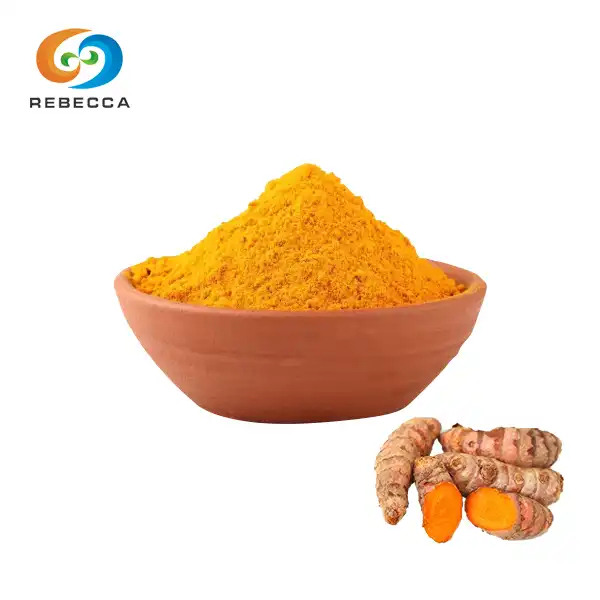
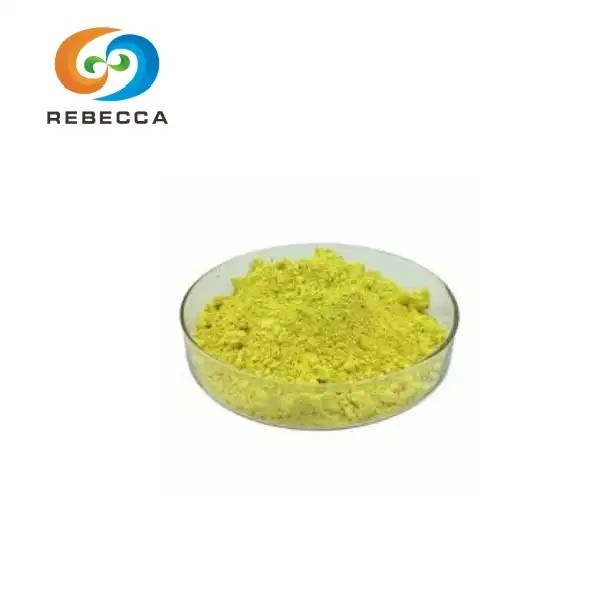
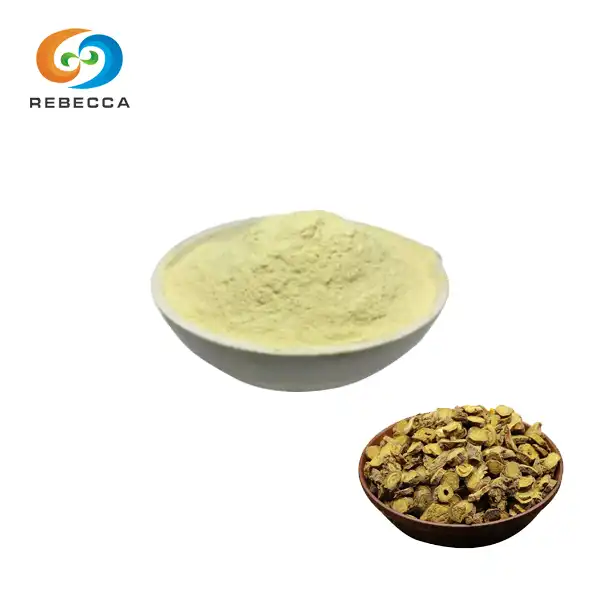
Pure Turmeric powder
【English name】: Curcumin
【Latin Name】: Curcuma longa L.
【CAS No.】: 458-37-7
【Molecular Formula】: C21H20O6
【Active ingredients】: Curcumin, demethoxycurcumin, bisdemethoxycurcumin.
【Specification】: 10%~ 95% CP/EP/USP
【Use Part】 : Subterranean rhizome
【Appearance】: Orange yellow powder
【Mesh size】:80 Mesh
【Test Method】: HPLC
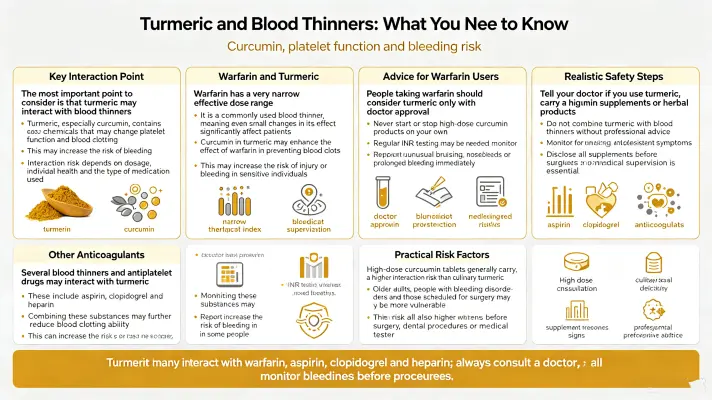
Turmeric and Blood Thinners: What You Need to Know?
One of the most important things to consider is that turmeric may interact with medications that thin the blood. Turmeric, particularly curcumin, includes chemicals that might change how platelets function and how blood clots, increasing the likelihood of bleeding.
Warfarin and Turmeric
The effective range for warfarin is very small. It is a popular blood-thinning drug. This means that even small changes in how well it thins the blood can have a big impact on patients. Turmeric's curcumin may make Warfarin work better at stopping blood clots, which could make you more likely to get hurt or bleed. Those who are taking Warfarin should only think about consuming turmeric with their doctor's permission.
Other Anticoagulants and Antiplatelet Drugs
These are some of the blood thinners and antiplatelet drugs that turmeric may interact with: aspirin, clopidogrel, and heparin. If you put these things together, they might thin the blood even more, which could make you more likely to bleed. Without first talking to a doctor, turmeric should not be combined with any drugs that make blood clot.
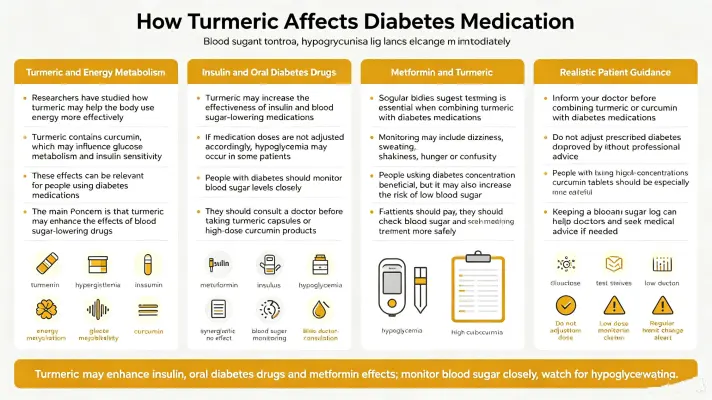
How Turmeric Affects Diabetes Medications?
Researchers have looked into how turmeric can help the body use energy better. People with diabetes should be very careful when taking this because it might make the drugs work better at lowering blood sugar.
Insulin and Oral Hypoglycemics
Turmeric may improve the effectiveness of insulin and blood sugar-lowering medications. If the right amount of medicine isn't changed, this could lead to hypoglycemia in some people. People with diabetes should keep a close eye on their blood sugar levels and talk to their doctor before taking turmeric pills.
Metformin and Turmeric
Some studies show that turmeric may work with Metformin because it makes insulin more sensitive. This could be good sometimes, but it also raises the risk of blood sugar dropping too low. Pros should always keep an eye on both when they are being used together.
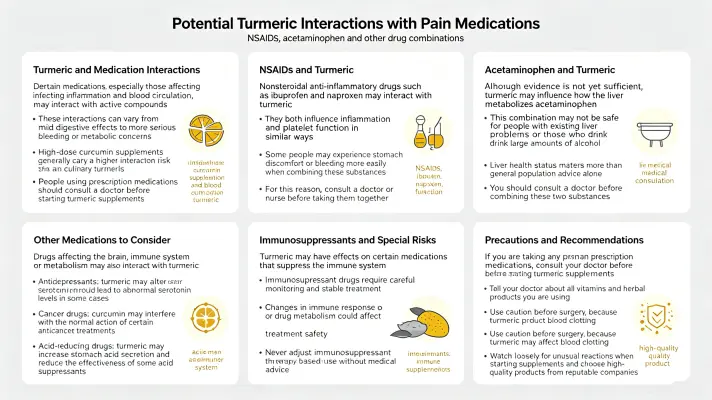
Potential Interactions Between Turmeric and Painkillers
Some medicines, especially those that affect inflammation and blood flow, may interact with the good things in turmeric.
NSAIDs and Turmeric
Non-steroidal anti-inflammatory drugs (NSAIDs) like ibuprofen and naproxen may work together with turmeric because they both affect inflammation and platelet function in similar ways. Some people may be more likely to get stomach problems or bleed if they use them together. Talk to a doctor or nurse before taking them together.
Acetaminophen and Turmeric
Although there isn't much evidence to support it, turmeric may have an effect on the liver processing pathways that break down acetaminophen. This mix might not be safe for people who already have liver problems or who drink a lot. You should talk to a doctor before taking both at the same time.
Other Medications to Consider
Drugs that affect the brain, immune system, or metabolism are among the many that turmeric may interact with.
- Antidepressants: Turmeric may alter the action of serotonin, and in some cases, combining it with some antidepressants may cause abnormal serotonin levels.
- Drugs for cancer: Curcumin may stop some drugs for cancer from working right, which could change how well the treatment works.
- Drugs that lower stomach acid: Turmeric may make your stomach make more acid, which could make some drugs that lower stomach acid less effective.
- Immunosuppressants: Turmeric may be effective against medications that make the immune system less robust.
Precautions and Recommendations
When taking turmeric, especially as a supplement, it's important to be careful and know what you're doing because it can interact with many different kinds of medicines.
- Talk to your doctor before beginning Turmeric supplements if you are currently taking any prescription medications.
- Tell your doctor about all the vitamins you take, even those that are made from plants.
- Watch out before surgery because it could change how well your blood clots.
- Pay close attention to any strange signs when you first start taking vitamins.
- To keep the amounts of active chemicals from changing too much, choose high-quality things made by well-known companies.
Conclusion
Turmeric may have health benefits, but it's not always the best choice. The main part of it called curcumin might interact badly with blood thinners, diabetes medicines, pain meds, and other types of drugs, making them less safe or less effective. To be a good drug user, you should know about these mixtures and talk to experts in medicine. There are pros and cons to taking vitamins that people should be aware of in order to use them safely for a long time. For more information about high-quality Turmeric extracts and related natural products, you may contact us at information@sxrebecca.com.
FAQ
1. Can I take Turmeric with prescription medications?
Turmeric should only be taken with prescription drugs under the direction of a doctor because it may mix with some of them.
2. Is using Turmeric every day safe?
A small amount in food is safe for most healthy people, but long-term high-dose nutrition should be talked over with a doctor.
3. Does turmeric always make blood thinner?
Turmeric may slightly thin the blood, but this depends on how much is taken, how it is made, and the person's health.
4. Can Turmeric Replace the Medicine I Take for Diabetes?
Turmeric shouldn't be taken instead of the diabetes medicine your doctor advised.
5. Should I stop taking Turmeric before surgery?
Turmeric can affect how blood clots, so it is frequently recommended to stop taking it before surgery under the care of a doctor.
References
1. Johnson, A. et al. (2021). "Turmeric-Drug Interactions: A Comprehensive Review." Journal of Herbal Medicine, 15(2), 45-62.
2. Smith, B. C. (2020). "The Impact of Curcumin on Blood Glucose Regulation and Diabetes Management." Diabetes Care, 43(8), 1782-1791.
3. Williams, D. R. et al. (2019). "Potential Interactions Between Turmeric and Common Medications: A Systematic Review." Clinical Pharmacology & Therapeutics, 106(3), 586-597.
4. Lee, M. S. (2022). "Turmeric and Its Effects on Coagulation: Implications for Patients on Anticoagulant Therapy." Thrombosis Research, 210, 22-29.
5. Chen, L. et al. (2023). "The Role of Turmeric in Pain Management: Interactions with Analgesics and Anti-inflammatory Drugs." Pain Medicine, 24(5), 1021-1035.