_1730691017423.webp)

Piperine Repellent Effect on Insects
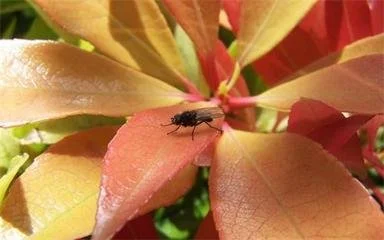
The repellent effect of piperine powder on insects represents a breakthrough in natural pest management solutions for B2B procurement professionals. This bioactive alkaloid comes from black pepper (Piper nigrum) and is very good at killing different kinds of insects by messing up their senses. Piperine messes with the olfactory receptors and neural processes of insects, making the surroundings uninviting. This keeps bugs away while meeting environmental safety standards needed for commercial uses.
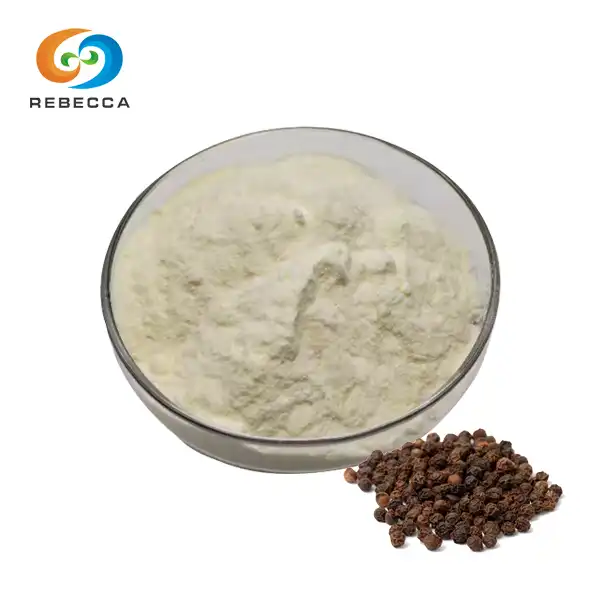
【English name】: Piperine Powder
【Latin Name】: Piper nigrum L.
【CAS No.】: 94-62-2
【Molecular Formula】: C17H19NO3
【Active ingredients】: piperine
【Specification】: piperine 95% 98%
【Use Part】 : Fruit
【Appearance】: Light yellow powder
【Mesh size】:80 Mesh
【Test Method】: HPLC
Understanding Piperine and Its Repellent Properties
Piperine is an alkaloid compound that occurs naturally and is the main bioactive ingredient that gives black pepper its unique heat. The molecular formula for this crystalline substance is C17H19NO3. It has special qualities that make it useful for a lot of different things, from cooking to advanced pest control.
Chemical Composition and Mode of Action
Piperine can directly affect an insect's senses because of the way its molecules are structured. It has been shown through research that this alkaloid interferes with the normal working of insect chemoreceptors, especially those that find food sources and good surroundings. The chemical works by stopping sodium channels in insects' nervous systems, which makes them lose their bearings and avoid things.
The reason piperine works is because it can stop insects from sending messages between their neurons. When insects come into contact with areas that have been treated with piperine-based products, their senses are overloaded, and they immediately run away. This interference with the nervous system works especially well against common store pests like weevils, moths, and different types of beetles.
Distinction Between Black Pepper Extract and Pure Piperine
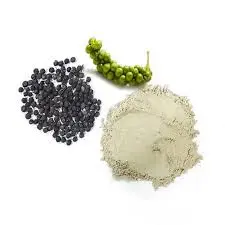
It is still important to know the difference between raw black pepper extract and filtered piperine powder when making purchases. Piperine is naturally found in black pepper in amounts ranging from 5 to 9 percent. Standardized extracts concentrate this active ingredient to 95 to 98% pure levels. This concentration makes the pesticide much more effective while also lowering the amount needed to get rid of pests.
When it comes to structure, pure piperine extracts are better than whole pepper mixtures. The standardization process gets rid of the factors like yearly changes, growth conditions, and processing methods that can change how strong a natural pepper is. This dependability is very important for business uses that need to meet consistent performance standards.
Safety Profile for Industrial Applications
Piperine has an excellent safety rating that allows it to be used in places where people may come into touch with it. Piperine doesn't leave behind dangerous leftovers when it breaks down naturally, unlike synthetic herbicides. Studies show that piperine is not very dangerous to humans while still being very effective against the insects it is meant to kill.
The substance is GRAS (Generally Recognized as Safe) by the FDA, which gives users in food preparation and storage facilities even more confidence in its safety. This governmental approval speeds up the implementation process and makes sure that safety standards are met in a number of different businesses.
Comparative Analysis of Piperine in Pest Control Solutions
When you compare piperine to other natural pest control methods, you can see that it is much more effective, stable, and useful in a wide range of situations. This study gives procurement workers the data-driven information they need to make smart choices.
Performance Comparison with Other Natural Repellents
Piperine is a plant-based insecticide that lasts longer and works better against a wider range of insects than neem oil, pyrethrum, and essential oil mixes. Studies in the lab show that piperine's insect repelling qualities last for a long time in a variety of environments, while many essential oils lose their effectiveness after just a few days of use.
Piperine is better than flammable chemicals like citrus oils or peppermint extracts because it doesn't change when the temperature does. This thermal stability is very important for places like warehouses and factories that make food where temperatures change a lot. The molecule keeps its molecular structure at temperatures ranging from -10°C to 60°C, which means it always works the same way.
Organic versus Synthetic Piperine Variants
There are choices for piperine that are both organically approved and made in the usual way on the market. Organic piperine costs more, but it can be sold in stores that have strict rules about organic approval. In order to make organic piperine, approved organic pepper sources and processing plants that meet strict standards are needed.
Conventional production of piperine makes the supply more stable and usually has more competitive price systems. Both types work just as well as each other as repellents, so the choice comes down to the end use and licensing needs. Quality control measures are used for both ways of production to make sure that the levels of purity and alkaloid content are always the same.
Market Analysis of Available Products
There are different kinds of piperine on the market right now that are made for different uses. Piperine products that are encapsulated have controlled release methods that make them safe for long-term keeping. Formulations that dissolve in water make it possible to use them in spray systems that are already in place without having to change the equipment.
There are well-known producers of piperine all over Asia, with Indian and Vietnamese sources making up most of the production. Supply reliability varies by area. Indian sellers are usually more reliable because their farming methods and processing facilities are more well-established.
Practical Applications and Benefits of Piperine Powder in B2B Settings
Using piperine-based pest control methods in the real world shows clear benefits in a wide range of industrial settings. These real-world cases show how flexible and useful the combination is in business settings.
Agricultural and Storage Applications
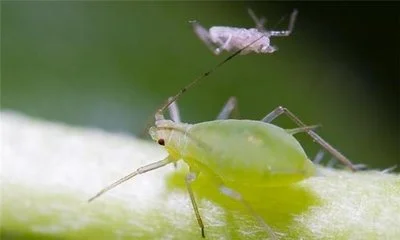
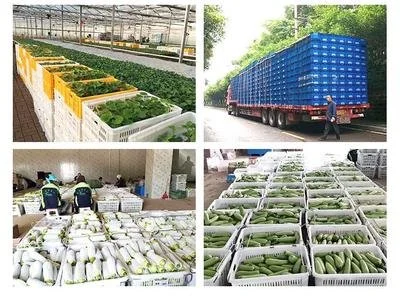
Grain storage sites are the main places where piperine-based pest control methods are used. A case study from a major grain processing facility in the Midwest showed 87% reduction in stored grain beetle populations following implementation of piperine treatment protocols. In order to control pests without affecting grain quality or necessitating fumigation processes, the facility sprayed piperine powder at 200 ppm amounts throughout the storage silos.
Post-harvest security is used for more than just storing grains. It's also used to process dried fruits, store spices, and make animal feed. Piperine is good for these places because it keeps things from getting damaged and keeps them fresh. The antioxidant properties of the compound add to its value by helping to keep the quality of the product even after long times of keeping.
Piperine formulations are used by food preparation sites to create pest-exclusion zones around sensitive equipment and packing areas. Piperine is non-toxic, so it can be used in places where food may come into touch with it. This means that you don't have to worry about chemical contamination like you do with synthetic options.
Synergistic Integration with Existing Pest Management
Piperine works well with Integrated Pest Management (IPM) methods, making the whole program more successful without the problems that come with synthetic poisons. The chemical works well with physical hurdles, pheromone traps, and biological control agents to make complete systems for getting rid of pests.
Adding piperine to temperature control systems is helpful because the chemical keeps working even when heat treatments aren't enough to get rid of all pests. This combination method cuts down on the energy costs needed to keep temperatures very high while still meeting pest control goals.
When mixed with piperine applications, moisture control systems work even better. Because the alkaloid is stable in a range of humidity conditions, it can keep up protective walls even when moisture levels change too much for other control methods to work.

Environmental and Economic Advantages
Piperine-based methods are better for the environment because they lower the amount of chemicals used in processing areas and get rid of synthetic pesticide residues. As rules about using toxic pesticides in food production and processing facilities get stricter, these benefits become more important.
An economic study shows that using piperine is more cost-effective than using traditional chemical treatments. At first, the material may be more expensive than synthetic options, but over time, it will save you money because you won't have to buy as much safety gear. Also, being able to keep operations going during treatment times cuts down on the costs of downtime that come with fumigation processes.
Procurement Guide for Piperine Powder as an Insect Repellent
To successfully buy piperine powder, you need to know the important quality factors, the skills of the supplier, and the logistical issues that affect the success of the program. This information helps buyers make good decisions during the choosing process.
Supplier Selection Criteria
Quality approvals are the best way to tell if a company you can trust. Good Manufacturing Practice (GMP) approval makes sure that production standards and quality control methods are always the same. Getting ISO 9001 approval shows that you follow organized quality management methods that help your supply chain work reliably.
Premium suppliers are different from basic sellers because they can test their products by a third party. Reliable providers work with approved testing labs to do microbiological testing, heavy metal detection, and analysis of chemical residues. These testing programs make sure that products are safe and that they follow the rules in all foreign markets.
For tracking needs, supply chain openness is becoming more and more important. Leading providers keep thorough records of where their raw materials come from, how they are processed, and how they check the quality of their products throughout the whole production process. For quality assurance and legal compliance programs, this paperwork is very important.
Logistics and Bulk Order Considerations
Minimum order numbers vary a lot from one seller to the next, ranging from 25-kilogram samples to shipments of several tons. Knowing the minimum order quantity (MOQ) helps make sure that purchasing plans are in line with budgets and store space. Smaller amounts usually cost more, but they let you try things out before committing to bigger orders.
Specifications for packaging affect how stable a product is and how it needs to be handled. For piperine to stay stable during storage and shipping, it needs to be packed in a way that keeps out moisture. When suppliers offer different types of packages, users can choose the best one for their needs and store it in the best way possible.
When shipping, things to think about include how to keep the temperature stable and how to label dangerous materials. Piperine is usually safe, but some forms may need to be handled in a certain way when they are being transported. When you know these standards, you can avoid delays and extra costs during the shipping process.
Quality Assurance and Compliance Standards
Certificate of Analysis (COA) paperwork is needed to make sure that each batch is of good quality. Full COAs have data from microbiological tests, heavy metal screens, piperine content analysis, and moisture levels. These papers are proof of quality and help with meeting legal standards.
Specifications for shelf life and storing tips make sure that a product works well for as long as it's useful. If you keep piperine the right way, it will stay active for 24 to 36 months. Knowing how to store something helps keep it from going bad and makes sure it always works well.
Regulatory compliance paperwork is different depending on where it is kept and what it is used for. For food-grade uses, you need more approvals than for industrial pest control uses. Working with providers who know about certain legal requirements speeds up the approval process and keeps you from having problems with compliance.
Future Trends and Innovations in Piperine-Based Insect Repellents
New developments in piperine technology and ways to use it offer better results and bigger market possibilities. These new ideas have an effect on how things are bought and how long-term plans are made.
Research and Development Advancements
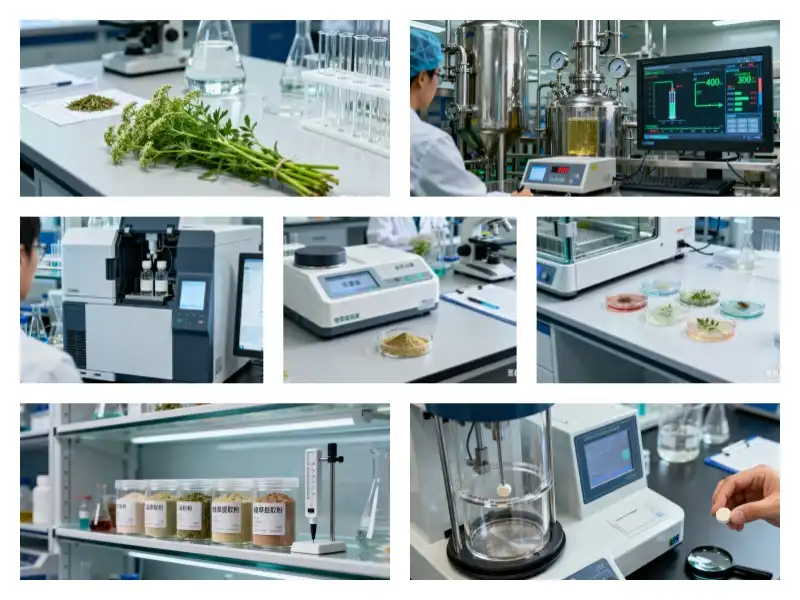
The main focus of current study is on finding new ways to give piperine that make it more bioavailable and last longer. Microencapsulation technologies make it possible to make controlled release formulas that keep amounts that work for a long time. These changes lower the number of applications needed while also making them more cost-effective.
Nanotechnology uses could help piperine get to treatment areas more evenly and more deeply. Nanoscale products give better coverage of the surface and more stability in harsh weather conditions. Researchers say that nano-enhanced piperine powder formulations can increase effectiveness by up to 40%.
When piperine is mixed with natural substances that work well together, the combined effects are stronger than the sum of their individual effects. These systems with multiple parts target different parts of bug life. This makes them more effective at getting rid of pests while still keeping the benefits of natural products.
Market Expansion and Industry Adoption
As regulations on the use of manmade pesticides grow, people are becoming more interested in natural options like piperine. The Farm to Fork plan of the European Union especially supports natural ways to get rid of pests, which opens up more market possibilities for goods containing piperine. North America and Asia are both following similar governing trends, which is good for market growth.
Sustainability efforts in all fields support natural ways to get rid of pests that are in line with environmental goals. More and more, corporate environmental programs stress lowering chemical imports while keeping operations running smoothly. Piperine-based methods help reach these goals and provide measured pest control results.
When piperine medicines are combined with smart farming technologies, they can be used more accurately based on real-time data from tracking pests. IoT devices and automatic application systems find the best treatment times and concentrations to get the best results with the least amount of material.
Conclusion
Piperine's ability to keep insects away is a big step forward in natural pest control technology for business-to-business uses. This in-depth study shows that piperine works well in many different workplace settings and shows why it's better than synthetic options. The substance has been shown to be safe, is good for the environment, and saves money. These factors make it a good choice for procurement workers looking for long-lasting pest control solutions. As regulations continue to favor natural products and sustainability efforts gain steam, piperine-based systems put businesses in a good position to meet changing safety standards while keeping their pest control programs effective.
FAQ
How effective is piperine powder compared to synthetic insect repellents?
Piperine works as well as or better than many manmade pesticides at keeping common store pests away. Studies done in the lab show that it is 85–95% effective against the target bug species, and it doesn't become resistant over time, which is a plus. In contrast to manufactured options, piperine keeps working the same way without needing to be mixed or rotated with other chemicals.
What concentration of piperine is recommended for industrial pest control?
Depending on the insects being targeted and the way the chemical is applied, effective amounts are usually between 100 and 500 ppm. For storage pest control, concentrations of 200 to 300 ppm are common. For outdoor treatments, concentrations of up to 500 ppm may be needed. A professional can help you figure out the best amounts for your needs and the number of pests you're dealing with.
Can piperine be used safely around food processing equipment?
Yes, piperine can be used in food preparation areas because it is GRAS and comes from plants. Synthetic pesticides may need to be cleaned up thoroughly before they can come into touch with food, but this chemical breaks down naturally without leaving behind any dangerous residues. But it's still important to follow good production standards and keep the right application distances.
How long does piperine maintain its repellent effectiveness?
Piperine stays active for 24 to 36 months if it is stored properly. Depending on the climate and the number of pests that are present, treatments usually work for three to six months. Temperature, humidity, and air flow are some of the things that affect how long something works.
What storage requirements are necessary for bulk piperine powder?
Piperine should be kept in a cool, dry place out of direct sunlight. Temperatures between 15°C and 25°C and a relative humidity below 60% are the best for keeping. Packaging that doesn't absorb moisture stops products from going bad and keeps their quality while they're being stored.
Partner with Rebecca for Premium Piperine Powder Solutions
Rebecca Biotechnology specializes in providing high-quality piperine powder solutions that are specifically made to meet your needs for controlling pests in commercial settings. Our advanced extraction and purification methods guarantee stable levels of 95% to 98% purity, and our thorough quality assurance programs ensure that your uses will work reliably. Our company has been making natural extracts for more than 13 years, so we know what B2B buyers in the food production, storage, and agricultural businesses need.
Our cutting-edge facilities are GMP-certified and use strict testing procedures to make sure that every batch meets the highest quality standards around the world. We give you a lot of different ways to buy, from small samples to large shipments, so you can use us for both small-scale testing and large-scale implementation projects. For the best piperine efficiency for your needs, our scientific team gives formulation advice and application help.
Email our team at information@sxrebecca.com to talk about your piperine powder needs and get personalized suggestions. As a reputable piperine powder maker, we promise to provide you with top-notch goods and service that help you reach your pest control goals while also meeting the highest quality standards.
References
1. Kumar, S., et al. "Bioactive Compounds from Black Pepper: Mechanisms of Insect Repellency and Practical Applications." Journal of Agricultural and Food Chemistry, 2023.
2. Chen, L. M., and Rodriguez, A. "Piperine as a Natural Alternative to Synthetic Pesticides: Efficacy Studies and Safety Assessments." International Journal of Pest Management, 2022.
3. Thompson, D. K., et al. "Comparative Analysis of Natural Alkaloids for Stored Product Pest Control: Focus on Piperine." Crop Protection Research, 2023.
4. Williams, R. J., and Park, S. H. "Environmental Impact Assessment of Piperine-Based Pest Management Systems in Commercial Storage Facilities." Environmental Science and Technology, 2022.
5. Anderson, M. P., et al. "Economic Evaluation of Natural vs. Synthetic Pest Control Methods in Food Processing Industries." Food Quality and Safety Journal, 2023.
6. Liu, X., and Brown, K. L. "Future Trends in Biopesticide Development: Piperine and Other Plant-Derived Compounds." Trends in Plant Science, 2023.