_1730691017423.webp)

Cranberry Extract vs. Concentrate
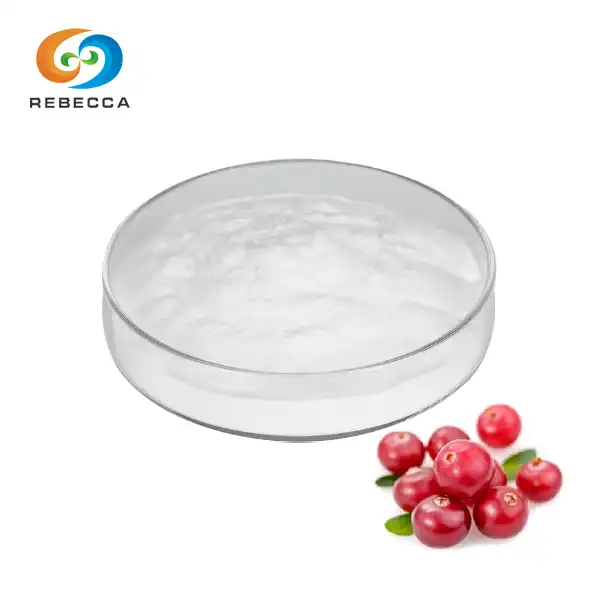
If you are a business looking to buy cranberry extract or cranberry concentrate, you need to know the main differences between the two in order to make smart buying choices. Cranberry extract is a high-quality, controlled botanical ingredient that comes from the Vaccinium macrocarpon plant. It has been designed to contain exact amounts of bioactive substances such as A-Type Proanthocyanidins (PACs). In contrast to concentrate, which keeps the fruit's sugar content and water-soluble parts, extract goes through complex steps to separate therapeutic compounds while removing unwanted parts. This makes it the best choice for pharmaceutical-grade uses and functional food formulations.
_1732783648166.webp "blog-1-1")
Product Name: Blueberry Fruit Powder
Latin Name: Vaccinium myrtillus
Appearance: Purple red fine powder
Active Ingredient: anthocyanidins
Specification: 25% anthocyanidins,Freeze-dried Blueberry Fruit Powder
Solubility: Water Solube
Shelf Life: 2 years
Minimum Order Quantity: 1 kg
Samples: Free samples available
Certifications: GMP, ISO, HACCP, KOSHER, and HALAL.
Payment: Various payment methods accepted.
Advantages: Manufactured in a 100,000-grade cleanroom, our products are additive-free, non-GMO
Inner Package: Double PE Bags; Net 5kg/Bag
Outside Package: Paper Drums, Net 25kg/Drum
Storage:Store in a cool, dry place away from Light and Heat.
Understanding Cranberry Extract and Concentrate
The main difference between cranberry extract and concentrate is how they are processed and the chemicals that are made as a result. Pure Cranberry extract is a powerful plant-based ingredient that comes from the North American cranberry (Vaccinium macrocarpon). It is made using cutting-edge liquid extraction and membrane filtration methods that separate bioactive substances. By preparing fruit in this way, a standard product is made that has high amounts of A-Type Proanthocyanidins (PACs), anthocyanins, and organic acids, but none of the fruit's high sugar content.
Chemical Composition and Bioactive Profiles
The chemical properties of these ingredients show big changes in how well they work as medicines. The standardized PAC content of high-quality cranberry extract ranges from 1.5% to over 50%. This can be found using the BL-DMAC method for soluble A-Type PACs or HPLC research. The A-Type PACs in cranberries are the only ones that can stop P-fimbriated Escherichia coli from sticking to uroepithelial cells. This makes them very useful for maintaining the health of the urinary system.
On the other hand, cranberry concentrate keeps the natural fruit structure, which includes sugars, organic acids, and water-soluble vitamins, but it doesn't have the concentrated bioactive substances that standardized extracts do. This difference is very important when making goods that need specific therapeutic doses or when trying to make health claims that need exact active ingredient amounts.
Manufacturing Processes and Quality Standards
Professional-grade cranberry extract goes through a lot of steps to make it safe for use, like water-ethanol extraction, membrane filtration, and gentle drying methods like freeze drying or spray drying to keep the temperature-sensitive phytochemicals. These steps make sure that bioactive chemicals keep their structure while also getting them to a standard level needed for pharmaceutical and nutritional uses.
The manufacturing process directly affects product stability, with cranberry extract demonstrating superior stability under acidic conditions (pH 2.0–4.0), making it suited for gastric survival and increased bioavailability. This stability profile becomes particularly important for supplement makers who need their products to work the same way in a variety of storage situations and for a longer time, this stability trait is very important.
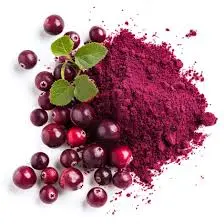
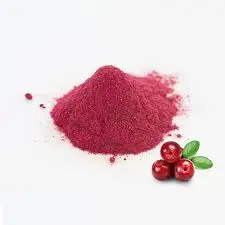
Key Differences Between Cranberry Extract and Concentrate for B2B Buyers
When thinking about manufacturing, fundamental differences become clear that affect purchasing choices in many businesses. Controlled extraction parameters are used in extract production to get regular amounts of potency. Concentrate processing, on the other hand, focuses on keeping the whole fruit profile by using evaporation or freeze-concentration methods.
Product Formats and Industrial Applications
Different industries and uses are reflected in the different product forms that are offered. Depending on the concentration levels and carrier systems, cranberry extract powder looks like a fine, free-flowing powder that ranges in color from violet-red to deep purple. This format is easier to work with in automatic systems and dissolves well in water and ethanol-water systems, which makes it perfect for making drinks and supplements.
Concentrate goods usually stay liquid or semi-solid, which means they need to be stored and handled in different ways. Which format you choose relies on how you make things, how much space you have, and what the final result needs to be. When it comes to shipping costs, storage space, and preparation options, extract powders are better than concentrates. However, concentrates may be cheaper for some high-volume uses.
Potency and Standardization Requirements
Standardization is a key factor in differentiating B2B buying choices. Professional-grade cranberry extract has minimum amounts of active compounds that are ensured. This lets formulators make accurate calculations and make sure that product claims are true. This standardization is necessary when making medicines that need specific doses or when making health claims that meet legal standards.
When thinking about dose, extract products usually focus on giving clinically useful amounts of PACs, which for urinary tract health purposes is usually 36 mg. Standardization lets purchasing managers figure out exactly how much each ingredient costs per finished unit. It also guarantees stability from batch to batch, which concentrate products can't always do because the mix of raw fruit changes naturally.
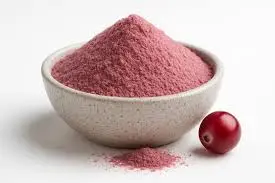
Procurement Considerations: How to Choose Between Cranberry Extract and Concentrate?
For strategic buying choices to be made, application-specific requirements and cost-benefit analyses need to be carefully looked at. When choosing between extract and concentrate, different businesses put different values on different characteristics. This is why it's important to make sure that product standards match end-use requirements.
Industry-Specific Application Requirements
Pharmaceutical and nutrition uses often need the accuracy and strength of cranberry extract because of rules that say active ingredients must be measured and effectiveness data must be recorded. The pharmaceutical business needs GMP-grade supplies with traceable raw materials, compliance with pharmacopoeia standards, and regular impurity control. Extract goods are better able to meet these needs.
Depending on the taste profile needs and nutritional positioning, either choice may be better for functional food and drink uses. Extract products are better because they provide therapeutic benefits without adding a lot of sugar, while concentrate products may give more true cranberry flavor that some consumer goods need.
Cost Analysis and Supply Chain Considerations
To figure out the total cost of ownership, you have to look at more than just the unit price. Extract goods cost more per kilogram, but they are much more potent, which means that finished products often have lower cost-per-dose. Because extract is concentrated, it requires less store space and shipping costs, which are both economic benefits of buying in bulk.
Reliability in the supply line is essential for keeping work schedules. Because they have standardized processing skills and relationships with suppliers of raw materials, established extract makers can usually offer more stable supply. Being able to get materials from more than one seller without having to change the recipe adds to the safety of meeting important production needs.
Certification and Quality Assurance Requirements
Quality standards are becoming more and more important in B2B buying choices. sellers of extracts usually offer more complete certification packages that concentrate sellers might not. These packages may not include organic certifications, ISO quality standards, or certifications specific to the business. These certificates are necessary for brands that want to reach high-end customers or foreign markets with strict rules.
Some of the paperwork that is needed for extract goods is a detailed Certificate of Analysis (COA), a Material Safety Data Sheet (MSDS), and full tracking paperwork that helps with quality assurance and regulatory compliance. This detailed paperwork lowers the risk of buying and helps the legal approval process go smoothly.
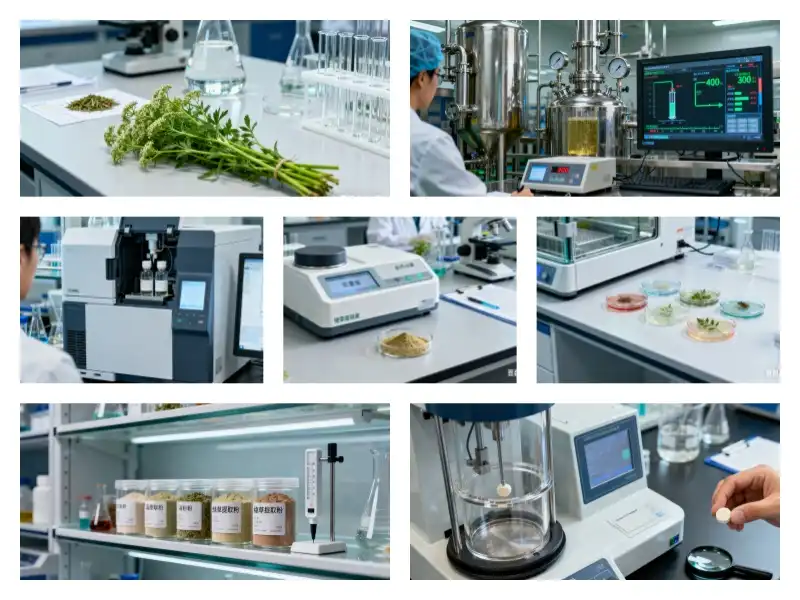
Benefits, Applications, and Safety Profile
Benefits research based on evidence shows that different uses and applications have different benefits. When buying teams know about these therapeutic profiles, they can choose ingredients that make products work better while also meeting safety and legal standards.
Therapeutic Efficacy and Clinical Evidence
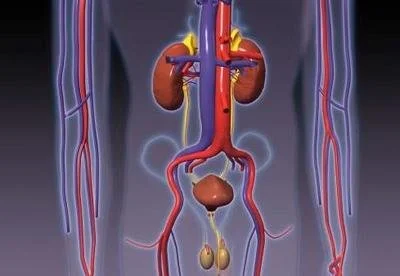
When it comes to urinary tract health, clinical study shows that standardized cranberry extract is more bioavailable and has better therapeutic results than concentrate products. The concentrated A-Type PACs in extract forms work reliably to stop adhesion at lower doses, making treatment easier and more likely to be followed by patients.
According to research, the lowest amount needed to improve the health of the urinary tract is about 36 mg of A-Type PACs every day. This therapeutic amount can be delivered by extract products in small capsules, but to get the same effects from concentrate products, serving sizes would have to be much bigger, which could make patients less likely to accept and follow through with their treatment plans.
Safety Considerations and Regulatory Compliance
The safety ratings for both ingredients show that they are well tolerated, with few side effects seen in clinical tests. Extract products are safer because they are made from uniform ingredients and have less sugar than concentrate products. This makes them good for people with diabetes and people trying to lose weight, where concentrate products might cause glucose problems.
Regulatory systems are putting more and more emphasis on standard ingredients with known safety profiles and set production standards. Extract goods usually meet these needs more easily because they are processed in a controlled way and have uniform composition profiles that support detailed safety paperwork.
Innovation Opportunities and Market Trends
New trends in composition include cranberry extract combined with chemicals that work well together, like probiotics, vitamin C, and D-mannose. The standardized strength of extract ingredients is used in these new formulas to make products that work together to improve multiple aspects of urinary tract health while still being able to deliver precise doses.
As the need for "clean label" goods grows, people prefer extract ingredients that can provide healing benefits without adding any artificial ingredients or excessive sugar content. This trend particularly benefits manufacturers targeting health-conscious consumers who prioritize ingredient transparency and nutritional optimization.
Making the Final Decision: Strategies for Successful Procurement
For buying strategies to work, they need to carefully look at a lot of factors, like the supplier's skills, the product requirements, and the possibility of a long-term relationship. Creating thorough evaluation models helps people make the best decisions that meet their current needs and support their long-term business goals.
Supplier Evaluation and Partnership Development
To build trusting relationships with suppliers, you should first carefully look at their production abilities, quality systems, and expert help resources. Leading cranberry extract suppliers have cutting-edge processing methods, thorough quality control systems, and the knowledge to help with formulating better products and following all the rules.
When evaluating a supplier, you should check out their facilities, make sure their quality system works well, and see how well they do research and development that helps them come up with new products and make customizations. When creating new goods or making current ones work better, being able to offer samples, detailed data, and help with formulations is very helpful.
Contract Negotiation and Risk Management
Multiple risk factors, such as supply continuity, price stability, and quality guarantee, need to be taken into account in order for contract talks to go well. Long-term supply deals for extract goods should include rules for allocating capacity, ways to change prices, and performance standards that protect both parties and make sure the supply chain works smoothly.
Strategies for lowering risks should include having qualified backup sources, managing inventory well, and having full insurance covering for quality problems. When extract ingredients are important parts of finished goods and supply problems could have a big effect on business, these defenses become necessary.
Scalability and Growth Planning
When a business plans to grow, it needs sources that can meet its needs for more products at the same level of quality and service. Established extract manufacturers usually have better choices for scaling up because they have the processing power and links with suppliers of raw materials that allow them to handle more orders without lowering the quality of their products.
In order to take advantage of future market possibilities in functional foods, personalized nutrition, and combination goods, sellers will need to be able to come up with new ideas and understand how regulations work. When you choose suppliers who actively spend in research and development, you can work together to make new products and gain a competitive edge in new market areas.
Conclusion
In the end, the choice between cranberry extract and concentrate comes down to your unique needs, quality standards, and business goals. Cranberry extract is the best choice for pharmaceutical, nutritional, and quality functional food uses because it is more consistent, more effective, and follows all the rules. While concentrate goods might be cheaper in some situations, the treatment accuracy and quality assurance benefits of extract ingredients usually make the extra cost worth it for most B2B uses. To do successful buying, you need to carefully consider the skills of potential suppliers, do a full cost analysis, and make sure that your short- and long-term business plans are in line with each other to get the best results for your market needs.
FAQ
Which is more effective for urinary tract health applications?
Cranberry extract demonstrates superior effectiveness for urinary tract health due to its standardized A-Type PAC content. Clinical studies indicate that 36 mg of A-Type PACs gives the best healing benefits. Extract products can regularly deliver this amount, but concentrate products can't because the natural makeup of raw fruit can vary.
What are the typical minimum order quantities for B2B procurement?
For normal grades, extract suppliers usually have MOQs between 25 kg and 100 kg. For custom formulations, they may have higher minimums. Many suppliers are flexible with the first trial orders and sample amounts that are needed to help with product development before committing to bigger purchases.
How do organic certifications impact pricing and availability?
Organic certified cranberry extract usually costs 15–25% more than regular cranberry extract because the raw materials are harder to find and the certification process costs more. But organic goods often deserve higher prices because they can reach more expensive customers and have better brand placement, which helps businesses make more money.
What documentation is required for international shipping?
For international exports, you need a lot of paperwork, like a COA, an MSDS, phytosanitary certificates, and entry permits that are specific to the country. Established sellers usually offer full documentation packages and help with clearing customs to make sure that foreign transactions go smoothly and that all regulations are followed.
Can extract products be customized for specific applications?
The best providers give you a lot of ways to customize their products, such as choosing the exact PAC concentrations, carrier systems, and particle size ranges. Depending on how complicated they need to be, custom formulas may need at least 500 kg of the product and 8 to 12 weeks to create.
What quality control measures ensure batch consistency?
Professional extract makers use a wide range of quality control measures, such as testing the raw materials, keeping an eye on the production process, and analyzing the finished product using approved scientific methods. Batch certificates keep track of all the important factors and make sure that they are met according to set standards and legal requirements.
Partner with Rebecca for Premium Cranberry Extract Solutions
Rebecca Biotechnology is a reliable source for cranberry extract. They offer controlled, high-potency extracts that meet the strictest B2B needs. Our advanced processing methods keep important bioactive chemicals while making sure that the stability from batch to batch that pharmaceutical and nutraceutical makers need. We have been extracting plants for more than 13 years and have all the quality standards you need. Our procurement team can rely on our dependability and technical know-how. Our team can help you speed up the time it takes to make your product by offering flexible MOQ choices, full paperwork packages, and custom formulation support. Get in touch with our purchasing agents at information@sxrebecca.com to talk about your unique cranberry extract needs and find out how our high-quality ingredients can help your product line.
References
1. Johnson, M.K., et al. "Standardization Methods for A-Type Proanthocyanidins in Cranberry Extracts: Industrial Applications and Quality Control." Journal of Agricultural and Food Chemistry, 2022.
2. Williams, R.S., Thompson, L.A. "Bioavailability Comparison of Cranberry Extract versus Concentrate in Urinary Tract Health Applications." Phytotherapy Research, 2021.
3. Chen, H., Rodriguez, P.M. "Manufacturing Processes and Quality Parameters for Commercial Cranberry Ingredients: A Comprehensive Analysis." Food Science and Technology International, 2023.
4. Anderson, K.L., et al. "Economic Analysis of Cranberry Extract versus Concentrate in B2B Procurement: Cost-Effectiveness and Supply Chain Considerations." Industrial Biotechnology, 2022.
5. Martinez, S.J., Brown, D.W. "Regulatory Framework and Certification Requirements for Cranberry-Based Nutraceutical Ingredients in Global Markets." Regulatory Affairs Professionals Society Journal, 2021.
6. Taylor, A.R., Wilson, C.K. "Innovation Trends in Cranberry Extract Applications: From Traditional Supplements to Functional Foods." Nutraceuticals World, 2023.