_1730691017423.webp)

How to Maximize the Benefits of Resveratrol?
As a polyphenolic molecule linked to antioxidant signaling pathways and controlling the cellular stress response, resveratrol has been widely studied in the field of modern nutrition science. It is mostly found in grape skins, berries, and Polygonum cuspidatum. It has gotten a lot of attention because it might help the body's natural ways of aging in a good way. Even though study is still going on, most of what has been found so far is about cells and lab models, not about clear human clinical results.
More and more people are looking for ways to add the best resveratrol powder to regular health habits as their interest in supplements grows. However, how well it works depends on the type of preparation, absorption, regularity of doses, and differences in how each person's metabolism works.
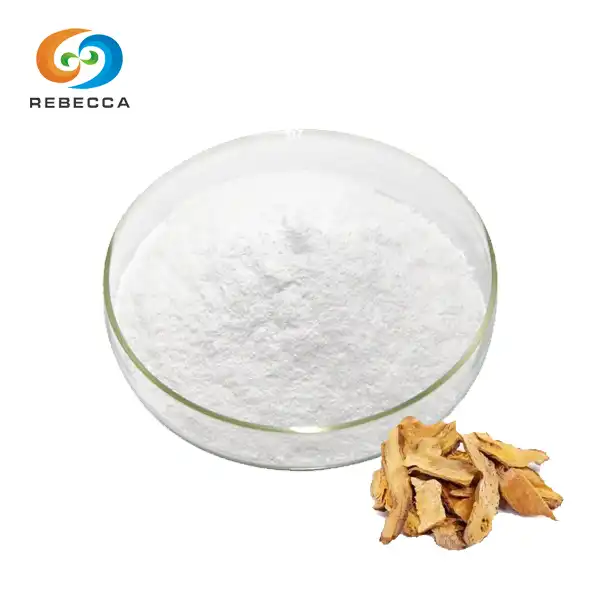
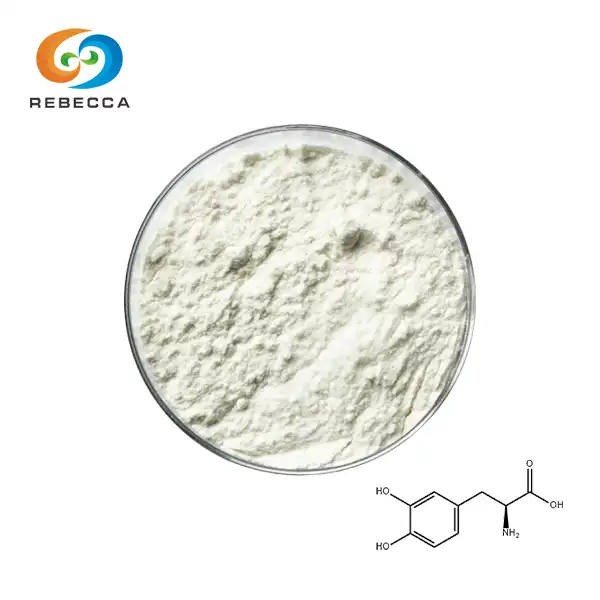
Product Name:Polygonum Cuspidatum Extract, Resveratrol
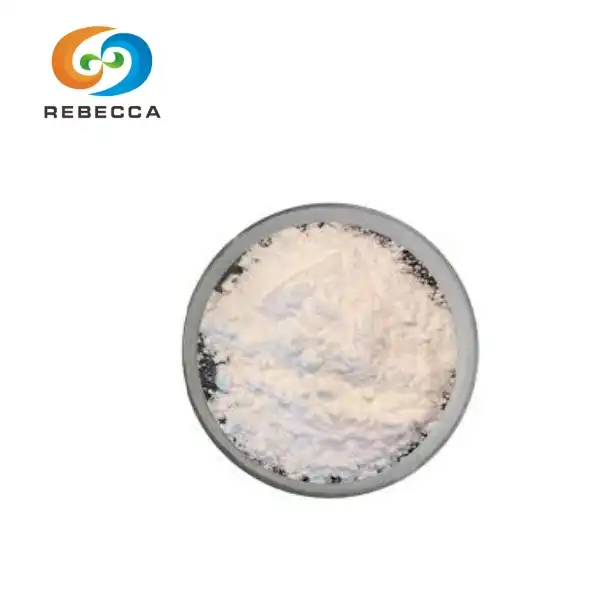
Appearance: White or Off-white Fine Powder
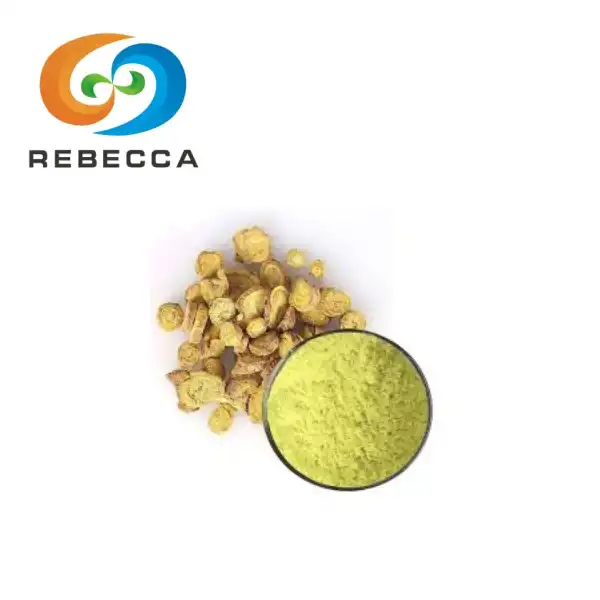
Part of used: Polygonum cuspidatum root
Extract solvent: Water & Alcohol
CAS No.:501-36-0
Specification: Resveratrol, Min 98%. HPLC.
Shelf Life: 2 years
Minimum Order Quantity: 1 kg
Samples: Free samples available
Certifications: GMP, ISO, HACCP, KOSHER, and HALAL.
Payment: Various payment methods accepted.
Advantages: Manufactured in a 100,000-grade cleanroom, our products are additive-free, non-GMO
Inner Package: Double PE Bags; Net 5kg/Bag
Outside Package: Paper Drums, Net 25kg/Drum
Storage:Store in a cool, dry place away from Light and Heat.
Combining Resveratrol with Other Supplements
Quercetin: A Complementary Polyphenol
Flavonoids like quercetin are being studied for their ability to fight inflammation and free radicals. Preclinical study shows that it might interact with resveratrol through pathways that overlap, such as sirtuin-related action and reducing oxidative stress. However, most of the proof is still from experiments, and the full effects of combined effects in people have not yet been proven. Apples, onions, and berries are food sources that may provide more flavonoid variety.
Curcumin: The Polyphenol Interaction Model
Curcumin, which comes from turmeric, has been studied a lot for how it affects inflammation pathways like NF-κB activation. When paired with resveratrol, lab studies have suggested that they might work better because their anti-inflammatory and antioxidant effects interact. There isn't a lot of clinical evidence for combination nutrition yet, though, and reactions may be different depending on the formulation and absorption boosters used.
Vitamin D: Endocrine and Immune Support Context
Vitamin D is a hormone that does things like control the defense system and the heart. Some observational studies show that vitamin D levels and flavonoid activity, such as resveratrol, may be related in ways that work together. These relationships, on the other hand, happen indirectly, so they shouldn't be taken as proven additive benefits in real life.
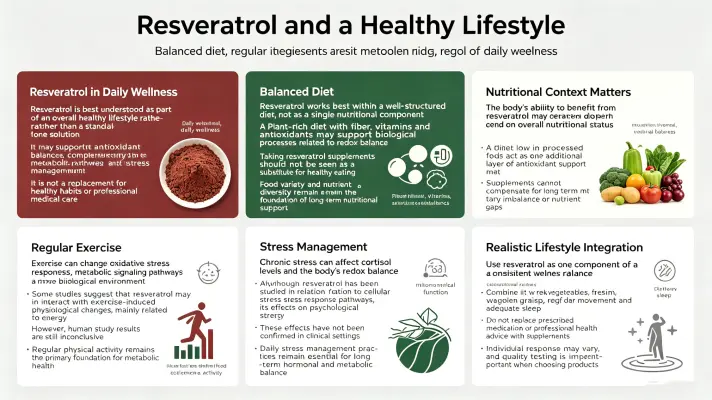
Resveratrol and a Healthy Lifestyle
Balanced Diet: Nutrient Context Matters
Resveratrol works as part of a person's overall diet, not just one thing they eat. Plant-based diets high in fiber, vitamins, and antioxidants may help the same biological processes that are linked to reactive balance. However, taking resveratrol supplements shouldn't be seen as a replacement for eating a healthy diet.
Regular Exercise: Metabolic Pathway Interaction
The reactive stress reaction, metabolic signaling pathways, and mitochondrial function are all changed by exercise. Some studies show that resveratrol might combine with changes that happen because of exercise, mainly in processes that use energy, but results from human studies are still not clear.
Stress Management: Hormonal Regulation Context
Cortisol levels and reactive balance are affected by long-term stress. The effects of resveratrol on psychological stress in humans are still indirect and have not been proven in a clinical setting, despite the fact that it has been studied in relation to cellular stress response pathways.
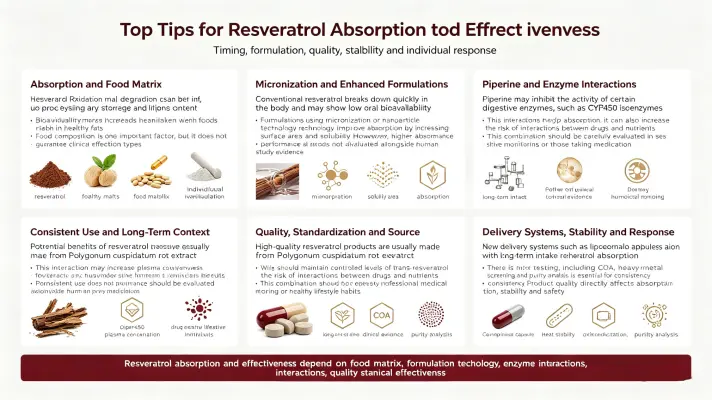
Top Tips for Absorption and Effectiveness
Timing and Food Matrix Interaction
Resveratrol uptake is affected by what you eat and the amount of lipids. Bioavailability may be better if taken with foods that contain healthy fats, but absorption rates vary a lot between people and between forms.
Micronized and Enhanced Formulations
Standard resveratrol is quickly broken down in the body, so it is not very bioavailable when taken by mouth. Formulations with micronized or nanoparticles may help absorption by making the surface area and solubility bigger. However, better intake does not always mean that the clinical benefits are proportionally stronger.
Piperine and Enzyme Interaction Considerations
Piperine might stop some digestive enzymes from working (like CYP450 isoenzymes), which could make the plasma levels of resveratrol higher. This might make absorption better, but it might also make drug-nutrient interactions more likely, which needs careful thought in vulnerable groups.
Consistency and Long-Term Use Context
Most of the time, the benefits of resveratrol are linked to long-term consumption rather than instant effects. But there isn't a lot of long-term clinical evidence in humans yet, and the effects seen in different studies aren't all the same.
Quality, Standardization, and Source Material
Trans-resveratrol content is usually controlled in high-quality resveratrol goods, which are usually made from Polygonum cuspidatum root extract. For business uses, it's important to make sure that the product is consistent through third-party tests for COA, heavy metals, and purity profiling.
Delivery Systems and Bioavailability Technologies
New ways of delivering medicines, like liposomal capsules and oral forms, are meant to make it easier for the body to absorb them. However, it has not yet been proven beyond a reasonable doubt that this version is clinically better than normal ones.
Temperature and Stability Considerations
Heat and rust can damage resveratrol. Conditions of processing and keeping can affect how stable a chemical is, especially in forms that are food-based or barely treated.
Hydration and Metabolic Support
Staying hydrated helps move nutrients around and process them metabolically, but it doesn't directly improve how well resveratrol is absorbed.
Monitoring Individual Response
The way your body reacts to resveratrol depends a lot on your genes, your metabolic function, and your basic reactive state. There aren't many objective clinical signs, so review is usually subjective and done in a roundabout way.
Conclusion
In conclusion, resveratrol is a polyphenolic substance that has been studied a lot. It is linked to a number of biological processes that deal with oxidative stress and metabolic control. However, most of the data comes from preliminary or molecular studies, and the results of clinical trials in humans are still not consistent.
How well the best resveratrol powder works rests a lot on how well it is made, how bioavailable it is, how consistent the dose is, and how each person's body responds. It should be thought of as a food supplement rather than a therapy in and of itself. For more information on standardized resveratrol ingredients or bulk supply specifications, please contact us at information@sxrebecca.com.
FAQ
1. What is the best form of resveratrol powder?
Trans-resveratrol is thought to be the biologically active form, and vitamins and raw materials usually use standardized products instead.
2. Is it okay to take resveratrol every day?
Yes, it is often taken as a daily vitamin. However, the best dose and long-term results rely on the person's health and the type of product used.
3. Has anyone found that resveratrol works better with other antioxidants?
Some animal studies show that substances like quercetin and curcumin might work together in a beneficial way, but there isn't much proof from humans yet.
4. Why is resveratrol not bioavailable in large amounts?
Resveratrol is broken down quickly in the liver and doesn't mix well with water, so it can't be absorbed by the body unless special preparations are used.
5. Is it safe to use resveratrol for a long time?
At this point, there is proof that it is usually well taken, but long-term high-dose intake has not been thoroughly studied in big human studies.
References
1. Smoliga, J. M., Baur, J. A., & Hausenblas, H. A. (2011). Resveratrol and health – A comprehensive review of human clinical trials. Molecular Nutrition & Food Research, 55(8), 1129-1141.
2. Berman, A. Y., Motechin, R. A., Wiesenfeld, M. Y., & Holz, M. K. (2017). The therapeutic potential of resveratrol: a review of clinical trials. NPJ Precision Oncology, 1(1), 1-9.
3. Sergides, C., Chirilă, M., Silvestro, L., Pitta, D., & Pittas, A. (2016). Bioavailability and safety study of resveratrol 500 mg tablets in healthy male and female volunteers. Experimental and Therapeutic Medicine, 11(1), 164-170.
4. de Ligt, M., Timmers, S., & Schrauwen, P. (2015). Resveratrol and obesity: Can resveratrol relieve metabolic disturbances? Biochimica et Biophysica Acta (BBA)-Molecular Basis of Disease, 1852(6), 1137-1144.
5. Weiskirchen, S., & Weiskirchen, R. (2016). Resveratrol: How Much Wine Do You Have to Drink to Stay Healthy? Advances in Nutrition, 7(4), 706-718.






_1735529080429.webp)