_1730691017423.webp)

What is L-ergothioneine used for?
L-ergothioneine, which is often written as EGT, is a naturally occurring sulfur-containing amino acid derivative that is made by mushrooms and some bacteria. It builds up in human tissues through OCTN1, a special transporter system. L-ergothioneine is becoming more and more known in nutritional science as a "long-term cellular protective antioxidant" instead of a normal short-acting free radical scavenger. This is because it has a unique biological preservation mechanism.
In recent years, supplement makers, cosmetic formulators, and functional food developers have become more interested in wholesale L-ergothioneine . This is because it is very stable, easily absorbed by the body, and can only build up in tissues that are more likely to experience oxidative stress, like the brain, skin, liver, and mitochondria. Because of these qualities, L-ergothioneine seems like a good ingredient that could be used in anti-aging, brain health, and cognitive support products.
Many common antioxidants are quickly lost from the body after being eaten, but L-ergothioneine stays in the body for a long time and is distributed specifically in cells, which greatly increases its usefulness in both oral and external delivery methods.
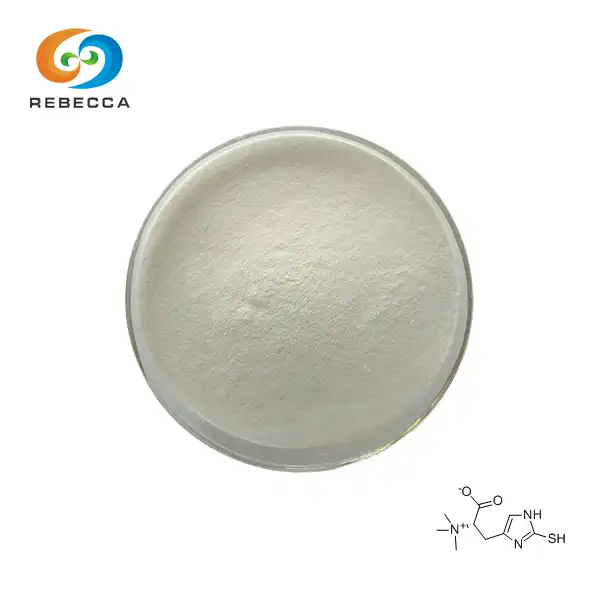
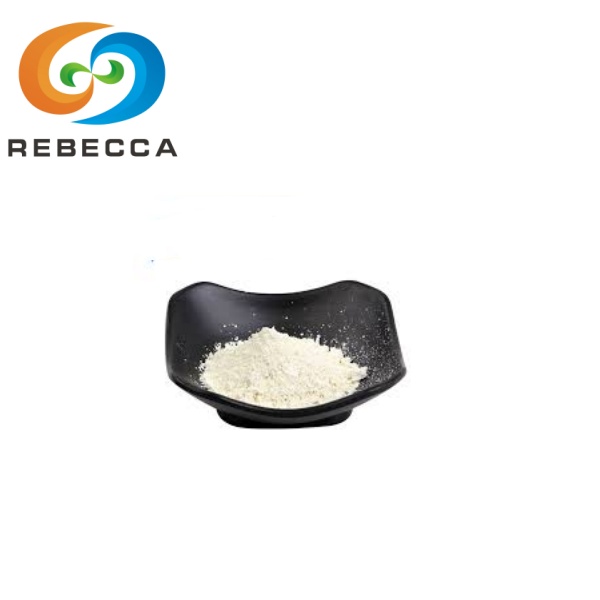
Wholesale L-Ergothioneine Powder
English name:L-Ergothioneine
Chemical Name:2-mercaptohistidine trimethylbetaine, EGT
CAS No.:497-30-3
Molecular Formula: C9H15 N3O2S
Specification: 99%
Appearance: White Crystalline Powder
Test Method: HPLC
Health Benefits of wholesale L-ergothioneine Powder
Powerful Antioxidant Properties
L-ergothioneine powder is a naturally occurring amino acid product that contains sulfur and has been studied a lot for its ability to protect cells. It is found in mushrooms and some bacteria. Because it has its own transporter system, it is very stable in human tissues (OCTN1). Due to these qualities, wholesale L-ergothioneine is becoming more and more popular as an ingredient in useful and nutritional products.
Powerful Antioxidant Properties
One very important thing that L-ergothioneine does is act as an antioxidant inside cells that lasts for a long time. L-ergothioneine builds up in tissues that are subject to high oxidative stress, like the liver, eyes, skin, and red blood cells. This is different from many other antioxidants that are quickly broken down.
It helps get rid of reactive oxygen species (ROS), which include hydroxyl radicals and singlet oxygen. This keeps lipids, proteins, and DNA from being damaged by oxidation. This process is especially useful in formulas that aim to help with age, metabolic stress, and outdoor pollution.
Mitochondrial Support
L-ergothioneine protects mitochondrial function by lowering the amount of oxidative stress inside the energy-making parts of the cell. L-ergothioneine helps keep ATP production efficient because mitochondria are very sensitive to reactive stress. Because of this, it is a useful ingredient in products that help with energy and fight tiredness. Researchers have also found a link between protecting mitochondria and good aging and keeping your metabolism in check.
Neuroprotective Effects
With the help of OCTN1 transporters, L-ergothioneine can get into brain cells and be stored there. This feature helps protect neurons from toxic stress and inflammation. Researchers have looked into its possible role in keeping brain health, memory, and cognitive function, especially in older people who are more likely to have neurodegeneration due to reactive stress.
Cardiovascular Health
Endothelial defense and reducing arterial oxidant stress have both been linked to L-ergothioneine. By keeping the balance of nitric oxide and lowering oxidative damage in blood vessels, it may help keep circulation and vascular flexibility in good shape. Even though it's not a straight medicine, it's being used more and more in heart health products that are meant to help the heart for a long time.
Anti-Inflammatory Action
Oxidative stress and inflammation are two biological processes that are closely linked. L-ergothioneine lowers reactive factors that start inflammatory cascades, which helps change inflammatory signaling pathways. Because of this, it can be used in formulas that aim to treat chronic low-grade inflammation, metabolic stress, and the balance of the immune system as a whole.

How L-ergothioneine Powder Improves Skin Health?
L-ergothioneine is used in cosmetics and nutricosmetics because it helps protect skin cells from oxidative stress and supports structural proteins like collagen and keratin. Many topical antioxidants break down quickly, but L-ergothioneine is very stable in both internal and external transport methods. This means it can be used in advanced skin care products.
Antioxidant Protection for Skin Cells
L-ergothioneine helps fight free radicals caused by UV light and reactive stress caused by smog. This keeps the skin's membranes from oxidizing lipids and helps them stay healthy over time. It is often used in "anti-pollution" and "photo-protection support" cosmetics because it doesn't react badly with living things.
Collagen Support
Oxidative stress speeds up the breakdown of collagen by turning on matrix metalloproteinase (MMP). L-ergothioneine indirectly protects collagen by lowering the levels of oxidant stress that make MMPs work. When added to daily skincare or nutricosmetic routines, this helps skin become firmer and more flexible over time.
Skin Barrier Function
Lipid stability and molecular structure are important for the skin barrier. L-ergothioneine helps keep these structures safe from reactive damage, which helps them keep water and lowers transepidermal water loss (TEWL). Because of this, it can be used in products for dry, sensitive, or aging skin.
Even Skin Tone
L-ergothioneine might help control the reactive processes that cause too much melanin to be made. It can help your skin look more even and balanced by lowering reactive stress in melanocytes. This result is especially useful in formulas that target dullness and uneven coloring.
Soothing Properties
Because it lowers oxidant and inflammation stress in skin tissue, L-ergothioneine is often found in skin care products for sensitive or reacting skin that are meant to calm the skin.

Applications of wholesale L-ergothioneine in Supplements
Because it is stable, bioavailable, and protects cells in multiple ways, wholesale L-ergothioneine is used in many food supplements and functional nutrition products. For industrial uses, it is usually defined and mixed in ways that depend on how pure they are (usually 98–99% HPLC) and how much moisture and heavy metals they contain.
Anti-Aging Supplements
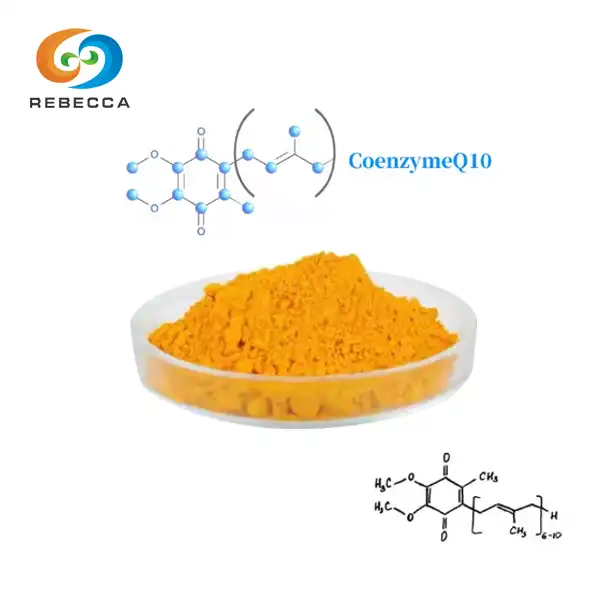
Chemicals that slow down aging use L-ergothioneine to lower reactive stress at the cellular level. It is often mixed with vitamin C, glutathione, or CoQ10 to make the antioxidant benefits stronger.
Cognitive Health Supplements
L-ergothioneine is found in nootropic and brain-support formulas that help with memory, focus, and staying smart for a long time because it can build up in brain cells.
Sports and Performance Supplements
L-ergothioneine helps protect mitochondrial health during physical stress, which makes it useful in sports-specific endurance and healing formulas.
Skin Health Supplements
L-ergothioneine is often found in oral beauty supplements because it protects the skin from the inside out, helping to keep it hydrated, smooth, and resistant to photoaging.
General Wellness Formulations
It is also mixed with other vitamins and antioxidants to protect cells from environmental and metabolic stress in a wide range of ways.

Conclusion
L-ergothioneine is a very steady and medically active antioxidant that has special qualities for how it moves around in cells. Because it can build up in high-stress areas like the brain, skin, and mitochondria, it is a useful ingredient in modern supplements and cosmetics.
Large amounts of wholesale L-ergothioneine can be used in a lot of different ways because it works well with other antioxidants and stays stable under normal processing conditions. Because of these qualities, it can be used in high-end beauty, pharmaceutical, and nutritional uses.
To make sure that their products are safe and work the same way every time, makers must choose high-purity raw materials (≥98% HPLC), low bacteria loads, and heavy metal compliance that has been checked. For more technical specifications, COA documents, or formulation guidance, please contact: information@sxrebecca.com.
FAQ
1. What is the typical purity of wholesale L-ergothioneine used in supplements?
Most L-ergothioneine sold in stores is defined at 98% to 99% purity (HPLC), which makes sure that all nutritional and skincare products are the same.
2. Is L-ergothioneine stable when it is processed into a formulation?
Yes. It stays very steady at room temperature and pH, and compared to many other antioxidants, it is very resistant to oxidation.
3. Can other antioxidants be mixed with L-ergothioneine?
Yes. Ingredients like vitamin C, glutathione, and CoQ10 work together to make antioxidant defense even better.
4. What kinds of businesses use L-ergothioneine a lot?
It is used a lot in useful foods, dietary supplements, anti-aging skin care products, and pharmaceutical studies.
5. Can L-ergothioneine be used in vitamins for a long time?
Yes. New study shows that it is very safe and can be used for a long time in daily antioxidant support formulas.
References
1. Halliwell, B., Cheah, I. K., & Tang, R. M. Y. (2018). Ergothioneine - a diet-derived antioxidant with therapeutic potential. FEBS Letters, 592(20), 3357-3366.
2. Ames, B. N. (2018). Prolonging healthy aging: Longevity vitamins and proteins. Proceedings of the National Academy of Sciences, 115(43), 10836-10844.
3. Cheah, I. K., & Halliwell, B. (2012). Ergothioneine; antioxidant potential, physiological function and role in disease. Biochimica et Biophysica Acta (BBA) - Molecular Basis of Disease, 1822(5), 784-793.
4. Markova, N. G., Karaman-Jurukovska, N., Dong, K. K., Damaghi, N., Smiles, K. A., & Yarosh, D. B. (2009). Skin cells and tissue are capable of using L-ergothioneine as an integral component of their antioxidant defense system. Free Radical Biology and Medicine, 46(8), 1168-1176.
5. Grigat, S., Harlfinger, S., Pal, S., Striebinger, R., Golz, S., Geerts, A., ... & Gründemann, D. (2007). Probing the substrate specificity of the ergothioneine transporter with methimazole, hercynine, and organic cations. Biochemical Pharmacology, 74(2), 309-316.