_1730691017423.webp)

What is fucoxanthin used for?
Fucoxanthin is a naturally occurring carotene that can be found in brown seaweeds like Hijikia fusiformis, Undaria pinnatifida, and Laminaria japonica. It is getting more and more attention from experts and supplement makers. Fucoxanthin is different from other plant-based carotenoids in that it has a special chemical structure that helps it be an antioxidant and may be good for your health.
Scientists have been looking into the link between fucoxanthin and things like weight loss, metabolic health, heart health, and protecting cells for the past twenty years. Even though more study needs to be done, what we already know about fucoxanthin says that it may help when mixed with a healthy diet and a busy lifestyle.
This piece talks about the possible uses of fucoxanthin powder , explains recent study results, and gives useful advice to people who want to use this marine-derived ingredient and people who are making products.
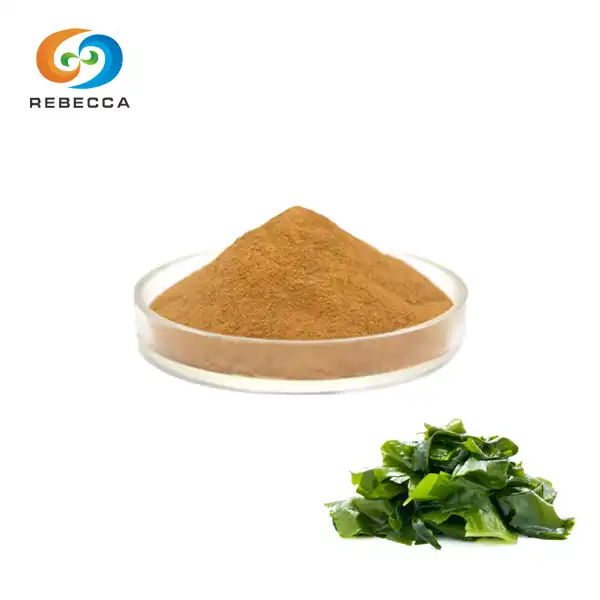
Fucoxanthin Powder
【English name】: Fucoxanthin Powder
【Used part】: Whole Part
【Particle Size】: 80 mesh
【Active ingredients】: Fucoxanthin
【CAS No.】: 3351-86-8
【Molecular Formula】: C42H58O6
【Molecular Weight】: 658.91
【Specification】: 5% 10% 20% 30% 40% 50% Fucoxanthin
【Appearance】: Yellow or Green Powder
【Test Method】:UV
Fucoxanthin Powder for Weight Loss Support
One use of fucoxanthin powder that has been studied a lot is its possible role in weight loss. Several animal and adult studies have looked into how fucoxanthin might change body makeup and energy consumption.
Boosting Metabolism
Researchers think that fucoxanthin might make white adipose tissue make more uncoupling protein 1 (UCP1). The process of thermogenesis, which turns saved energy into heat, is linked to UCP1. Increased energy consumption and good metabolic function may be facilitated by fucoxanthin by promoting thermogenesis. Even though the results are good, they may be different for each person because of their food, amount of exercise, age, and general health.
Targeting Visceral Fat
Visceral fat builds up around the organs inside the body and is often linked to metabolic health problems. Numerous research papers have shown that fucoxanthin may help reduce abdominal fat when used with low-calorie diet plans. Keeping your abdominal fat levels in a healthy range is still an important health goal because having too much of it is linked to metabolic syndrome and heart disease risk factors.
Regulating Fat Storage
New data suggests that fucoxanthin may change genes that are involved in how fats are used in the body. Fucoxanthin may help control adipogenesis (the formation of fat cells) while promoting lipolysis. These ways of working might explain why fucoxanthin powder keeps getting attention as a useful ingredient in weight loss products.

Top Health Benefits of Fucoxanthin Supplements
Researchers have looked into fucoxanthin for many health benefits besides helping with weight loss.
Antioxidant Protection
Free radicals build up faster than the body's defenses can get rid of them. This is called oxidative stress. Fucoxanthin is an antioxidant that might help protect cells from the harm that free radicals can do. Some carotenoids are different from this one because their chemical makeup is different. This one has an allenic link and an epoxide group. This shape also helps it do work in living things.
Anti-Inflammatory Effects
Low-level inflammation that lasts for a long time is linked to many of the health problems that come with getting older. It has been shown in lab tests and on animals that fucoxanthin may help manage inflammatory pathways and keep the inflammatory reaction in check. These results show that the technology could be used in general health things, but more research needs to be done with people.
Cardiovascular Health Support
A lot of things, like keeping your cholesterol, blood flow, and reaction balance in check, affect how healthy your heart is. For now, it looks like fucoxanthin may help your heart stay healthy and help your body absorb fats. Since it helps fight inflammation and free radicals, it may also help keep arteries healthy as part of a healthy lifestyle.
Potential Neuroprotective Effects
By protecting nerve cells from oxidative stress and inflammation, scientists have investigated whether fucoxanthin can help keep the brain healthy. Some good news about how to protect neurons and make the brain work better comes from studies on animals. However, we need to do more clinical tests before we can say for sure what brain health apps do.
Skin Health Benefits
Because fucoxanthin is a vitamin, beauty and skin care companies are also interested in it. Animal tests show that fucoxanthin may help shield skin cells from harmful things like ultraviolet (UV) light. As a result, fucoxanthin is being looked at more and more as a possible ingredient in both food supplements and skin care items.

How to Use Fucoxanthin Powder Effectively?
Dosage Considerations
At this point, there isn't a single, agreed upon recommendation for how much fucoxanthin you should take every day. Most store-bought items have between 2 mg and 10 mg of fucoxanthin in each dose. People should read the notes on the bottle and talk to a trained medical professional before starting a new food supplement plan. This is especially important if they already have a health problem or are taking prescription drugs.
Timing and Administration
Because fucoxanthin breaks in fat, eating meals with healthy fats may help your body take it in better. A lot of supplement makers say that eating fucoxanthin powder with breakfast or lunch is the best way to use it.
Combining with Other Supplements
A lot of the time, fucoxanthin is paired with things that work well together, like omega-3 fatty acids, pomegranate seed oil, seaweed products, or antioxidant mixes. Taking more than one vitamin at once may have extra benefits, but people should talk to their doctor first.
Consistency is Key
There are times when you need to use natural goods over and over again. It's possible that taking supplements on a daily basis and living a healthy life will help you more than taking supplements for short periods of time. Users should not set too high of goals and should check in on their progress every few weeks or months.
Lifestyle Considerations
If you have health problems, fucoxanthin powder is not the only thing you should do. It should be part of a bigger exercise plan. Still, eating well, working out regularly, getting enough sleep, learning how to deal with stress, and drinking enough water are all important building blocks for long-term health.

Conclusion
More and more people are interested in fucoxanthin powder, which comes from sea life and is used in health, nutrition, and useful foods. Based on a new study, fucoxanthin may help people lose weight, keep their hearts healthy, fight free radicals, and do other good things.
Even though we are still learning more about it, fucoxanthin is still one of the most studied carotenoids from brown kelp. People who want to add fucoxanthin powder to food supplements should make sure they get high-quality materials from companies they can trust. Please email our team at information@sxrebecca.com if you need m
FAQ
How do you spell fucoxanthin powder?
Fucoxanthin powder is a natural marine carotene that comes mostly from Undaria pinnatifida and Laminaria japonica, which are brown seaweeds. It is often found in vitamin supplements, useful foods, and other food products.
In what ways might fucoxanthin be helpful?
Researchers have found that fucoxanthin may help with weight loss, heart health, hormone balance, and general fitness. But everyone may have different results, and more tests are still being done in the real world.
Can I use fucoxanthin powder every day without getting sick?
People generally believe that fucoxanthin powder is safe as long as it is used as directed. Before using, people who are pregnant, nursing, taking medicine, or having health problems should talk to a doctor or nurse.
When should fucoxanthin be taken?
Fucoxanthin breaks in fat, so it is best to eat it with healthy fats. A lot of people eat it for breakfast or lunch.
How do I choose a high-quality fucoxanthin powder supplier?
Make sure the sellers you're interested in give you standard examples, reports from third parties, certificates of analysis (COA), quality badges like GMP or ISO, and clear details about where the goods came from. These things help make sure that the product is stable and of good quality.
References
1. Maeda, H., Hosokawa, M., Sashima, T., Funayama, K., & Miyashita, K. (2005). Fucoxanthin from edible seaweed, Undaria pinnatifida, shows antiobesity effect through UCP1 expression in white adipose tissues. Biochemical and Biophysical Research Communications, 332(2), 392-397.
2. D'Orazio, N., Gemello, E., Gammone, M. A., de Girolamo, M., Ficoneri, C., & Riccioni, G. (2012). Fucoxanthin: a treasure from the sea. Marine drugs, 10(3), 604-616.
3. Gammone, M. A., & D'Orazio, N. (2015). Anti-obesity activity of the marine carotenoid fucoxanthin. Marine drugs, 13(4), 2196-2214.
4. Miyashita, K., Nishikawa, S., Beppu, F., Tsukui, T., Abe, M., & Hosokawa, M. (2011). The allenic carotenoid fucoxanthin, a novel marine nutraceutical from brown seaweeds. Journal of the Science of Food and Agriculture, 91(7), 1166-1174.
5. Hosokawa, M., Miyashita, T., Nishikawa, S., Emi, S., Tsukui, T., Beppu, F., ... & Miyashita, K. (2010). Fucoxanthin regulates adipocytokine mRNA expression in white adipose tissue of diabetic/obese KK-Ay mice. Archives of biochemistry and biophysics, 504(1), 17-25.