_1730691017423.webp)

What are the signs of glutathione deficiency?
When the body doesn't have enough glutathione, cells aren't defending themselves or getting rid of waste as well as they should. Most people who have it feel tired all the time, have a weaker immune system, see changes in their skin, age faster, and get infections more often. Neurological problems, stomach problems, and cuts that take a long time to heal are some other signs. It is easy for the body to use pure glutathione powder to treat these health issues in functional food and supplement recipes. It can easily boost the amount of antioxidants in the body and make cells work better
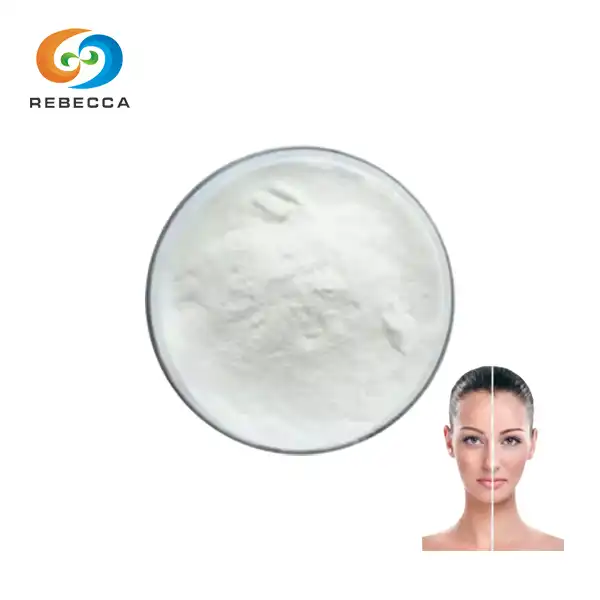
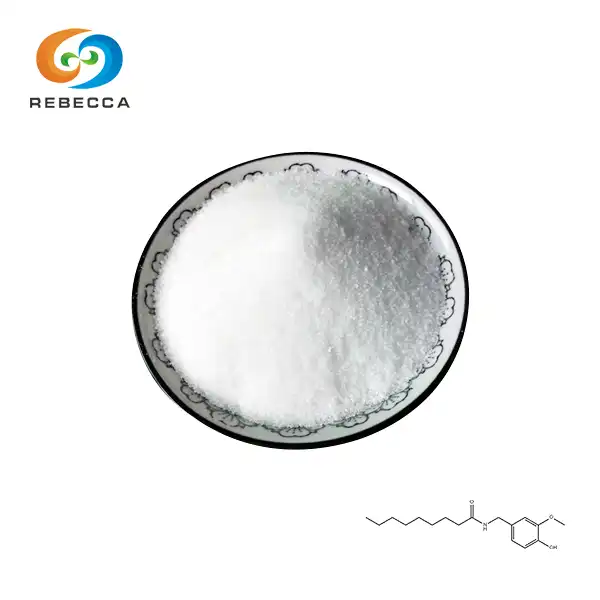
【English name】: Glutathione
【CAS No.】: 70-18-8
【Active ingredients】: Glutathione
【Molecular Formula】: C10H17N3O6S
【Molecular Weight】: 307.32
【Specification】: Glutathione Min 98%
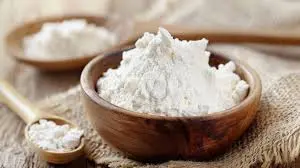
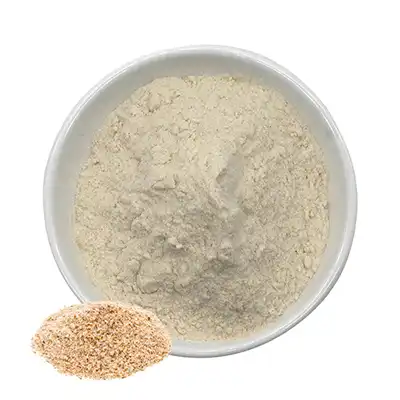
【Appearance】: White or almost white crystalline powder
Comprehending Glutathione and Its Importance
The body's main protector is glutathione. Glutamic acid, cysteine, and glycine are three very important building blocks that work together to protect cells in the body. This powerful chemical fights free radicals, aids the liver in getting rid of waste, and keeps cells in many organ systems healthy. Some enzymes don't work as well when this stuff is around, which is bad for your health.
The Biochemical Foundation of Cellular Protection
Glutathione is an important part of many complex redox processes in cells that protect DNA from damage caused by oxidants and keep it safe. The molecule is usually found in its reduced form (GSH). There is a reactive sulfhydryl group in this form that can give up electrons to fight reactive oxygen species. For this reason, oxidative stress can't harm the walls of cells, proteins, or genetic material. If it did, the cells would not work right.
How healthy and long cells live are linked to how much glutathione is in the body. More than that helps the mitochondria work, the body's defense cells do their job better, and it's easier for the body to get rid of outside poisons. Antioxidants are even more important now because smog, processed foods, and long-term stress all use up a body's antioxidants all the time.
Industrial Applications and Quality Assurance
Folks who buy from other vitamin and functional food companies can make smart decisions about how to make new goods when they know what glutathione does at the molecular level. High-quality glutathione ingredients are made up of pure glutathione that stays strong and really helps people's health. People sell more quickly when they show they know a lot about glutathione and provide all the necessary tests.
You should get reports from the companies that make the products that tell you how steady they are, how much glutathione is in them, and how much heavy metal is okay. Making sure that later recipes keep working right for as long as they're on the shelf with these technical specs is important. Also, they check each market's rules to make sure they follow them for glutathione powder.
Key Indicators of Glutathione Deficiency in the Human Body
There are signs that someone doesn't have enough glutathione that show how important it is for keeping cells safe and the metabolism working well. Some of these signs show up slowly, so finding them early is very important for making sure that treatments and goods for certain health problems work.
Physical and Visible Symptoms
Your skin will show if you don't have enough glutathione if it doesn't look and feel healthy. For some, the skin may become more red, have an uneven tone, and show early signs of age like lines and skin that is less flexible. It is because glutathione generally stops the tyrosinase enzyme from working that all of these changes take place. This enzyme controls how much melanin is made and how dark your skin is.
Also, make sure your body has enough glutathione. If it doesn't, your hair will turn gray faster, lose its shine, and break more easily. Your nails will show changes like cracks, spots, and slow growth rates if your body's vitamins aren't working as well as they should with pure glutathione powder.

Systemic Health Manifestations
Not having enough glutathione changes more than just the signs that you can see. It also changes the way many systems and biological processes work. Most people have trouble with being tired all the time. Cells make less energy when mitochondria don't work right. If you eat and sleep enough, this tiredness doesn't go away, so it's not the same as short-term tiredness.
Some people get infections and make them worse more often. Cuts also take longer to heal, and they get sick and get better more slowly. The body is more sensitive to chemicals in food, drugs, and the surroundings because the liver has a harder time getting rid of them.

Neurological and Cognitive Effects
It can really mess up your nervous system if you don't have enough glutathione. These things can make you forget things, lose your mind, and have mood swings. With all of its activity, the brain needs a lot of air. It is more likely to get reactive damage when its antioxidant defenses aren't strong. Some of the signs are brain fog, trouble focusing, sadness, and fear.
Weakness in sleep is often caused by not having enough glutathione. This is because it keeps your circadian rhythms in check and helps your body heal while you sleep. Insufficiency signs keep going up when you don't get enough sleep because O2 stress gets worse.

Causes and Contributing Factors to Glutathione Deficiency
Low glutathione levels can be caused by many things, like getting older, being around chemicals, and the decisions you make about how you live your life. We can make things that target specific risk factors and make plans for what to do if we know these reasons.
Age-Related Decline and Metabolic Changes
As people age, it's normal for their bodies to make less glutathione. This starts to happen when you are in your mid-20s and speeds up when you turn 40. It's because enzymes aren't working as well, cells aren't getting back as much stuff, and basic amino acids aren't being made as much. Glutathione is lost by our bodies as we age. This makes reactive stress worse and speeds up the aging process all around.
A lot of changes happen in the body of people who have metabolic diseases like diabetes, obesity, and metabolic syndrome. Long-lasting inflammation drains antioxidants and makes oxidative stress worse at the same time. The damage to the cells keeps happening because of this unbalance, which makes the illness worse.
Environmental and Lifestyle Factors
There is a lot of stress on the body's detoxification processes these days, which quickly deplete glutathione stores. Lack of glutathione makes it unsafe for the body to get rid of heavy metals, herbicides, air pollution, and industrial chemicals. Over time, though, the body can't make enough of it.
Glutathione levels drop a lot in people who don't eat well, smoke, drink too much booze, or are under a lot of stress. Processed foods don't always give your body the nutrients it needs to make glutathione. Moreover, the chemicals and other bad things that are in them make reactive stress worse.
Medical Conditions and Pharmaceutical Interactions
Glutathione production is directly affected by a lot of health problems, such as liver disease, kidney disease, autoimmune diseases, and cancer. Glutathione can't be made again quickly or these things use it up before it can be made again.
A lot of glutathione is used up by meds like ibuprofen. A dangerous lack of glutathione can happen if these medicines are used too often. This process can also be changed by some drugs, such as those used to treat cancer and mental illness. In other words, you might need extra help while you're getting better.
How Pure Glutathione Powder Can Help Address Deficiency?
With pure glutathione powder, restoring your glutathione levels is simple and quick. It helps your body's antioxidants a lot, which keeps you from having many of the problems that come with other pill methods. It is made to be used as medicine and meets the high standards for cleanliness and strength that are needed for healing effects.
Bioavailability and Absorption Mechanisms
The best pure glutathione powder is made with cutting edge processing methods. The chemical structure and biological function of the drug are kept by these methods. Powders are easy to change the amount of and can be turned into many types of medicine, such as pills, tablets, and drinks that are easier to swallow.
The mouth release method and liposome encapsulation method are two new ways to prepare glutathione that may help it be taken better. Along these lines, the substance doesn't break down in the gut, which makes it easier for cells to take it in and protect them.
Dosage Guidelines and Safety Considerations
People who take glutathione pills should make sure they take the right amount at the right time for their needs. Taking 250 mg to 1000 mg of glutathione every day has been shown to help raise glutathione levels in the body. People who are badly lacking or who have a lot of reactive stress may do better with more.
If you buy pure glutathione powder from a company with a good reputation and high quality standards, these numbers show that it is very safe to use. And it's still not very common. Most of the time, it's not too bad. Stomach problems are one of them. You can avoid them by taking the medicine with food and the right amount as directed.
Quality Standards and Certification Requirements
If someone wants to buy things for another business, they should make sure that the seller meets strict quality standards. Some of these standards are GMP approval, testing by a third party, and full analysis records. A good pure glutathione powder should be more than 98% pure, have almost no heavy metals in it, and not have any germs on it.
These tests should be written down on the paper that comes with the certificate of analysis: the heavy metal screens, the bacterial tests, the HPLC purity tests, and the leftover solvent tests. These rules are used in many places to help make sure that all things are the same and that people always follow the rules.
Procurement Guide for Pure Glutathione Powder: Sourcing and Quality Considerations
To get glutathione powder in a way that works, you need to follow the rules and pay close attention to the sources, quality control methods, and product features that help with making it. The key sources that are used affect how well a product works, how well it sells, and how people see the brand over time.
Supplier Evaluation and Quality Assessment
You need to carefully look at possible providers of glutathione before you can actually buy it. Check to see how well they can make the product, how they make sure it's good, and how well they've followed the rules in the past. If you want to be a maker, you should show that you know how to make amino acids and peptides, especially how to clean up glutathione.
Along with ISO approval and GMP compliance, quality control systems should have set ways to check batches, keep track of stability, and keep out contamination. The people who sell things should be clear about how they make them, clean them, and make sure they're good.
Technical Specifications and Testing Requirements
The chemical purity, physical features, and germ safety of pure glutathione powder are just a few of the requirements it must meet as part of its quality standards. From what we know about HPLC, the purity level should always be higher than 98%, and there should be clear limits on related chemicals and breakdown products.
Tests need to be done on the particles to make sure that the moisture level, mass density, and particle size distribution are all right for handling and preparation. Microbiological tests must show that there are no harmful organisms and that the total number of good bacteria, yeasts, and molds is fine.
If you want to know how to store something, how long it should last, and how to pack it, you should look at study after study. Suppliers should quickly show that their goods are stable, which means they won't break in a range of temperature and humidity conditions that are likely to happen while they are being kept and shipped.
Supply Chain Management and Risk Mitigation
There are a lot of different ways to find sellers for glutathione powder, as well as smart ways to use inventory and thorough ways to assess risks. When you depend on a single source, security holes can open up, which can slow down production and make it harder to get things.
At every stage of sending and holding, it's important to keep the temperature under control, keep moisture out, and avoid contamination. If you use the right materials to pack and send things, they will stay in better shape and last longer in real life.
Conclusion
Being low on glutathione is very bad for your health because it affects your defense system, the health of your cells, and your general health. Certain management methods can be used to keep the body running properly and raise antioxidant levels when they are low. When formulators and makers know these links between materials and health, they can make goods that help people and meet their needs. More glutathione in the body can be gained by taking good vitamins, ideally powders made for medical use. This will improve health over time.
FAQ
What are the most common signs of glutathione deficiency?
The most frequently observed signs include chronic fatigue, weakened immune function, skin hyperpigmentation, premature aging, and increased susceptibility to infections. Neurological symptoms such as brain fog, memory problems, and mood disturbances also commonly occur with glutathione deficiency.
How long does it take to see improvements with glutathione supplementation?
Individual responses vary significantly, but many people report initial improvements in energy levels and overall well-being within 2-4 weeks of consistent supplementation. Visible skin improvements and enhanced immune function typically become apparent after 6-12 weeks of regular use.
Is there a difference between organic and synthetic glutathione?
Both organic and synthetic forms can be equally effective when properly manufactured and purified. The key factors are purity, stability, and bioavailability rather than the source. Synthetic glutathione often provides better consistency and purity control compared to extraction-based methods.
What safety considerations apply to bulk glutathione powder consumption?
Pure glutathione powder demonstrates excellent safety profiles when sourced from reputable manufacturers. Potential side effects remain minimal and may include mild gastrointestinal upset. Individuals with specific medical conditions should consult healthcare providers before beginning supplementation.
How can manufacturers verify glutathione powder authenticity?
Authentication requires comprehensive analytical testing including HPLC purity analysis, mass spectrometry confirmation, and verification of optical rotation values. Third-party laboratory testing provides independent verification of product identity and quality specifications.
Partner with Rebecca for Premium Pure Glutathione Powder Solutions
Shaanxi Rebecca Biotechnology Co., Ltd. delivers pharmaceutical-grade pure glutathione powder that meets the most stringent quality requirements for functional food, supplement, and cosmetic applications. Our advanced manufacturing processes ensure consistent purity levels exceeding 98%, comprehensive heavy metal testing, and complete regulatory documentation supporting global market compliance.
Rebecca's expertise in natural product development, combined with our GMP-certified manufacturing facilities, provides reliable supply chain solutions for companies requiring high-quality glutathione ingredients. Our technical team offers formulation support, stability testing, and custom packaging options designed to meet specific application requirements.
As a trusted pure glutathione powder supplier, we maintain extensive inventory levels and flexible ordering minimums that accommodate both large-scale production needs and smaller development projects. Contact information@sxrebecca.com to discuss your specific requirements and discover how our premium glutathione solutions can enhance your product offerings while meeting the highest industry standards.
References
1. Richie, J.P., Nichenametla, S., Neidig, W., et al. "Randomized controlled trial of oral glutathione supplementation on body stores of glutathione." European Journal of Nutrition, vol. 54, no. 2, 2015, pp. 251-263.
2. Polonikov, A. "Endogenous Deficiency of Glutathione as the Most Likely Cause of Serious Manifestations and Death in COVID-19 Patients." ACS Infectious Diseases, vol. 6, no. 7, 2020, pp. 1558-1562.
3. Bharath, S., Hsu, M., Kaur, D., et al. "Glutathione, iron and Parkinson's disease." Biochemical Pharmacology, vol. 64, no. 5-6, 2002, pp. 1037-1048.
4. Weschawalit, S., Thongthip, S., Phutrakool, P., et al. "Glutathione and its antiaging and antimelanogenic effects." Clinical, Cosmetic and Investigational Dermatology, vol. 10, 2017, pp. 147-153.
5. Morris, D., Khurasany, M., Nguyen, T., et al. "Glutathione and infection." Biochimica et Biophysica Acta, vol. 1830, no. 5, 2013, pp. 3329-3349.
6. Ballatori, N., Krance, S.M., Notenboom, S., et al. "Glutathione dysregulation and the etiology and progression of human diseases." Biological Chemistry, vol. 390, no. 3, 2009, pp. 191-214.






_1733827372956.webp)