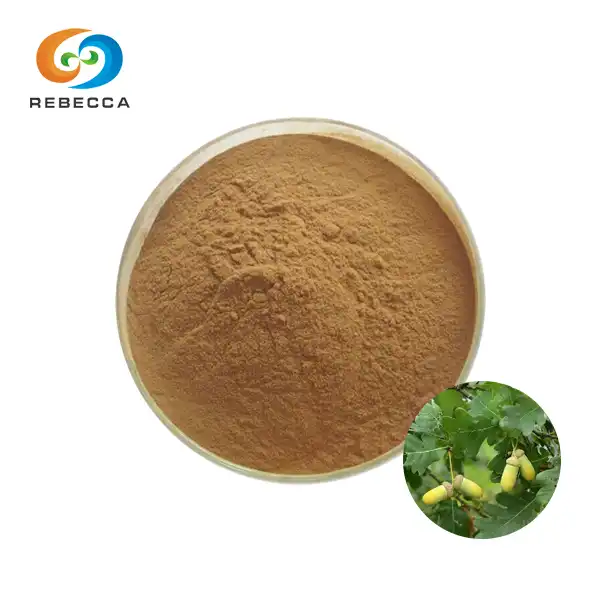
Ashwagandha, an effective herb in Ayurvedic pharmaceuticals, has gained ubiquity around the world for its various health benefits. At the heart of its strength lies withanolides, the key dynamic compounds that decide the quality and adequacy of Ashwagandha extricates. Understanding how withanolide substance impacts Ashwagandha extract quality is vital for both buyers and producers in the homegrown supplement industry. This comprehensive direct investigation investigates the relationship between withanolide concentration and extricate adequacy, making a difference you to make educated choices around Ashwagandha products.
Product Name:Withanolide
Latin Name:Withania somnifera (L.) Dunal
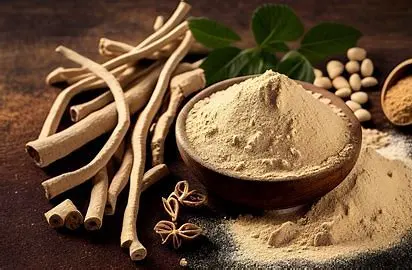
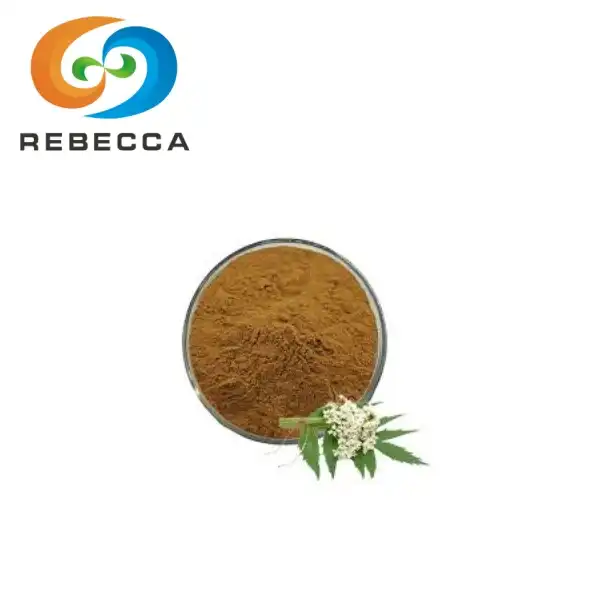
Appearance: brown yellow-Brown Powder
Part of used: Ashwagandha Root
Active ingredient: Withanolide
Extraction type:Solvent Extraction
CAS No.30655-48-2
Specification: 1.5% 2.5% 5% 20% HPLC.
The Importance of Withanolides in Ashwagandha Extracts
What Are Withanolides?
Withanolides are an unmistakable group of naturally occurring steroidal lactones essentially found in Ashwagandha (Withania somnifera), a conventional adaptogenic herb broadly utilized in Ayurvedic medicine. These bioactive compounds are considered the fundamental donors to Ashwagandha’s wide extend of helpful impacts, including stress-relieving, resistant support, and energy enhancement. The concentration and profile of person withanolides altogether impact the extract’s organic action and generally viability. As a result, withanolide substance is broadly recognized as an essential quality benchmark in the standardization of Ashwagandha extricates.
Exact estimation and control of withanolide levels offer assistance to producers to keep up batch-to-batch consistency, guaranteeing consistent quality and organic activity. This standardization handle improves item unwavering quality, and bolsters name claims, which is particularly imperative in dietary supplements and useful wellbeing products. By controlling withanolide concentration, formulators can convey steady, compelling products that meet regulatory requirements and shopper demand for proven high-quality natural ingredients.
Health Benefits Associated with Withanolides
Research has shown that withanolides offer a wide range of health benefits, including:
- Stress reduction and anxiety relief
- Improved cognitive function
- Enhanced physical performance and muscle strength
- Anti-inflammatory and antioxidant effects
- Support for immune system function
The concentration of withanolides in an Ashwagandha extricate directly determines its by and large quality and potential helpful benefits. Extricates with higher standardized withanolide levels are by and large related to upgraded natural movement, as these compounds are responsible for numerous of the herb’s adaptogenic and helpful properties. Steady withanolide concentration guarantees solid adequacy over distinctive item groups, permitting producers and customers to better evaluate execution. As a result, extricates with higher withanolide content are often as possible favored in premium Ashwagandha formulations since they give stronger and more dependable health benefits.
These high-standardized extricates are especially esteemed in applications where quantifiable results, such as push lessening, cognitive support, or physical perseverance, are sought. By concentrating the bioactive withanolides, producers can make items that provide reliable adequacy indeed at lower concentrations. This center is based on the hoisted withanolide substance, guaranteeing that customers get a more consistent, successful, and high-quality supplement that meets both clinical and wellness expectations.
Standardization of Withanolide Content
To ensure steady quality, strength, and restorative adequacy, legitimate withanolide suppliers carefully standardize their Ashwagandha extricates to contain exact rates of withanolides. This standardization guarantees that each bunch conveys unsurprising natural movement, making the extracts more dependable for utilize in dietary supplements and functional wellness products. Commonly accessible standardizations include 1.5%, 2.5%, 5%, and 20% add up to withanolides, depending on the expected application and desired strength.
The concentration of withanolides is regularly confirmed utilizing high-performance liquid chromatography (HPLC), an exact and widely acknowledged analytical method. By following these benchmarks, producers can keep up item consistency, back name claims, and guarantee ideal adequacy for consumers.
Factors Affecting Withanolide Content in Ashwagandha ExtractsCultivation Practices
The withanolide substance in Ashwagandha plants is emphatically influenced by developmental hones all through the developmental cycle. Soil composition, including mineral adjustment and natural matter, can impact the plant digestive system and the withanolide blend. Climate variables such as temperature, daylight introduction, and precipitation patterns, moreover, play a critical part in deciding bioactive compound aggregation. In expansion, the timing of collecting is basic, as withanolide levels change at distinctive development stages. Cautious rural administration, including soil enhancement, legitimate water system, and bother control, combined with idea harvester timing, plays a vital part in creating crude Ashwagandha extract with consistently high withanolide concentrations.
By observing plant development stages and natural conditions, ranchers can decide the exact minute when withanolide levels crest in the roots. This consideration for development detail guarantees that the gathered plants contain the most extreme bioactive compounds, giving a solid establishment for high-quality extricates. Such hone is basic for keeping up power, consistency, and by and large viability in Ashwagandha-based dietary supplements and functional health products.
Extraction Methods
The extraction prepare utilized to separate withanolides from Ashwagandha roots is pivotal for protecting their astuteness and maximizing concentration. Methods such as water extraction, hydroalcoholic extraction, or progressive dissolving strategies can create extricates with shifting withanolide profiles. Components counting extraction temperature, dissolvable sort, and term specifically impact proficiency and compound steadiness. A well-designed extraction strategy makes a difference in holding the full range of withanolides while minimizing debasement. Selecting suitable, standardized extraction forms is fundamental for creating high-quality Ashwagandha extricates with solid potency.
Storage and Handling
Proper capacity and handling of both crude Ashwagandha plant extract and wrapped extracts are fundamental to keep up withanolide stability. Withanolides are delicate to natural conditions, and delayed presentation to warm, light, oxygen, or dampness can accelerate decomposition. Lacking capacity may continuously decrease the extract’s strength and viability. Utilizing sealed shut, light-resistant bundling and keeping up controlled temperature and stickiness conditions can offer assistance protect compound judgment. Cautious dealing with all through preparing, capacity, and conveyance guarantees that the last item holds its expected withanolide substance and helpful value.
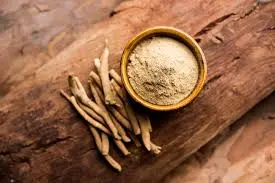
Evaluating Ashwagandha Extract Quality Based on Withanolide Content
Importance of Third-Party Testing
To guarantee the precision and validity of withanolide substance claims, third-party testing plays an imperative part in quality affirmation. Trustworthy withanolide and Ashwagandha extract providers routinely yield their products to free, licensed research facilities for comprehensive investigation. These tests confirm the real concentration of withanolides as well as the proximity of other key bioactive compounds, contaminants, and leftover solvents.
Autonomous confirmation makes a difference by affirming name claims, bolsters administrative compliance, and builds belief with formulators and conclusion buyers. Through standardized explanatory strategies such as HPLC, third-party testing guarantees batch-to-batch consistency and gives transparency over the supply chain. This level of quality control is particularly imperative in the dietary supplement and useful wellbeing businesses, where product quality specifically influences customer confidence and clinical outcomes.
Interpreting Withanolide Percentages
When surveying Ashwagandha extricates, understanding withanolide rates is fundamental for making educated quality comparisons. In spite of the fact that higher withanolide rates regularly propose a more concentrated extricate, they do not naturally demonstrate predominant quality or appropriateness for each application. The perfect withanolide level may change depending on the expected utilization, such as push back, cognitive work, or sports nutrition.
Greatly tall concentrations may also require cautious detailing to guarantee tolerability and adjust with other actually occurring constituents. Subsequently, assessing extract quality includes considering the by and large phytochemical profile, extraction strategy, and expected dose, or maybe than centering exclusively on a single numerical value.
Bioavailability Considerations
While withanolide content is a critical indicator of extract strength, bioavailability ultimately determines how effectively these compounds are absorbed and utilized by the body. Certain extraction techniques and delivery systems can improve withanolide solubility and stability, enhancing biological uptake. Formulation approaches such as optimized solvent extraction, carrier systems, or combination with supportive ingredients may further increase effectiveness. As a result, an extract with moderate withanolide content but high bioavailability can sometimes deliver better results than a higher-percentage extract with poor absorption. Evaluating both concentration and bioavailability ensures a more accurate assessment of overall extract performance.

Conclusion
The withanolide content in Ashwagandha extracts plays a pivotal role in determining their quality and efficacy. By understanding the factors that influence withanolide concentration and how to evaluate extract quality, consumers and manufacturers can make more informed decisions about Ashwagandha products. As research continues to unveil the full potential of withanolides, their importance in the realm of natural health supplements is likely to grow even further.
For those seeking high-quality Ashwagandha extracts with optimal withanolide content, partnering with a reputable supplier is essential. Shaanxi Rebecca Biotechnology Co., Ltd. stands out as a leading manufacturer and supplier of premium natural herbal extracts, including standardized Ashwagandha extracts. With our advanced production processes, strict quality control systems, and commitment to customer satisfaction, we deliver superior products that meet the highest industry standards. To learn more about our Ashwagandha extracts or other natural herbal products, please contact us at information@sxrebecca.com.
References
1. Singh, N., et al. (2011). An overview of oofashwagandha: A Rasayana (Rejuvenator) of Ayurveda. African Journal of Traditional, Complementary and Alternative Medicines, 8(5S).
2. Mirjalili, M. H., et al. (2009). Steroidal lactones from Withania somnifera, an ancient plant for novel medicine. Molecules, 14(7), 2373-2393.
3. Dar, N. J., et al. (2015). Pharmacologic overview of Withania somnifera, the Indian Ginseng. Cellular and Molecular Life Sciences, 72(23), 4445-4460.
4. Dhar, N., et al. (2015). Biotechnological approaches for increasing withanolide production in Withania somnifera (L.) Dunal. Plant Biotechnology Reports, 9(6), 451-464.
5. Kaur, N., et al. (2016). Withanolides: Potential bioactive compounds for cancer therapy. Phytochemistry Reviews, 15(5), 931-956.
_1730691017423.webp)