Synthetic Capsaicin, also known as nonivamide or pelargonic corrosive vanillylamide (PAVA), is a flexible compound with applications in different businesses. As request for this item develops, numerous businesses are looking to source it in bulk. This comprehensive direct will walk you through the process of finding solid providers, assessing item quality, and making educated purchasing choices for engineered capsaicin.
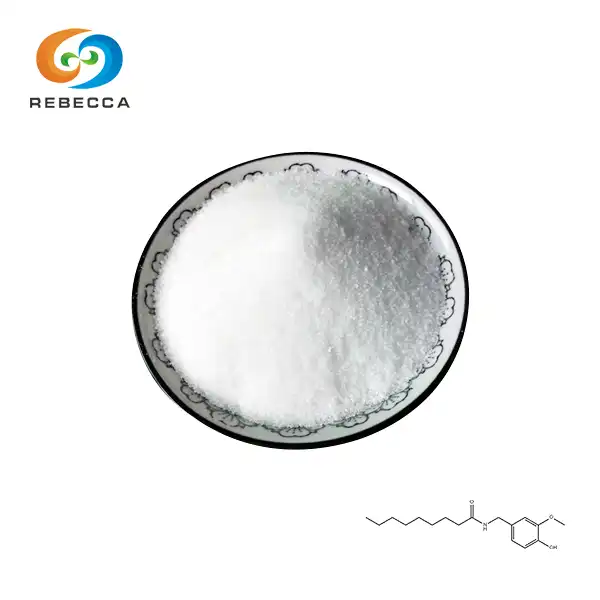
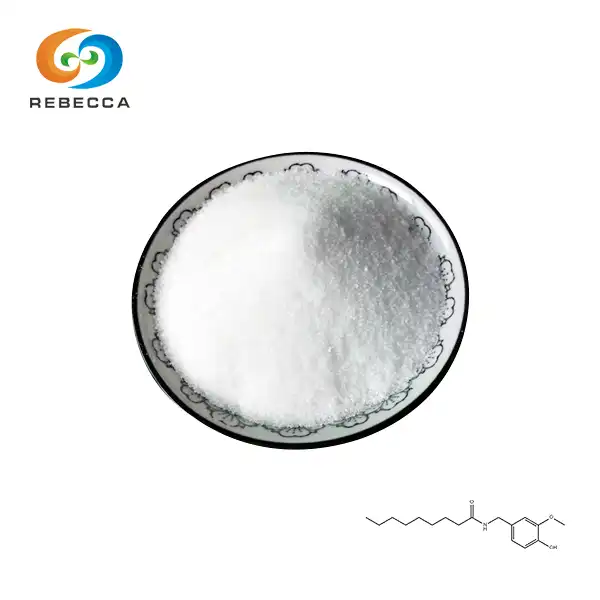
Product Name: nonivamide powder, Synthetic Capsaicin,
Pelargonic acid vanillylamide, Synthetic N-Vanillylnonamide
Specification: 70%, 95%, 99%, HPLC
Nonivamide CAS 2444-46-4
Nonivamide Professional Manufacturer and Supplier
Free Sample Available, MSDS Available
Understanding Synthetic Capsaicin and Its Applications
What is Synthetic Capsaicin?
Synthetic capsaicin is a laboratory-produced form of the naturally occurring compound found in chili peppers, designed to imitate the particular warmth and sharpness of characteristic capsaicin. Chemically indistinguishable or practically comparable, it conveys the same tangible incitement, whereas advertising altogether more prominent consistency in immaculateness and strength. Not at all like plant-derived capsaicin, which can change depending on edict conditions, climate, and extraction strategies, manufactured capsaicin is made under controlled conditions that guarantee uniform quality from clump to batch.
This high level of consistency makes manufactured capsaicin particularly alluring for businesses that require exact dosing and unsurprising execution, such as pharmaceuticals, makeup, food manufacturing, and personal defense items. In expansion, large-scale fabrication guarantees steady accessibility, decreases production and procurement costs, and bolsters standardized quality control. These points of interest streamline administrative endorsement forms and make manufactured capsaicin a tried and true, versatile arrangement for worldwide businesses compared with variable characteristic capsaicin sources.
Key Applications of Synthetic Capsaicin
Synthetic capsaicin finds use in various sectors, including:
- Pharmaceuticals: In pharmaceutical applications, manufactured capsaicin is broadly utilized in topical pain help products such as creams, patches, and gels. It works by fortifying tactile nerves and decreasing torment flag transmission over time, making it successful for conditions like joint pain, neuropathy, and muscle pain. Its controlled strength permits exact dosing, guaranteeing steady, helpful impacts while minimizing antagonistic skin reactions.
- Food and refreshment: In the food and refreshment industry, engineered capsaicin serves as a solid flavoring agent and zest enhancer. It gives reliable, warm, concentrated without the inconstancy related to common chili extricates. This steadiness is particularly profitable in handled nourishments, sauces, snacks, and refreshments, where uniform taste, batch-to-batch consistency, and unsurprising tactile profiles are basic for brand quality.
- Personal defense: Manufactured capsaicin is a key component in individual defense items such as pepper sprays and riot control operators. Its solid aggravation impact causes quick distress, transitory visual impairment, and respiratory aggravation, posing a difference discourage without permanent damage. Producers esteem its reliable quality, long rack life, and unsurprising execution, which are fundamental for security gear utilized in basic, high-stress situations.
- Agriculture: In agrarian applications, manufactured capsaicin is utilized in creature repellents and trim security items. Its serious sharpness prevents natural life from harming crops without depending on harmful chemicals. This makes it an ecologically neighborly alternative for securing areas, plantations, and capacity ranges while supporting sustainable farming and decreasing the risks caused by pests and diseases.
- Research: In logical investigations, engineered capsaicin is broadly utilized in neurological and torment administration studies. Analysts utilize it to examine torment pathways, nerve reaction components, and tangible receptor behavior. Its tall immaculateness and steady action make it perfect for controlled tests, making a difference in development understanding in neuroscience, pharmacology, and the advancement of unused pain therapies.
Advantages of Synthetic Capsaicin
Compared to natural capsaicin, synthetic capsaicin offers several benefits:
- Consistent potency and purity
- Scalable production
- Lower cost for bulk quantities
- Customizable formulations
- Reduced environmental impact
Identifying Reliable Synthetic Capsaicin Suppliers
Researching Potential Manufacturers
When sourcing synthetic capsaicin in bulk, it's crucial to identify reputable manufacturers. Start by:
- Online trade registries and specialized industry stages are compelling starting points for recognizing qualified providers and producers. These assets give company profiles, item ranges, certifications, and client audits, permitting you to rapidly compare capabilities. Utilizing channels such as area, generation scale, and compliance measures makes a difference in limiting down potential accomplices and advances the productivity of the provider choice process.
- Trade appears, and industry conferences offer important face-to-face opportunities to meet producers, merchants, and specialized specialists. These occasions permit you to assess item tests, talk about specialized necessities specifically, and survey a company’s polished skill and ability. Organizing at presentations also gives insights into showcase patterns, developments, and developing providers not effectively found through online searches.
- Industry affiliations and proficient systems are solid sources of trusted provider proposals. These organizations regularly keep up part registries and maintain certain quality or moral benchmarks. By leveraging affiliation referrals or peer suggestions, buyers can decrease sourcing dangers, pick up get to checked companies, and build relationships with experienced produce who meet their administrative and specialized requirements.
- Scientific diaries, licenses, and investigate papers regularly say providers of specialized materials utilized in considers. Checking on these distributions can offer assistance in distinguishing legitimate producers related to solid investigative teaching. Companies cited in peer-reviewed work frequently illustrate solid specialized competence, item consistency, and adherence to quality guidelines, making them strong dates for long-term collaboration.
Evaluating Supplier Credentials
Once you've identified potential suppliers, assess their credibility by considering:
- Years of experience in synthetic capsaicin production
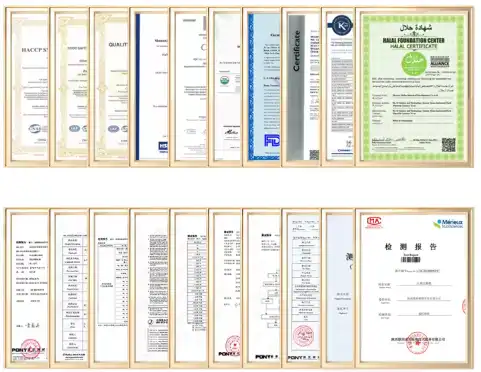
- Certifications (e.g., ISO, GMP, HACCP)
- Manufacturing capabilities and capacity
- Quality control processes
- Customer reviews and testimonials
Requesting Samples and Documentation
Before committing to a bulk purchase, always:
- Request product samples for testing
- Ask for a Certificate of Analysis (CoA)
- Review Material Safety Data Sheets (MSDS)
- Inquire about product specifications and purity levels
Navigating the Purchasing Process for Bulk Synthetic Capsaicin
Understanding Pricing Structures
Bulk pricing for synthetic capsaicin can vary based on factors such as:
- Quantity ordered
- Purity level (e.g., 70%, 95%, 99%)
- Customization requirements
- Packaging and shipping specifications
Request quotes from multiple suppliers to compare pricing and terms.
Negotiating Terms and Conditions
When finalizing your bulk synthetic capsaicin order, consider negotiating:
- Minimum order quantities
- Volume discounts
- Payment terms
- Delivery timelines
- Quality guarantees and return policies
Ensuring Compliance and Documentation
Before completing your purchase, verify that:
- Regulatory documentation: Ensure the supplier can provide complete and up-to-date regulatory documentation, including certificates of analysis, safety data sheets (SDS), technical specifications, and relevant compliance statements. Proper documentation demonstrates product legitimacy, supports regulatory inspections, and simplifies customs clearance. It also helps verify purity, handling requirements, and traceability, reducing legal and quality risks throughout procurement, transportation, and downstream manufacturing processes.
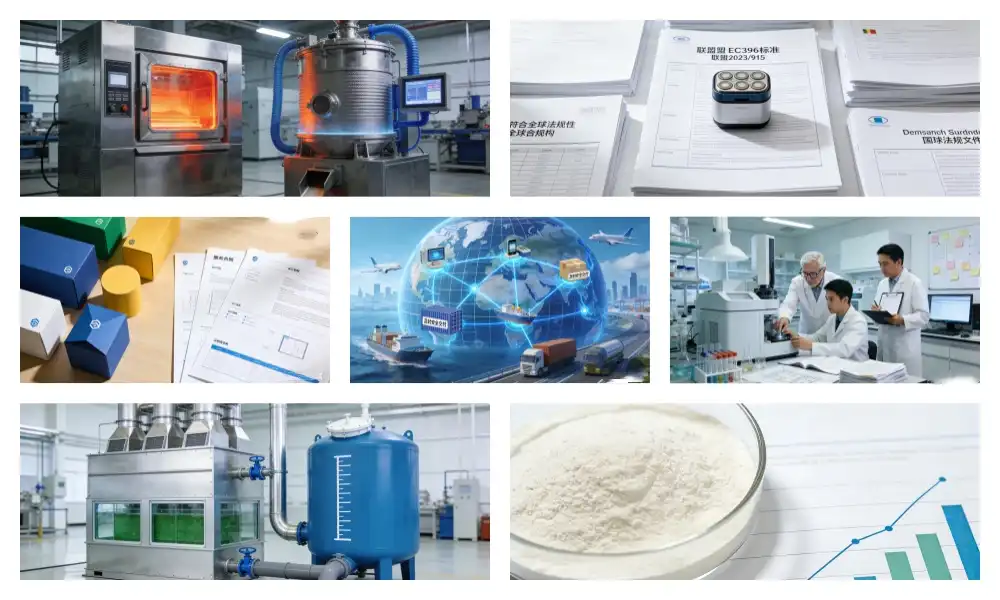
- Import regulation compliance: Confirm that the product fully complies with your country’s import regulations before placing an order. Different regions impose specific rules on chemical substances, including registration, labeling, and permitted uses. Verifying compliance in advance helps avoid shipment delays, customs rejections, or penalties. Working with an experienced supplier familiar with international trade requirements can significantly streamline the import process.
- Permits for handling and storage: Synthetic capsaicin often requires special permits for handling, storage, or use due to its irritant properties. Make sure you have the necessary licenses and trained personnel in place before receiving the material. Proper authorization not only ensures legal compliance but also promotes workplace safety, protects employees, and minimizes risks during storage, processing, and internal transportation.
- Shipping and packaging integrity: Proper shipping and packaging are essential to maintain product integrity during transit. The supplier should use sealed, chemical-resistant containers with clear labeling and protective outer packaging. Appropriate temperature control, moisture protection, and compliance with hazardous material transport guidelines help prevent contamination, leakage, or degradation, ensuring the product arrives safely and retains its intended quality.
Conclusion
Sourcing synthetic capsaicin in bulk requires careful consideration of supplier reliability, product quality, and regulatory compliance. By following this guide, you can navigate the process with confidence, ensuring a steady supply of high-quality synthetic capsaicin for your business needs. Remember to prioritize quality, safety, and consistency when selecting a supplier, and always verify product specifications before making a bulk purchase.
For businesses seeking a trusted partner in synthetic capsaicin supply, consider reaching out to experienced manufacturers like Shaanxi Rebecca Biotechnology Co., Ltd. With our commitment to quality, advanced production techniques, and customer-focused approach, we can help you meet your bulk synthetic capsaicin needs efficiently and reliably. contact us at information@sxrebecca.com to learn more about our synthetic capsaicin offerings and how we can support your business goals.
References
1. Smith, J. et al. (2022). "Advances in Synthetic Capsaicin Production and Applications." Journal of Agricultural and Food Chemistry.
2. Johnson, M. (2021). "Regulatory Considerations for Bulk Synthetic Capsaicin Sourcing." Pharmaceutical Technology.
3. Brown, L. (2023). "Quality Control Measures in Synthetic Capsaicin Manufacturing." Chemical Engineering Progress.
4. Garcia, R. et al. (2022). "Comparative Analysis of Natural vs. Synthetic Capsaicin in Industrial Applications." Industrial & Engineering Chemistry Research.
5. Wilson, K. (2023). "Global Market Trends in Synthetic Capsaicin Demand and Supply." Chemical Market Reporter.
_1730691017423.webp)







_1735529080429.webp)