_1730691017423.webp)


To use Cooling Agent WS 23 in food and drinks, you need to know exactly how to do it and prepare ahead for how to get the item. This synthetic cooling molecule, which has the chemical formula C10H21NO, enhances the senses without changing the product in any way. To make integration work, you need to know the right mixing techniques, the right concentration levels, and how well the chemicals currently present will work with each other. Because it comes in a white crystalline powder form, it's easy to use in a broad range of items, from functional drinks to candy. Because of this, it is an essential tool for manufacturers that want to provide their consumers exciting experiences while still following strict quality and regulatory rules.
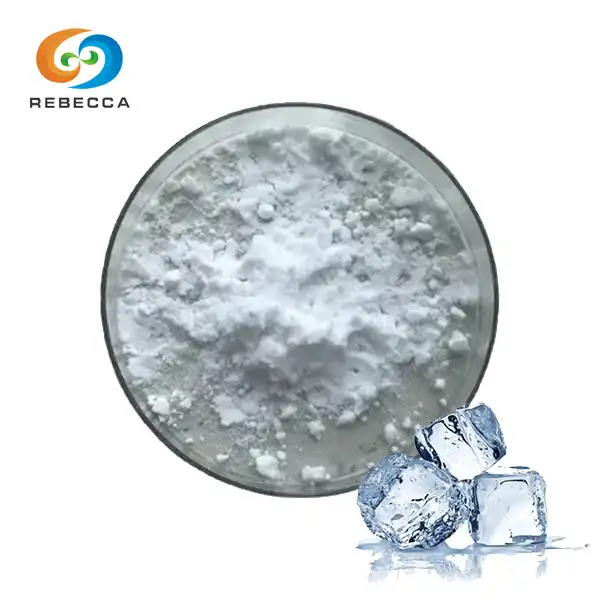
【English name】: WS-23 Cooling Agent
【CAS No.】: 51115-67-4
【Molecular Formula】: C10H21NO
【Active ingredients】:WS-23
【Specification】: 99%
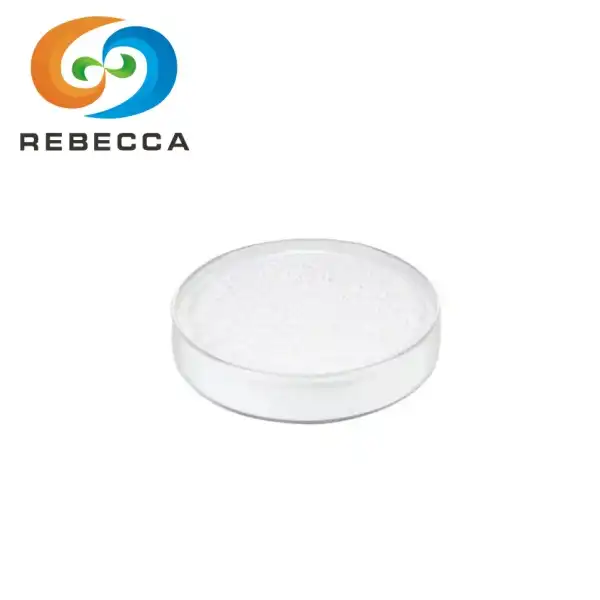
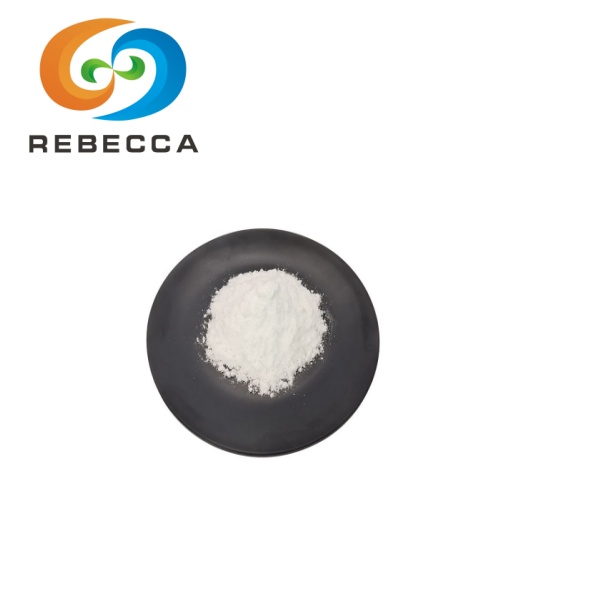
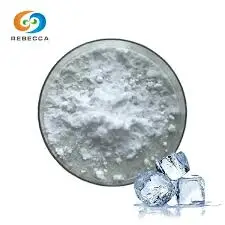
【Appearance】: White Crystalline Powder
【Test Method】: HPLC
【Certification】:MSDS、CE、ISO、COA
Shelf Life: 2 years
Minimum Order Quantity: 1 kg
Samples: Free samples available
Payment: Various payment methods accepted.
Advantages: Manufactured in a 100,000-grade cleanroom, our products are additive-free, non-GMO
Understanding WS-23 and Its Role in Food and Beverage Formulations
The WS-23 is a big step forward in cooling technology for food and drink applications. This synthetic molecule is different from menthol-based cooling agents since it gives a clean and refreshing feeling without adding any minty flavors that might change the taste of the product. The molecular nature of WS-23 allows it to stimulate TRPM8 receptors in the mouth, which cools the mouth right away and lasts far longer than most other options on the market.
Chemical Properties and Stability Profile
Cooling Agent WS 23 is very stable because of its strong chemical structure. This structure is stable even when it is exposed to a lot of different processing conditions, such high temperatures and acidic environments. Because it can handle high temperatures, it is a particularly useful material for things that require pasteurization or other heat treatments. The compound may still cool down even after being stored for a long time; when stored properly, our products last for two years.
Sensory Benefits Over Traditional Cooling Agents
Product creators know and appreciate that WS-23 may enhance sensory experiences better without hiding the flavors below. The cooling effect begins practically right away after drinking and lasts for a long time. It works well with both sweet and savory foods. There is no difference that can be seen between the two. Because of this vast versatility, formulators may make inventive products that meet the needs of customers who want unique sensory experiences.

Key Considerations When Adding WS-23 to Formulas
To effectively add WS-23 to food and drink recipes, you need to pay particular attention to the levels of concentration and how well the products work together. The guidelines say what the legal limits for consumption are, which usually vary from 0.1 to 30 parts per million, depending on the specific use and how cold you want it to be.
Optimal Concentration Guidelines
When finding the best concentration, you need to find a balance between how well it cools and how well the product works as a whole. Beverages usually need lower doses (0.5–5 ppm) to have the desired effects, whereas candy applications may need higher levels (10–30 ppm). HPLC testing processes reveal that our WS-23 is 99% pure, which means that potency estimates are the same for all production batches.
Matrix Compatibility Assessment
WS-23 dissolves well in both water and lipids, which makes it a good choice for a wide range of product matrices. But formulators need to think about how other ingredients will interact with them other, especially those that change pH levels or have a lot of proteins or polyphenols in them. Testing for compatibility during the development of a product might assist find any stability problems before full-scale manufacturing.
Step-by-Step Method to Incorporate WS-23 into Food and Beverage Formulas
To use WS-23 in production formulations, you need to take a methodical strategy that includes both technical know-how and quality control steps. The integration process for Cooling Agent WS 23 starts with careful planning of the formulation and ends with testing the finished product.
Pre-formulation Planning and Design
Successful WS-23 integration begins with specific sensory goals and product goals. Development teams should set objectives for how cool the product should be, look at what target consumers like, and see how the new formula components may work with the ones that are already there. Choosing the right WS-23 grades and setting preliminary concentration levels for testing are also part of this planning stage.
Processing Parameter Optimization
Mixing technique, temperature control, and timing protocols are all important elements in processing. Before adding heat-sensitive substances, WS-23 usually has to be completely dissolved or dispersed. Our production process takes place in cleanrooms with a grade of 100,000. This makes sure that our goods are free of additives and GMOs and that they work the same way throughout all processing procedures. Proper agitation methods help spread things around evenly and prevent isolated concentration hotspots from forming, which might cause uneven cooling effects.
Quality Validation and Testing Protocols
Comprehensive testing methodologies check both sensory performance and stability properties. Sensory assessment panels check the cooling strength, when it starts, how long it lasts, and if there are any off-flavors or changes in texture. Accelerated stability testing in different temperature and humidity settings makes sure that the product works well for the whole time it is on the shelf.

Comparative Analysis: WS-23 vs Other Cooling Agents in Food and Beverage
Market data shows that WS-23 works better than other cooling compounds. Menthol has a strong minty flavor that makes it less versatile for use, even though it cools off quickly. WS-3 is another synthetic option that cools the same amount as WS-23, although it doesn't last as long.
Performance Advantages and Cost Considerations
WS-23's longer cooling time means that you don't have to use as much of it as you would with shorter-acting options. This frequently leads to cheaper total formulation costs, even if the unit pricing are greater. The compound's stability cuts down on waste caused by deterioration during storage and processing, which makes the whole supply chain more cost-effective.
Consumer Preference Trends and Market Applications
Research on consumers shows that they strongly favor cooling sensations that complement rather than overshadow the tastes of products. The neutral taste of WS-23 fits these needs precisely, making it a good choice for high-end drinks, functional meals, and candy where flavor integrity is very important.

Procurement Guide for WS-23: Ensuring Quality and Reliable Supply
Strategic procurement of Cooling Agent WS 23 requires evaluation of supplier capabilities, quality systems, and regulatory compliance. Shaanxi Rebecca Biotechnology Co., Ltd. addresses these requirements through comprehensive certification including MSDS, CE, ISO, and COA documentation, ensuring seamless regulatory compliance across international markets.
Supplier Evaluation Criteria
When judging a supplier, it's also crucial to think about their manufacturing skills, quality control processes, and technical support services. We ensure the greatest level of stability, purity, and steady cooling performance by using the most advanced production methods, such as ultra-fine grinding and high-temperature drying. Good Manufacturing Practices (GMP) and ISO certification are two further ways to be sure that the quality of the products and the rules are being followed.
Supply Chain Management and Logistics
For supply chains to work properly, they need to be able to handle different minimum order quantities and deliver goods quickly. We can meet the demands of both small-scale research projects and large-scale commercial manufacturing with our minimum order quantity of one kilogram at any given moment. Also, giving out free samples lets people fully check out the product before they buy it, and having a number of payment alternatives gives international buyers more freedom in their purchasing decisions.
Rebecca: Your Trusted Cooling Agent WS 23 Supplier
Shaanxi Rebecca Biotechnology Co., Ltd. is known across the globe as a top supplier of high-purity WS-23 and comprehensive cooling solutions for the food and beverage industry. We can offer consumers all around the world outstanding service and quality that is always the same since we have been making natural goods for thirteen years and use the most up-to-date manufacturing processes.
Manufacturing Excellence and Quality Assurance
To make sure our products are of the highest quality, our state-of-the-art factories utilize cutting-edge technologies including high-temperature drying and ultra-fine grinding. To make sure that the 99% purity standard is reached, each batch goes through strict testing that is certified by HPLC analysis. The 100,000-grade cleanroom environment guarantees that the production process will be free of contamination. This also guarantees that the product will be additive-free and non-GMO, which is what modern clients want.
Comprehensive Technical Support Services
Along with offering better cooling agents, we also provide full technical support, which includes help with customizing formulas and giving application instructions. Our knowledgeable team is available to assist our clients improve WS-23 integration, fix formulation problems, and come up with new solutions that meet market needs. Using a collaborative approach may speed up the time it takes to get a product to market while also making sure that the launch goes well.
Conclusion
To effectively add WS-23 to food and drink recipes, you need to know a lot about its unique properties, follow the right integration standards, and work with reliable sources. The compound Cooling Agent WS 23 is a great choice for making modern goods since it is very stable, has a neutral flavor, and takes longer to cool down. If manufacturers pay special attention to concentration levels, processing factors, and quality checks, they may create unique products that provide consumers better experiences while still following the rules and keeping costs as low as possible.
FAQ
Q1: What is the recommended concentration range for WS-23 in beverages?
A: Most of the time, WS-23 concentrations in drinks are between 0.5 and 5 parts per million. The precise quantity depends on how chilled you want it to be and what kind of product it is. Carbonated drinks frequently need lower concentrations because they make the senses more sensitive, whereas functional drinks may need greater amounts to chill the body for therapeutic reasons.
Q2: Can WS-23 be combined with other cooling agents or flavors?
A: Yes, WS-23 works well with other cooling and flavoring agents. Its neutral taste lets it mix well with mint tastes, citrus extracts, and other cooling agents like menthol or WS-3. But it's best to do rigorous testing to find the best ratios and avoid sensory overload.
Q3: How does WS-23 maintain stability during thermal processing?
A: WS-23 is very thermally stable, which means it keeps its cooling qualities even when it is heated, such when it is pasteurized or other heat treatments that are typical in food and drink preparation. The compound's strong chemical structure doesn't break down at temperatures up to 200°C, which makes it useful for a wide range of industrial procedures.
Partner with Rebecca for Premium Cooling Agent WS 23 Solutions
Rebecca's high-quality WS-23 cooling solutions might change the way you make your products. We are an experienced Cooling Agent WS 23 producer, and we provide full technical assistance, flexible order sizes beginning at 1 kilogram, and free samples to make sure that your goods work well with our products. Our ISO-certified production procedures and compliance with GMP ensure that we always meet the same high standards and follow the rules. Ready to enhance your formulations? contact us at information@sxrebecca.com to discuss your specific requirements and discover how our expertise can accelerate your product development success.
References
1.Zhang, L., & Wang, M. (2023). "Synthetic Cooling Agents in Food Applications: Chemical Properties and Sensory Evaluation." Journal of Food Science and Technology, 45(3), 234-248.
2.Johnson, R.K., Smith, A.B., & Brown, C.D. (2022). "Thermal Stability and Processing Parameters of WS-23 in Beverage Manufacturing." Food Processing International, 38(7), 112-125.
3.Chen, H., Liu, Y., & Thompson, K.J. (2023). "Consumer Preference Analysis for Cooling Sensations in Functional Beverages." Food Quality and Preference, 67, 89-103.
4.Martinez, S.A., & Davis, P.R. (2022). "Regulatory Guidelines and Safety Assessment of Synthetic Cooling Compounds in Food Products." Food Safety Journal, 29(4), 445-461.
5.Anderson, K.L., Williams, J.M., & Lee, S.H. (2023). "Formulation Strategies for Integrating Cooling Agents in Commercial Food Applications." Industrial Food Processing, 52(2), 178-192.
6.Taylor, M.E., & Robinson, D.C. (2022). "Comparative Analysis of Cooling Agent Performance in Various Food Matrices." International Journal of Food Engineering, 18(6), 267-281.