_1730691017423.webp)

How Alpha Lipoic Acid Helps Manage Diabetic Neuropathy?
Diabetic neuropathy is a common and often debilitating complication of diabetes that affects millions of people worldwide. This nerve-related condition can cause discomfort, numbness, and tingling sensations in the extremities, significantly affecting daily activities and overall well-being. Fortunately, growing research suggests that alpha lipoic acid, a widely studied antioxidant, may help support nerve health and improve neuropathy-related symptoms. Let's explore how the best α lipoic acid powder may assist in managing this challenging diabetic condition.
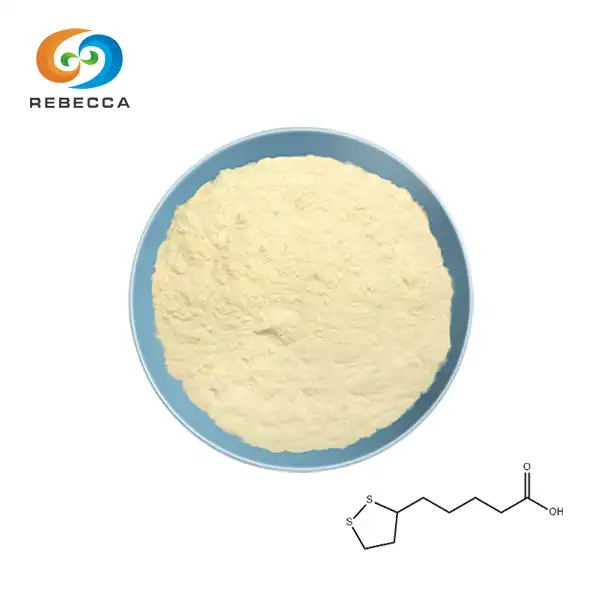
Α Lipoic Acid Powder
Product Name:alpha lipoic acid
CAS No.:1077-28-7
Specification:99%
Test Method:HPLC
Appearance:Light yellow to yellow powder
Water soluble:Low solubility in water, about 1 g/L (20°C)
Function:Antioxidants and enzymes such as pyruvate dehydrogenase.
Application:Health care and medicine.
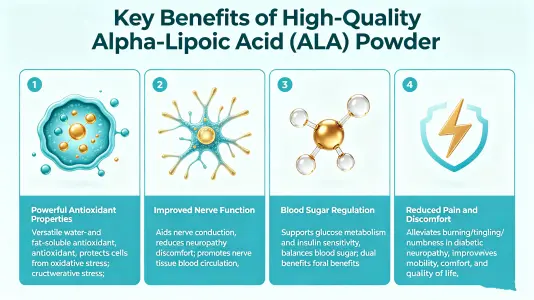
Top Benefits of the Best Α Lipoic Acid Powder
Alpha lipoic acid (ALA) is a naturally occurring compound involved in cellular energy metabolism. When used as a dietary supplement, it may provide several supportive benefits for individuals experiencing diabetic neuropathy symptoms:
Potent Antioxidant Properties
ALA is considered a versatile antioxidant because it is both water and fat-soluble, allowing it to function throughout different parts of the body. This characteristic may help protect cells from oxidative stress. For diabetic individuals, this support is especially important because elevated blood glucose levels are associated with increased oxidative damage and free radical formation.
Improved Nerve Function
Clinical studies suggest that ALA may support nerve conduction and help reduce neuropathy-related discomfort. It may contribute by supporting circulation to nerve tissues and helping reduce oxidative stress responses. These effects could assist in maintaining healthier nerve function in individuals affected by diabetes-related nerve complications.
Blood Sugar Regulation
Best Α Lipoic Acid Powder may help support glucose metabolism and insulin sensitivity, contributing to improved blood sugar balance. This combined role of supporting nerve health while also assisting glucose management makes ALA a valuable nutritional ingredient for many diabetic individuals.
Reduced Pain and Discomfort
Some people with diabetic neuropathy report improvements in burning sensations, tingling, and numbness after adding ALA supplements to their wellness routine. Reduced discomfort may contribute to better mobility, improved daily comfort, and enhanced quality of life over time.
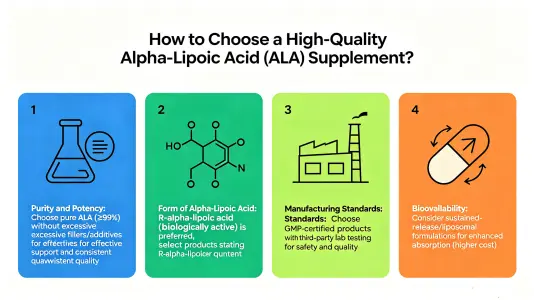
How to Choose Quality Α Lipoic Acid Supplements?
When selecting an alpha lipoic acid supplement, choosing a reliable and high-quality product is essential for effectiveness and consistency. Here are several important factors to evaluate:
Purity and Potency
Choose supplements containing pure alpha lipoic acid without excessive fillers or unnecessary additives. The α-Lipoic Acid should provide high purity levels, commonly around 99%, to help ensure effective nutritional support and consistent product quality.
Form of ALA
Alpha lipoic acid is available in two forms: R-ALA and S-ALA. The R form is the naturally occurring biologically active form produced within the body. Although many supplements contain a combination of both forms, some evidence indicates that R-ALA may offer improved bioavailability. Consider products that clearly specify their R-ALA content.
Manufacturing Standards
Select supplements manufactured by trusted companies that follow Good Manufacturing Practices (GMP). These standards help ensure product consistency, safety, and quality control. Certifications and third-party laboratory testing can also provide additional confidence when evaluating product reliability.
Bioavailability
Bioavailability is another important consideration when choosing ALA supplements. Certain delivery formats, including sustained-release or liposomal formulations, may improve absorption and extend activity within the body. However, these advanced formulations may also increase product cost, so consider your individual preferences and budget.
Dosage Tips for Diabetic Neuropathy Relief
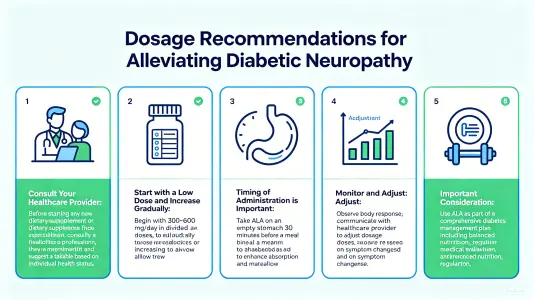
Although alpha lipoic acid has shown encouraging potential in supporting diabetic neuropathy management, proper usage remains important for achieving the best results. Consider the following dosage recommendations:
Consult Your Healthcare Provider
Before beginning any new dietary supplement, especially for individuals with diabetes or those taking medications, consultation with a healthcare professional is recommended. A qualified provider can help determine whether ALA supplementation is appropriate and advise suitable dosage levels according to personal health conditions.
Start Low and Go Slow
When first using ALA supplements, many individuals begin with a lower dosage and gradually increase intake. This gradual approach allows the body time to adapt and may help reduce the possibility of unwanted side effects. Common introductory doses range between 300-600 mg daily, typically divided into multiple servings.
Timing Matters
For improved absorption, α-Lipoic Acid supplements are often taken on an empty stomach approximately 30 minutes before meals. Proper timing may help maximize bioavailability and support more consistent effectiveness.
Monitor and Adjust
Observe how your body responds during supplementation. Some individuals may notice benefits at relatively lower doses, while others may require higher intake levels for additional support. Regular communication with a healthcare provider can help determine the most appropriate dosage adjustments based on symptom changes and individual response.
Best Α Lipoic Acid Powder provides a promising nutritional option for individuals seeking support for diabetic neuropathy symptoms. Its antioxidant activity, combined with its role in supporting nerve function and glucose metabolism, makes it a valuable addition to many diabetic wellness routines. By selecting a quality supplement and following appropriate dosage practices, individuals may experience improved comfort and better daily support.
It is important to remember that ALA supplementation should complement a broader diabetes management plan that includes balanced nutrition, regular exercise, medical supervision, and prescribed treatments. Working closely with healthcare professionals can help ensure the most suitable strategy for individual health goals.
Conclusion
Best Α Lipoic Acid Powder continues to attract attention as a supportive ingredient for individuals dealing with diabetic neuropathy. Its multiple functional properties, including antioxidant protection, nerve support, and glucose metabolism assistance, make it a beneficial option within comprehensive diabetic wellness programs. Choosing high-quality supplements and following suitable intake recommendations may help individuals support nerve health and overall well-being.
As ongoing research continues to explore the potential applications of alpha lipoic acid, this widely used compound remains an important focus in diabetic nutritional support. Whether you are exploring ALA supplementation for the first time or optimizing your current routine, staying informed and consulting healthcare professionals are important steps toward better long-term wellness.
For more information about our high-quality alpha lipoic acid powder and other natural herbal extracts, please contact us at information@sxrebecca.com. Our professional team is available to provide additional product information and support for your ingredient and supplement needs.
References
1. Ziegler D, et al. "Alpha-lipoic acid in the treatment of diabetic peripheral and cardiac autonomic neuropathy." Diabetes Care. 2007.
2. Papanas N, Ziegler D. "Efficacy of α-lipoic acid in diabetic neuropathy." Expert Opinion on Pharmacotherapy. 2014.
3. Mijnhout GS, et al. "Alpha lipoic acid for symptomatic peripheral neuropathy in patients with diabetes: a meta-analysis of randomized controlled trials." International Journal of Endocrinology. 2012.
4. Vallianou N, et al. "Alpha-lipoic Acid and diabetic neuropathy." The Review of Diabetic Studies. 2009.
5. Packer L, et al. "Molecular aspects of lipoic acid in the prevention of diabetes complications." Nutrition. 2001.