_1730691017423.webp)

Does the Interaction Between Saw Palmetto and Anticoagulants Increase the Risk of Bleeding?
Based on what we know now, using saw palmetto extract with blood thinners doesn't pose a high risk of bleeding that is clinically significant. There are some theoretical worries about the extract's fatty acid profile and how it might affect platelet function, but systematic reviews and clinical studies show that there have only been a few recorded cases of bad bleeding events. The interaction is still only a theory and hasn't been proven beyond a reasonable doubt. However, people who take blood-thinning medicines should still be careful when making decisions about what to buy and how to make products for those people.
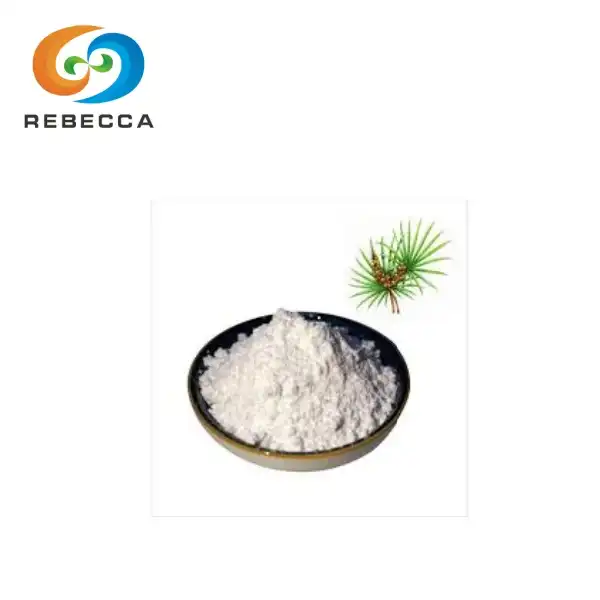
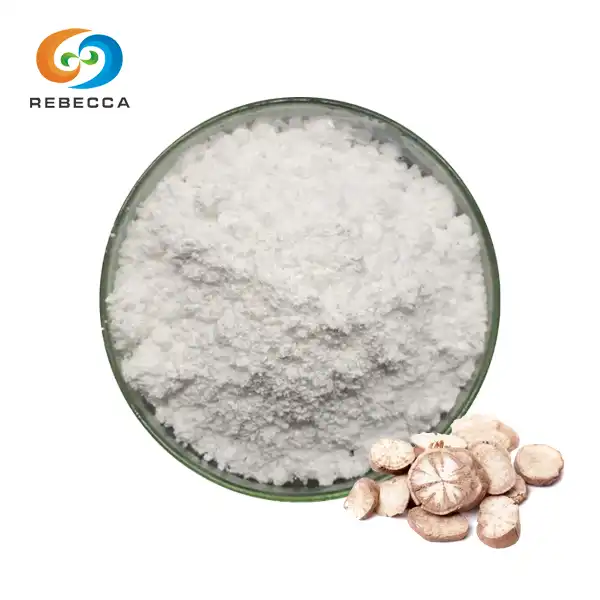
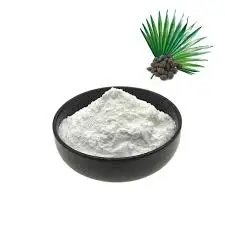
English name: Saw palmetto extract
Latin Name: Serenoa Repens /Sabal Serrulata/SERENOA SERRULATA
Active ingredients: fatty acid
Specification: 25% 45%
Use Part : Fruits
Appearance: Off-white to White fine powder
Mesh size:80 Mesh
Test Method: GC
Comprehending Saw Palmetto Extract and Anticoagulants
Botanical Origins and Active Compounds
Serenoa repens is the formal name for saw palmetto extract. It is a small palm plant that grows naturally in the southeastern United States. The plant's leaves contain an extract that is high in phytosterols and fatty acids, especially beta-sitosterol. These are the main bioactive chemicals. These lipophilic ingredients have been shown to block 5-alpha-reductase, which makes them useful in formulas that treat benign prostate hyperplasia and androgenetic baldness.
Rebecca is an expert at processing these berries using cutting-edge supercritical CO2 extraction and spray-drying methods to turn the natural oil into a standard powder. Formulators have a big problem: they need to make sure that solid dosage forms can still work with precise fatty acid ratios, which are usually standardized to 25% or 45%. This change solves that problem.

Anticoagulant Mechanisms and Inherent Risks
Thromboembolic events can be avoided with a wide range of medicines called anticoagulants. Warfarin is the vitamin K blocker that has been studied the most. It works by stopping the production of clotting factors II, VII, IX, and X. Some oral anticoagulants, like apixaban and rivaroxaban, work by blocking selective factor Xa. Dabigatran, on the other hand, works directly on thrombin.
Each group has its own risks for bleeding because of how the drugs work to treat the condition. About 2% to 4% of patients will have major bleeding problems every year. The most dangerous ones are gastrointestinal and intracranial hemorrhages. It is important to know this baseline risk when figuring out if botanical supplements might make these risks worse.
Theoretical Biochemical Pathways of Interaction
Concerns about saw palmetto extract come from the fact that it contains fatty acids. The main types of lipids are lauric, myristic, and oleic acids. Some lab studies have shown that fatty acids may affect platelet clumping by changing the prostaglandin pathway. Beta-sitosterol is another important part that has a structure similar to cholesterol and could, in theory, change how flexible the membranes of platelets are.
However, the quantity needed to show measurable antiplatelet effects in a lab setting is much higher than what is normally achieved through nutrition. When these chemicals are made as a powder instead of an oil, they are more bioavailable. This affects how they are absorbed by the body and how they might interact with clotting pathways.
Scientific Evidence on Saw Palmetto and Bleeding Risk
Clinical Study Findings and Case Reports
A thorough study of the literature shows that saw palmetto extract has been linked to surprisingly few recorded cases of bleeding when combined with blood thinners. One well-known case report from 2006 talked about a person who took both warfarin and saw palmetto and had higher international normalized ratio values and surgery bleeding. However, the exact cause of these events was still unclear because of many other factors that could have been at play.
After that, prospective studies have not been able to show uniform effects on coagulation markers. Men who took warfarin and normal saw palmetto extract preparations in a randomized study did not have any statistically significant changes in their INR levels over a 12-week time. These results show that under controlled settings, clinically meaningful interactions don't happen very often, if at all.
Given how commonly these goods are used, the fact that there aren't many recorded side effects stands out. Millions of people in the US alone take saw palmetto extract pills every year, which means there are a lot of chances to find interactions if the risk is high. The fact that there isn't a proportional signal in pharmacovigilance records says that the frequency is thankfully very low.‘

’Comparative Analysis with Other Botanical Supplements
Compared to other herbal items, saw palmetto extract has a good safety rating when it comes to the risk of bleeding. Multiple studies have shown that ginkgo biloba, garlic extract, and ginger pills can lower blood platelet levels, which has caused more worry. Platelet-activating factor can be inhibited by ginkgo in a dose-dependent way, and several case studies have shown that it can cause bleeding problems.
Pumpkin seed oil, which is another plant that is often mixed with saw palmetto extract in prostate health products, does not seem to have much of an effect on blood clotting. Beta-sitosterol has not been definitively linked to more blood in clinical groups, whether it comes from saw palmetto extract or soy. This comparison helps buying teams figure out how risky different ingredient combinations are.
Dosage Form Considerations and Bioavailability
The way saw palmetto extract looks has a big effect on how bioavailable it is and how it might mix with other substances. Powder formulas that use carrier matrices like maltodextrin or cyclodextrin may have different absorption rates than traditional softgel preparations that contain lipophilic extracts. The microencapsulation method we use makes a solid form with different dissolving properties, which might lower the highest levels of fatty acids in the blood.
This technology difference has real-world effects on B2B clients who are making goods for vulnerable groups. In theory, controlled-release technologies and powder forms may be better because they avoid sudden changes in systemic exposure that could temporarily affect the hemostatic function. But there aren't many straight comparative studies that look at the risk of bleeding in different delivery methods yet.
Practical Implications for B2B Procurement and Product Development
Quality Assurance and Supplier Certification Requirements
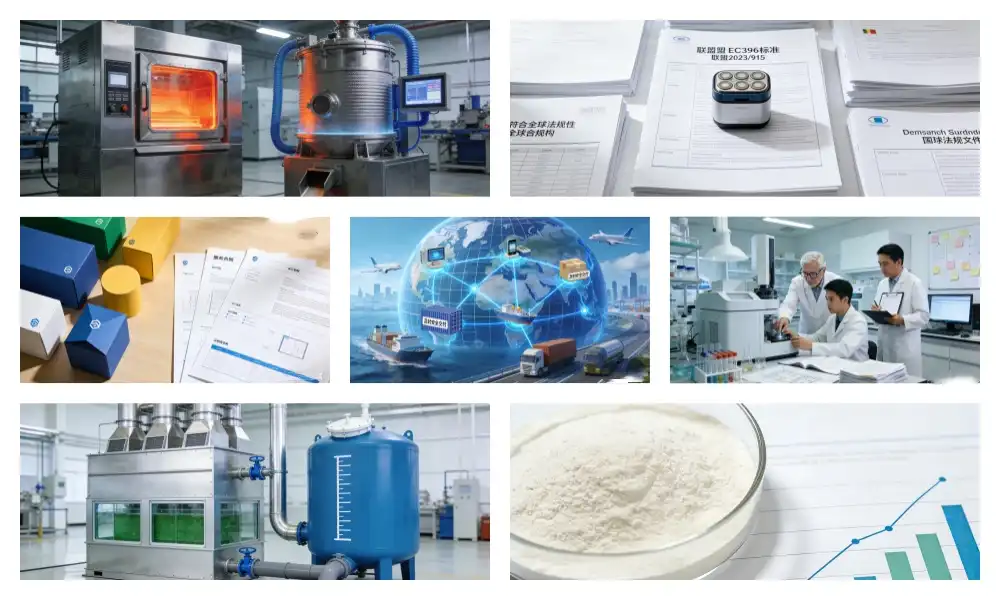
When buying saw palmetto extract in bulk, procurement teams must make sure that sellers have strict quality systems in place to make sure that the product is safe and consistent. GMP certification is the basic requirement, especially when selling drug companies or over-the-counter (OTC) makers who are aiming at people who have complicated medicine schedules. These standards make sure that the fatty acid profiles are the same from batch to batch and that there are no additives that could change the clotting process on their own.
When making goods for people who are anticoagulated, heavy metal tests and pesticide residue analysis become even more important because these people often have more than one health problem and are more likely to be affected by contaminants. The certificate of analysis should list the amounts of lead, cadmium, mercury, and arsenic that are below the standards set by international organizations. It should also include full herbicide screening panels.
Traceability methods that connect finished extracts to the plants from which they came allow for confirmation of the species' identity and the growing conditions. We keep full chain-of-custody records from our cultivation partners to the release of the finished product. This gives pharmaceutical buying teams the clarity they are looking for more and more. This proof is very important when submitting to regulatory bodies in markets that need to confirm plant identity.
Evidence-Based Dosage Guidelines for Formulation
Standardized lipophilic extract amounts of 160 mg to 320 mg per day are usually used in clinical tests to show that the drug works for benign prostatic hyperplasia. When making goods that people who take blood thinners might use, keeping doses within this set range lowers the possible interaction risk while keeping the therapeutic potential.
The uniformity % has a big effect on how much to dose. A powder that is standardized to 25% fatty acids needs relatively more of it than a powder that is standardized to 45% fatty acids in order to have the same amount of medicinal content. Our expert team gives formulation advice and helps clients figure out the right inclusion rates based on the amount of standardization they want and the strength of dosage they want.
Regulatory Landscape Across Global Markets
The DSHEA dietary supplement rules in the US set fairly lax standards for saw palmetto extract products, but the FDA is taking more and more action against companies that make disease claims or don't report major adverse events. Products sold to improve prostate health have to carefully walk the line between claims about structure and function and claims that the product can treat diseases, which are not allowed.
European Union rules put in place through directive frameworks have tighter requirements, especially when it comes to the status of novel foods and the highest amounts that can be given. Some member states keep national lists that limit the amount of saw palmetto extract that can be used or require warning signs when it is mixed with certain types of medications. When European brands are supplied by procurement teams, they have to make sure that the products meet the needs of the target market, which can be very different from one state to the next.
International certificates, such as ISO 22000 and HACCP, give importers who handle deals across borders extra peace of mind. Our plant keeps these certifications up to date, along with organic certifications from the USDA and the EU. This lets our clients reach high-end markets that value chemical-free and environmentally friendly production methods.
Mitigating Interaction Risks: Best Practices for B2B Clients
Supplier Selection Criteria and Evaluation
When looking for reliable saw palmetto extract providers, you need to look at more than just price. Manufacturing experience with lipophilic plant products shows that you have the technical know-how to deal with the unique problems these materials bring up. Suppliers should show that they know how to optimize extraction, use standardization methods, and test stability in a range of storing circumstances.
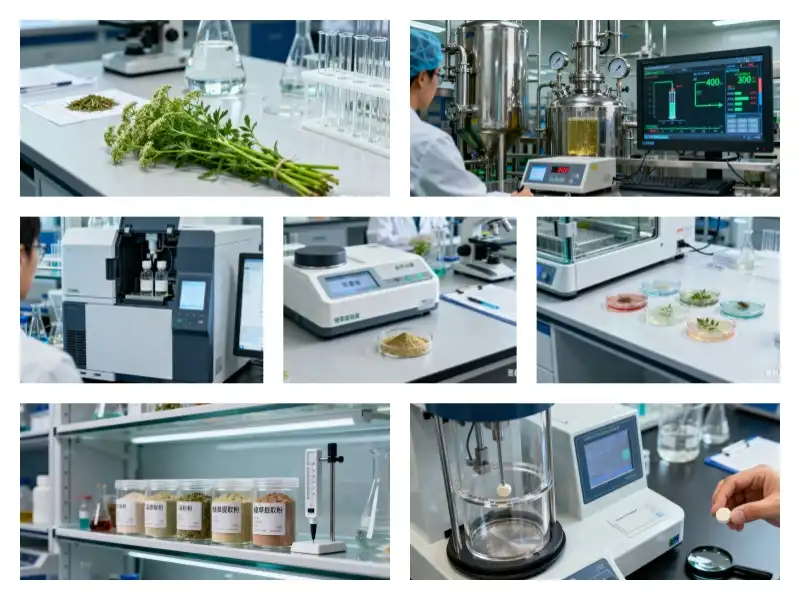
Another important thing to look at when judging someone is their analytical skills. With HPLC, GC-MS, and ICP-MS instruments in-house labs, full fingerprinting of fatty acid profiles and contamination screening can be done without having to wait for tests to be done by a third party. This system makes it possible to quickly release groups of files and quickly look into quality issues when they come up.
Differentiating great suppliers from commodity vendors is customer support infrastructure that is designed for business-to-business partnerships. Technical service teams that can talk about formulation problems, give stable data, and suggest the right grades for different uses add a lot of value on top of the raw material deal. We have specialized account managers who know how to meet the specific needs of pharmaceutical, nutritional, and cosmetics uses.
Formulation Innovation Strategies
When you mix saw palmetto extract with ingredients that work well with it, you get formulations that work better together and may help with healing in more than one way. Beta-sitosterol that comes from different plants provides phytosterol content without relying only on saw palmetto extract. This could allow lower doses to be used while still being effective. There are different anti-inflammatory chemicals in nettle root powder that help prostate health in different ways.
When making medicines for people who take blood thinners, controlled-release methods should be looked into. It is possible that matrix-based delivery methods that slowly release fatty acids could lower peak plasma concentrations compared to versions that release the fatty acids right away. There isn't a lot of clinical evidence that controlled release lowers the chance of bleeding, but this method is in line with conservative safety principles.
Powder formulations offer distinct advantages over oil-based softgels when creating complex multi-ingredient products. The saw palmetto extract powder we manufacture through spray-drying onto carrier materials enables homogeneous blending with other dry ingredients, preventing phase separation issues that could affect the consistency of the content. This structure works especially well for making tablets, where adding liquid makes things more complicated technically and raises worries about stability.
Labeling and Consumer Education Requirements
• Transparent labeling practices: Labeling methods that are clear help with both following the rules and managing risks. Products with saw palmetto extract should have clear warnings telling people to talk to their doctors before taking them together with blood thinners. Even though there isn't a lot of solid proof of interaction yet, this precautionary statement shows that the brand is being good with its money and keeps its image safe.
• Detailed product information sheets: Giving wholesalers and stores detailed product information sheets makes sure that everyone in the supply chain can communicate clearly. These materials should include a summary of what scientists know about possible interactions right now, talk about both theoretical worries and reassuring clinical data, and list cases where you should see a doctor. With educational materials, your brand can be seen as a reliable expert that puts customer safety first.
• Batch-specific certificates of analysis: Batch-specific certificates of analysis should be given to B2B clients on a regular basis, especially those who work with the pharmaceutical or clinical markets. These papers make sure that the material that was sent fits the agreed-upon standards for fatty acid content, bacteria limits, and the lack of contaminants. When a batch is released by our quality assurance system, these certificates are generated immediately.
Future Trends and Opportunities in Saw Palmetto Extract Market
Emerging Research and Therapeutic Applications
Recently, researchers have started to look into saw palmetto extract's uses beyond hair and prostate health. Because it is made up of fatty acids, it has anti-inflammatory qualities that make it a possible ingredient in formulas for treating chronic inflammatory diseases. Early research looking at how the ingredient affects cytokine expression patterns and inflammatory signaling pathways could lead to more uses for the ingredient in joint health and managing systemic inflammation.
Hormonal regulation is another area of study that is getting a lot of attention. In addition to blocking 5-alpha-reductase, saw palmetto extract parts may also change the metabolism of testosterone and the sensitivity of androgen receptors in ways that are still being studied. Formulators who are making products for older people are interested in these qualities, as are athletes who are trying to get the most out of their natural hormones and people who are having metabolic health problems linked to hormonal balance.
Market Demand for Certified and Traceable Extracts
More and more, consumers' knowledge about sustainable farming methods and protecting the environment affects their choices about what to buy in all market groups. Organic certification used to be mostly important in stores that sold to consumers, but now it's very important to B2B buying teams that sell environmentally conscious brands. The higher price of certified organic saw palmetto extract shows that more people are willing to spend money on sustainable sources.
In premium market groups, traceability methods that make it possible to check the origin of botanicals and make the supply chain clear are competitive differentiators. Tracking tools that use blockchain technology and thorough recording systems make sure that materials come from real Serenoa repens plants that were harvested in a humane way. These skills are especially important for European and North American brands that are under pressure from stakeholders to be more environmentally friendly.
Digital Transformation in Procurement
Traditional business-to-business interactions are changing because of new technology tools made just for finding botanical ingredients. Digital markets with clear prices, tools for comparing specs, and streamlined ways to ask for samples make the buying process run more smoothly. These methods are especially helpful for medium-sized businesses that don't have their own teams committed to sourcing raw materials but still need to be able to rely on getting good ingredients.
Virtual quality checks using video recording and real-time remote facility tours have become commonplace during recent global disruptions and continue to help businesses run more efficiently. These methods let purchasing teams check out a supplier's skills without having to pay for trip or spend time doing so. This speeds up the qualification process while still meeting the right standards for due diligence.
Conclusion
Based on what we know now, the interaction between saw palmetto extract and anticoagulants doesn't pose a high clinical risk. However, theoretical worries mean that we need to be extra careful when developing and marking the product. Professionals in business-to-business purchasing can be sure to get high-quality extract as long as they follow the right safety rules. These include checking the supplier's approval, using clear labels, and following dosage guidelines based on proof. As the market moves toward botanical ingredients that can be tracked and used for a long time, working with makers who have strict quality control systems and a lot of technical know-how becomes more useful.
FAQ
Q1: Should products containing saw palmetto include warnings about anticoagulant interactions?
A: Even though there isn't a lot of clinical proof of a major interaction, precautionary labeling is still a good idea. Manufacturers who are responsible put in comments saying that people should talk to their doctors before taking saw palmetto extract products with blood thinners. Even though recorded bleeding events are still rare, this cautious approach protects customers, shows that brands are following the rules, and keeps them from having to worry about liability.
Q2: What certifications should I require when sourcing saw palmetto extract for pharmaceutical applications?
A: GMP approval is the most important thing that must be done to make sure that the production processes meet the quality standards for pharmaceuticals. It may be important for some target markets to have extra certificates, such as ISO 22000, organic verification, and halal or kosher approval. You should ask for full batch paperwork that includes tests for heavy metals, pesticide residues, microbes, and fatty acid profiles. Suppliers should give full tracking paperwork that connects finished extracts to the plants that they came from.
Partner with Rebecca for Premium Saw Palmetto Extract
Shaanxi Rebecca Biotechnology Co., Ltd. is a reliable source for saw palmetto extract. They are dedicated to providing pharmaceutical-grade plant materials that meet the strict requirements of health product makers around the world. When we use our advanced supercritical CO2 extraction technology along with precise spray-drying methods, we get uniform powders that keep the best fatty acid profiles and have great stability from batch to batch. We have been making plant extracts for more than 13 years, and we offer full expert support for formulating new products, following regulations, and making sure they meet quality standards, which is important for goods that are meant to help sensitive groups of people.
Our modern factory keeps GMP, ISO 22000, and HACCP standards, along with organic proof. This makes sure that the purity and traceability that drug companies and high-end supplement brands need are met. Our production capacity and inventory control systems make sure that your product is always available, whether you need small research quantities with a flexible MOQ or large-scale commercial supply with a guaranteed availability. Email our expert team at information@sxrebecca.com to talk about your requirements and find out how our dedication to quality, openness, and customer partnership can help your product development efforts.
References
1. Agbabiaka TB, Pittler MH, Wider B, Ernst E. Serenoa repens (saw palmetto): a systematic review of adverse events. Drug Safety. 2009;32(8):637-647.
2. Bent S, Kane C, Shinohara K, Neuhaus J, Hudes ES, Goldberg H, Avins AL. Saw palmetto for benign prostatic hyperplasia. New England Journal of Medicine. 2006;354(6):557-566.
3. Izzo AA, Ernst E. Interactions between herbal medicines and prescribed drugs: an updated systematic review. Drugs. 2009;69(13):1777-1798.
4. Tacklind J, MacDonald R, Rutks I, Stanke JU, Wilt TJ. Serenoa repens for benign prostatic hyperplasia. Cochrane Database of Systematic Reviews. 2012;12:CD001423.
5. Williamson EM. Drug interactions between herbal and prescription medicines. Drug Safety. 2003;26(15):1075-1092.
6. Wilt T, Ishani A, Mac Donald R. Serenoa repens for benign prostatic hyperplasia. Cochrane Database of Systematic Reviews. 2002;3:CD001423.