_1730691017423.webp)

Do Chlorophyll Help with PH Balance?
The health and useful ingredient businesses are very interested in chlorophyll, the bright green color that plants use for photosynthesis. Many businesses that want to use natural colors and good for you products are curious about whether chlorophyll can really help keep the body's pH level. It doesn't have much of an effect on the pH of the body, even though chlorophyll is neutral and an antioxidant. Being able to breathe and have kidneys that keep pH levels fixed means that food doesn't generally have a big effect on blood pH. However, chlorophyll may help with gut health and has other health benefits in general. Because of this, it can be found in goods that help the digestion and get rid of toxins.‘
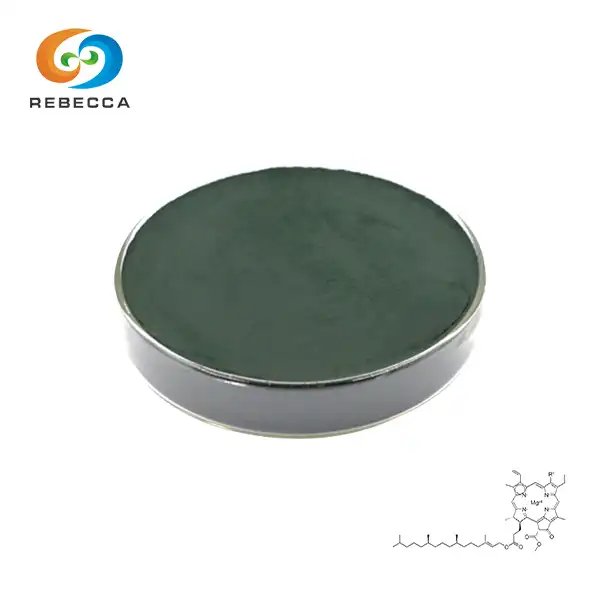
English name: Chlorophyll Powder
Latin Name: chlorophyll;
CAS No.: 1406-65-1
Molecular Formula:C54H69MgN4O5R+2
Active ingredients:
Specification: 10%-99%
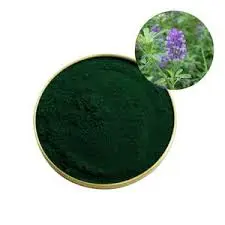
Appearance: Dark Green Powder
Mesh size:80 Mesh
Test Method: UV/HPLC
’
Understanding Chlorophyll and pH Balance
What Is Chlorophyll and Its Chemical Structure?
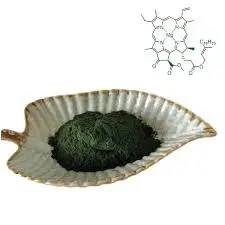
The basic green color that plants, algae, and cyanobacteria need to make food through photosynthesis is chlorophyll. People in business and industry often take chlorophyll out and change it into Sodium copper chlorophyllin (SCC), which is more stable and accessible. This is done because the natural color doesn't hold up well in light and heat. New Chlorophyll (Chl-a: C55H72O5N4Mg) is a powder or paste that is dark green and is lipid-soluble. It is made up of a magnesium ion in the middle and a tetrapyrrole ring shape on the outside. This shape gives the molecule its color and the ability to work with cells. In commercial forms, the phytol tail is taken away and the magnesium ion in the middle is changed to copper. It turns into a dark green-black powder that mixes easily with water.
The molecular differences between the original chlorophyll and its derivatives have a significant impact on their applications in business. Standard oil-soluble chlorophyll still has a lot of its biological properties, like the power to stop changes and keep cells from getting hurt. Sodium Copper Chlorophyllin, on the other hand, is very strong and stays steady when heated, oxidized, or exposed to UV light. If procurement workers know about these differences, they can pick the right form based on how it will be used and how it needs to be formulated.
The Concept of pH Balance in Physiology and Industry
The balance of acids and bases that exists in live things and manufactured goods is known as pH balance. In people, the blood pH stays between 7.35 and 7.45 thanks to the kidneys' ability to balance and adjust breathing. For enzymes to work, cells to breathe, and health in general, this balance is important. It's bad for your health to make even small changes outside of this small range. To keep things stable, the body has a lot of control systems.
pH balance determines how stable a product is, how well it keeps its color, and how germ-free it is in fields like making food and supplements. The pH level needs to be carefully balanced when making drinks, especially functional drinks, so that the ingredients don't break down and people enjoy the drinks. Being below pH 4.0 causes Sodium Copper Chlorophyllin to lose its ability to breakdown in water and form crystals very fast. Either specialized nano-emulsion technology or buffer systems must be used to keep the grid stable. This technical issue shows why it's important to know how pH changes other chemicals when you're making new things.
Scientific Perspective on Chlorophyll's Alkaline Nature
Chlorophyll and the things that come from it are naturally alkaline because of how their molecules are made. Scientists have looked into whether the acid-base balance in the body can be changed by eating or taking things that are high in chlorophyll. Studies have shown that eating a lot of green vegetables, which have chlorophyll already in them, may help you eat a more alkaline diet. But it's too easy to say that chlorophyll is the only cause of this effect. It's hard to explain how the minerals, fiber, and vitamins in these foods work together.
Scientists all agree that chlorophyll doesn't directly change the pH of the blood. However, it may help organs that do that job, especially because it cleans and fights free radicals. Scientists have looked into how chlorophyll can bind to some toxins and help the liver work better. This helps the body's natural cleaning processes in a roundabout way. While these steps don't change the body's pH levels, they might help improve metabolic balance.
Evaluating the Benefits of Chlorophyll for pH Balance and Health
Antioxidant and Detoxification Properties
A lot of different kinds of research have shown that chlorophyll is a very strong antioxidant. It has this quality because it can fight free radicals and lower oxidative stress in cells. This kind of antioxidant power is very useful when making foods for the health market. It's found in detox pills, liquid drops, and softgels. It's easy to mix oil-soluble chlorophyll into lipid-based softgels. On the other hand, water-soluble Sodium Copper Chlorophyllin works best for liquid vitamins. It gives the body's cells the most antioxidants and support they need.
Cleaning habits and health products should pay extra attention to the cleansing part when they are being made. There is proof that chlorophyll can connect with some natural toxins and help get rid of them. The way this method works is through a process called chelation. The chemical structure of chlorophyll binds to substances that the body wants to get rid of. For health-conscious people, this trait is useful in a lot of different kinds of goods, from food vitamins to functional drinks.

Digestive Health and Alkalinity Promotion
Chlorophyll has been linked to better gut health in addition to being an antioxidant. Some evidence suggests that its weak antimicrobial properties may help get rid of bad stomach smells and make your bowels healthier. Foods that try to improve gut health and stomach health in general should have these benefits. Because it gets rid of smells, chlorophyll is used in medical goods to treat body odor that comes from inside the body.
Plant-based foods that are high in minerals and help make the diet more alkaline go well with foods that are high in chlorophyll. Calcium, magnesium, and potassium, which can be found in green vegetables, work with chlorophyll to help biological processes. It is important to think about this mixture when making useful foods because they are better for you than chlorophyll alone. When you mix chlorophyll with nutrients that work well with each other, you can make recipes that help your health in more than one way.

Comparing Natural Sources and Supplement Forms
You can get chlorophyll from dark green vegetables like spinach, kale, parsley, and spirulina. Along with fiber, vitamins, and minerals, these whole foods contain chlorophyll, all of which are good for your health. But it's not always easy to get enough chlorophyll from food alone. That's why supplements are helpful.
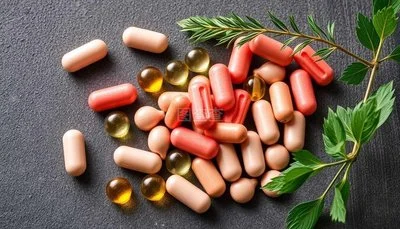
Types of supplements are very different in what they contain, how stable they are, and how well they work in the body. Sodium Copper Chlorophyllin is often found in liquid chlorophyll goods. This makes them more stable and easy to dissolve in water. People who make unique mixes or capsule goods have more choices when they use powder forms. People who want an easy way to add to their diet will like pills because they give exact amounts and are simple to use. When making each shape, you need to think about how stable it is, how long it will last, and how it will work with other materials. People who work in buying have to figure out which form works best for their production skills and the tastes of the people they want to sell to.
How to Select Chlorophyll Products for Optimal pH Balance Support?
Critical Evaluation Parameters for B2B Procurement
You need to look at chlorophyll products carefully from a number of technical points of view in order to pick the right ones. The most important thing to think about is the product's quality, since flaws can make it less safe and less efficient. When making chlorophyll for industry, strict rules from the USP, EP, and FCC are used. The best companies need licenses for ISO 9001, ISO 22000, and cGMP to make sure that every batch is clean and the same as the others.
It is very important to make sure the source is real, especially if you are selling to people who care about organic or sustainably grown products. Verifying origin through traceable supply lines keeps a brand's image safe and makes sure it follows the rules for being more open, which are getting tighter all the time. What needs to be made and what can be made need to match up on the delivery forms. Different kinds that dissolve in water work better in drinks, while different kinds that dissolve in oil work better in mixes that are high in fat. Not only does the way the food is transported affect its success, but it also changes how the customer feels and how well the product does in a busy market.
Certification Standards and Safety Testing
Careful buying starts with following the rules. In the US, chlorophyll used as a color additive has to follow the rules set out by the FDA in the Code of Federal Regulations. EFSA quality standards must be met for both E140 (chlorophyll) and E141 (chlorophyllin) goods sold in Europe. There are high standards for all international markets set by these rules and laws. They keep customers safe.
When safety testing is done, a number of possible contamination risks need to be thought about. Heavy metal testing with ICP-MS really measures Lead (< 2ppm), Arsenic (< 1ppm), Cadmium (< 1ppm), and Mercury (< 0.1ppm) to make sure it meets strict international rules like California Prop 65. USP <61> and <62> guidelines set the microbiological limits. These guidelines make sure that the Total Plate Count (< 1000 CFU/g) is very low and that there are no harmful bacteria like E. coli, Salmonella, and Staphylococcus aureus. GC-HS testing for residual solvents makes sure they are safe for extraction and up to international standards.
Supplier Benchmarking and Performance Metrics
There's more to possible sellers than just the product specs that you need to look at. You should also look at how well they can do their job and how reliable they are. The production capacity and scalability of a company show if they can handle new products and growth in the future. Startups that want to test the market can work with suppliers who don't have a set minimum order quantity (MOQ). But big companies need to make sure they can always get a lot of their goods.
The service is professional and wants to be open and honest if they provide quality documentation. Full Certificates of Analysis (COA), Material Safety Data Sheets (MSDS), and stability studies should be simple to get. These suppliers are highly advanced if they can give specific information about how well their goods balance pH or how many antioxidants they have. This backs up what they say in their marketing. Lead times, packaging options, and the ability to handle shipping can also change the total cost of ownership and the security of the supply chain. You can get a competitive edge by working with suppliers who see themselves as professional partners instead of just transactional providers. This is because you can make new goods and fix problems quickly together.
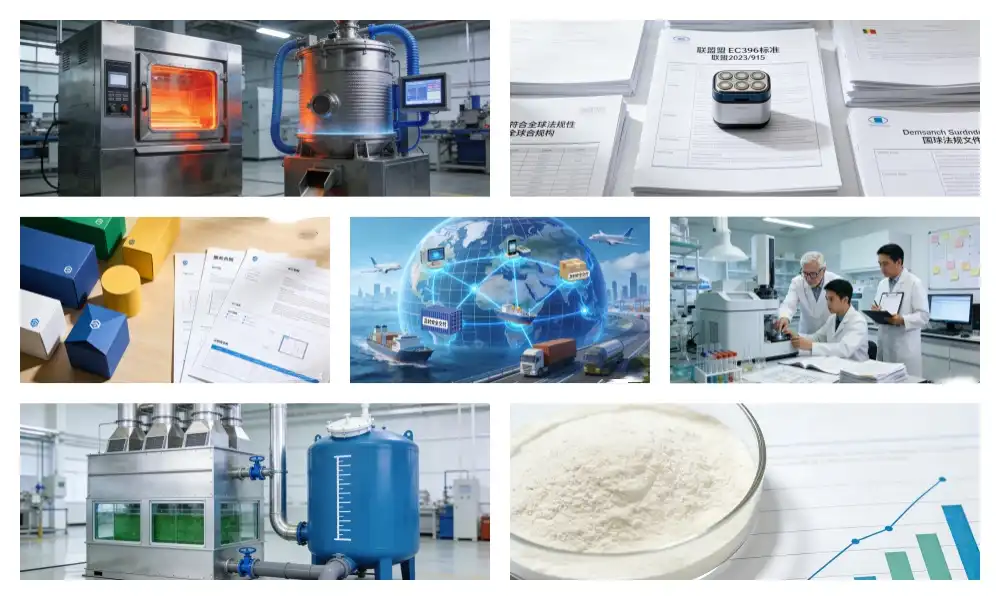
Chlorophyll Extraction and Quality Assurance for B2B Buyers
Extraction Methodologies and Their Impact
How the chlorophyll is extracted has a big impact on how pure, stable, and effective the final product is. The most common way to do this for business is to use ethanol or acetone to separate chlorophyll from plant matter. It's easy to use and doesn't cost much, so this method can be used to make many things. But when solvents are used for extraction, the finished goods must pass strict tests for residual solvents.
Supercritical CO2 extraction is a premium alternative because it doesn't use organic solvents and instead uses high pressure and heat to get chlorophyll out of plants. This method makes extracts that are very pure and don't leave behind any solvents. This is why high-end brands that value clean processes like it. The prices of the ingredients usually go up because setting up the technology costs a lot of money. But in places where people care about health, it may be worth it to justify premium positioning.
To get more done with less damage to the environment, scientists are coming up with new techniques like enzyme-assisted extraction and ultrasound-enhanced extraction. This new round of ideas shows that the business world is still looking for the best balance between quality, cost, and long-term viability. Procurement professionals can choose sellers whose technical approaches match their brand's values and product positioning strategies if they know about these differences.
Quality Control Protocols and Batch Consistency
To make sure that every batch of products has the same quality, there needs to be systematized quality control at many stages. You can use spectrophotometry (UV-Vis) to find the color value and absorbance at certain peak wavelengths, like 405 nm for SCC, and then use math to figure out the predicted tinctorial strength (E 1%, 1 cm). Formulations will always look and work the same way, batch after batch, if this is kept up.
Following the ICH Q1A rules for checking stability in accelerated settings can help you figure out how long something will last and how to store it. Many ICH Q1A accelerated and long-term stability tests have shown that the best way to store it is in sealed, light-protected, moisture-barrier packaging for 24 months at temperatures below 25 degrees Celsius. These tests help people decide how to package and ship things by showing how they respond to changes in light, temperature, and humidity.
Part of verifying purity is looking for contaminants, which is different from just checking the concentration of active ingredients. When you buy from agricultural sources, it is very important to check for pesticide residues as well as heavy metals and bacteria. The LC-MS/MS or GC-MS/MS method for multi-residue pesticide screening can find signs of possible agrochemical contamination. The fact that sellers go through these thorough testing steps shows that they value product integrity. This keeps companies further down the line from having to deal with problems with quality and the law.
Regulatory Compliance Across Key Markets
People who want to buy or sell things in other countries always have a hard time because each market has its own rules and laws. The FDA in the US has rules about how chlorophyll can be used as a color additive. There are different rules about chlorophyll that is used in dietary supplements under the DSHEA. You can avoid making mistakes that cost a lot of money in court by learning these differences.
The EFSA made rules for Europe that say what chlorophyll and chlorophyllin can be used for and how clean they need to be when used in food. Often, these rules are different from US laws, so things that are going to be sold in Europe need to go through a separate check to make sure they are legal. When used within the GMP limits, our oil-soluble Chlorophyll (E140) and Chlorophyllin (E141) strictly follow both the EU EFSA purity directives and the US FDA Code of Federal Regulations.
As countries make or change their food safety rules, new regulatory challenges emerge in emerging markets. Sellers who are active keep up with changes to the rules and make the necessary changes to quality documentation. This regulatory intelligence forms a useful service that helps companies that want to grow abroad enter new markets more easily. Working with companies who know how hard it can be to follow rules in many places lowers risk and speeds up time to market.
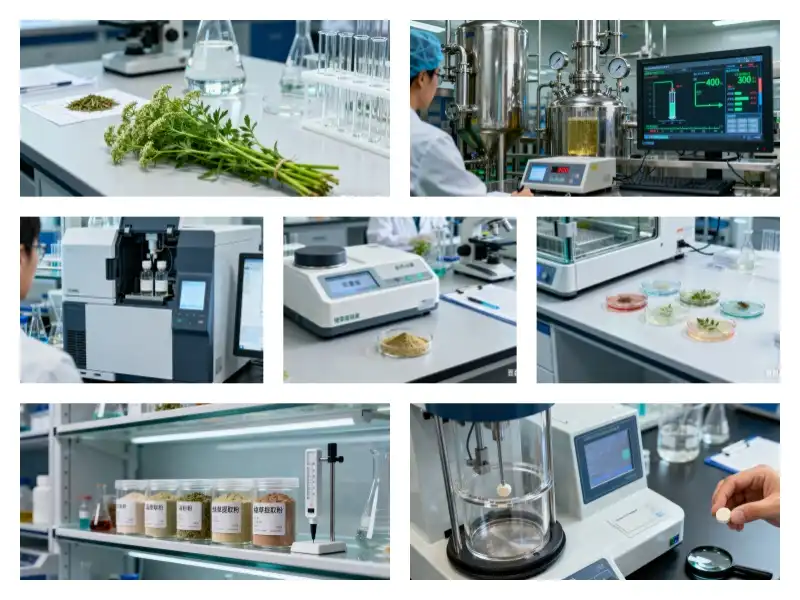
Conclusion
One natural thing that can be used in lots of different ways is chlorophyll. It may be good for your digestive health and has antioxidant properties. Even though chlorophyll can't directly change the pH balance of the body because of its strong regulatory mechanisms, it is still good for you in many other ways. If someone wants to buy chlorophyll to put in functional foods, drinks, or supplements, they should only buy from companies that have strict quality control, thorough testing, and regulatory compliance documentation. When you know the differences between natural chlorophyll and stable forms like Sodium Copper Chlorophyllin, you can make smart decisions that work for your specific recipe. Instead of overstating the pH change, it's better to be honest about the benefits and focus on metabolic wellness and antioxidant support. This keeps scientific credibility and meets customer demand for natural bioactive ingredients.
FAQ
Q1: Does Chlorophyll Actually Change Blood pH Levels?
A: Eating chlorophyll doesn't have a significant effect on blood pH because the body is so good at keeping the acid-base homeostasis. Your kidneys and respiratory systems keep your blood pH between 7.35 and 7.45 no matter what you eat. Anyway, chlorophyll might help organs that keep the metabolism in check and offer antioxidant benefits that contribute to overall wellness without fundamentally changing systemic pH.
Q2: What Is the Difference Between Natural Chlorophyll and Chlorophyllin?
A: Native chlorophyll is a magnesium-based compound that can be broken down by heat and light and dissolves in oil. Chlorophyllin is a semi-synthetic derivative where copper replaces magnesium and the phytol tail is removed. In this way, a colorant is made that is stable and easy to dissolve in water. The bioactive properties of natural chlorophyll stay the same from the botanical source, while Sodium Copper Chlorophyllin is more stable for industrial applications.
Q3: How Should B2B Buyers Evaluate Chlorophyll Suppliers?
A: Lots of things should buyers think about, like ISO and cGMP certifications, thorough testing protocols (for heavy metals, microbiology, and residual solvents), batch consistency documentation, regulatory compliance across target markets, and production capacity. Suppliers who provide detailed COA, stability data, and efficacy documentation demonstrate technical sophistication that supports successful product development and marketing claims.
Partner with Rebecca for Premium Chlorophyll Solutions
Shaanxi Rebecca Biotechnology Co., Ltd. is a trustworthy manufacturer and supplier with over 13 years of specialized experience in natural herbal extracts. They are a professional source for chlorophyll solutions. Thanks to our advanced high-temperature drying and ultra-fine grinding technology, chlorophyll stays functional while being very pure and stable. We supply both oil-soluble chlorophyll and water-soluble Sodium Copper Chlorophyllin that meet USP, EP, and FCC standards. Contact our procurement specialists at information@sxrebecca.com to discuss your chlorophyll requirements, request product samples, or explore custom formulation services tailored to your specific applications in functional foods, dietary supplements, cosmetics, or beverage manufacturing.
References
1. Ferruzzi, M.G. and Blakeslee, J. (2007). "Digestion, absorption, and cancer preventative activity of dietary chlorophyll derivatives." Nutrition Research, 27(1), 1-12.
2. Kephart, J.C. (1955). "Chlorophyll derivatives—Their chemistry, commercial preparation and uses." Economic Botany, 9(1), 3-38.
3. Lanfer-Marquez, U.M., Barros, R.M., and Sinnecker, P. (2005). "Antioxidant activity of chlorophylls and their derivatives." Food Research International, 38(8-9), 885-891.
4. Sudakin, D.L. (2003). "Dietary aflatoxin exposure and chemoprevention of cancer: a clinical review." Journal of Toxicology: Clinical Toxicology, 41(2), 195-204.
5. Tumolo, T. and Lanfer-Marquez, U.M. (2012). "Copper chlorophyllin: A food colorant with bioactive properties?" Food Research International, 46(2), 451-459.
6. Egner, P.A., Stansbury, K.H., Snyder, E.P., Rogers, M.E., Hintz, P.A., and Kensler, T.W. (2000). "Identification and characterization of chlorin e4 ethyl ester in sera of individuals participating in the chlorophyllin chemoprevention trial." Chemical Research in Toxicology, 13(9), 900-906.