_1730691017423.webp)

Why Pharmaceutical Grade Haematococcus Powder Matters?
In the food and medicine businesses, haematococcus pluvialis powder, which is a rich source of astaxanthin, is becoming more and more important. This fine powder is dark red to purple and comes from microalgae. It is prized for having strong antioxidant properties. But differences in handling standards can have a big effect on the quality of the result. Pharmaceutical grade haematococcus powders is different because it is more pure, stable, and works better in formulations. Manufacturers and formulators can choose chemicals that meet strict industry standards for use in health, nutrition, and cosmetics when they know about these differences.
Haematococcus Powder
【English name】: Haematococcus Powder
【Other Name】: Haematococcus Pluvialis Powder
【Active ingredients】: Astaxanthin
【Specification.】: 2.5%, 3%, 4%,5%
【Appearance】: Dark Red Powder
【Cultivation Method】: Artificial Planting
【Shelf Life】: 24 Months
【COA/Third-party Test Report】: Available
【Test Method】:UV/HPLC
【Delivery】:FedEx, DHL, Ship by air, Ship by sea.
Key Benefits of Pharmaceutical Grade Haematococcus Powder
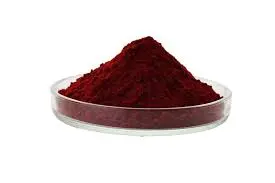
Unparalleled Purity and Potency
As a result of improved processing steps, pharmaceutical grade Haematococcus powder has astaxanthin amounts of 2.5%, 3%, or even 3.5%. These standard amounts help make sure that the recipe is consistent and lower the chance of flaws or unwanted leftovers. Astaxanthin has a high concentration and is a strong antioxidant. This makes it a good choice for high-end food and medicinal formulas that aim to control oxidative stress.
Enhanced Bioavailability
Haematococcus powder doesn't dissolve in water, but it does dissolve well in many organic solvents, which makes it easier to mix with other ingredients and absorb. Controlling the powder size correctly also helps with better mixing and use in finished goods. Processing at a pharmaceutical-grade level helps keep quality standards stable, which lets companies make supplements and skin goods with better absorption and useful performance.
Versatile Applications
The Haematococcus powder is pharmaceutical-grade and can be used in a lot of different businesses. It comes from natural microalgae, which is in line with clean label trends and customer desire for products that come from plants. Pharmaceutical-grade standards help keep ingredients stable, colors consistent, and products working well in a wide range of settings, whether they are used in food supplements, functional drinks, skin care products, or nutritional mixes.
Scientifically Backed Health Benefits
Researchers are still looking into how astaxanthin from Haematococcus pluvialis can help people's health in a number of ways, such as by protecting the skin, improving eye health, and helping the heart. Pharmaceutical-grade production helps keep the active ingredients and quality levels that are needed for advanced formulas constant. A lot of research has been done on how its antioxidant qualities can help protect cells from reactive stress and support long-term health and good aging.
How to Choose High-Quality Haematococcus Powder?
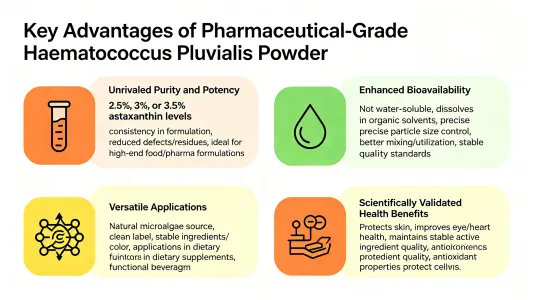
Verify Purity and Astaxanthin Content
It is best to look for Haematococcus powder that has been tested for clarity and has at least 2.5% astaxanthin. Higher-quality powders may have up to 3.5%. Suppliers you can trust should give you certificates of analysis that list the active ingredients, testing settings, and product specs. These papers help make sure that the ingredients are safe, consistent, and right for making medicines, supplements, or cosmetics.
Consider Stability and Storage Requirements
Because astaxanthin is sensitive to light, air, and high temperatures, it is important to store high-quality Haematococcus powder with care. To keep their strength and safety, products should be kept in ventilated, light-resistant cases that don't let air in. Keeping things in the right way during storage helps keep the antioxidant activity and makes sure the item stays useful during travel, processing, and storage.
Evaluate Production Methods
The ways that Haematococcus powder is extracted and made have a direct effect on its quality and purity. Manufacturers who use cutting-edge methods like supercritical CO2 extraction can better protect the purity of astaxanthin while reducing the amount of liquid waste that is left behind. These methods of processing help keep the list of ingredients cleaner, make the structure of the product better, and support higher-quality formulas for medical and food uses.
Check for Contaminants
Pharmaceutical-grade Haematococcus powder needs to meet strict quality standards. Heavy metals (≤10ppm), bacteria pollution (≤1,000 CFU/g), and other quality factors that meet international standards are often checked on reliable goods. These testing methods help make sure that ingredients are safe, pure, and good for use in high-end formulas that need regular production quality.
Industry Uses of Pharmaceutical Grade Haematococcus Powder
Nutraceutical and Dietary Supplements
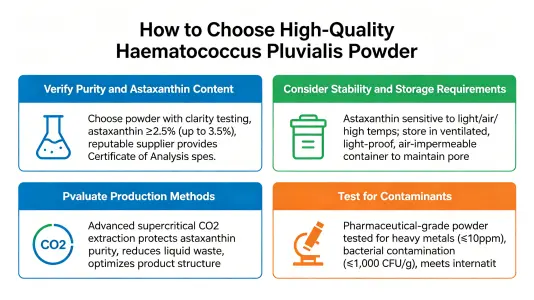
Pharmaceutical grade Haematococcus powder is used a lot in the nutrition business to make antioxidant supplements, soft drinks, pills, and tablets. Because it comes from nature and has a lot of astaxanthin, it is good for eye health, healthy aging, sports nutrition, and daily fitness support, especially for people who want plant-based ingredients in their foods.
Cosmetic and Skincare Applications
Haematococcus powder is a useful ingredient in contemporary skin care products because of its antioxidant properties. Anti-aging creams, face serums, sunblock, and skin-support items often contain materials that are of a pharmaceutical grade. Because it can help lower reactive stress, it has become more popular in beauty uses that aim to improve skin tone and protect the environment.
Food and Beverage Industry
As well as being used in nutrition, Haematococcus powder is sometimes added to food and drinks to give them a natural color. Its deep, rich red color can make certain recipes look better. A good application, on the other hand, needs careful recipe design to keep the quality of the ingredients stable, the color consistent, and the total product quality high while it is being made and stored.
Pharmaceutical Research and Development
The pharmaceutical industry is still looking into how astaxanthin from Haematococcus pluvialis can be used. Its role in reducing reactive stress, studying cardiovascular disease, improving brain health, and other health-related areas is still being studied. Pharmaceutical grade Haematococcus powder gives scientists a normal sample that they can use to make new products and do scientific tests.
Animal Nutrition
Astaxanthin that comes from pure pharmaceutical-grade Haematococcus powder is also used in high-end feed and nutrition items for animals. It helps keep the immune system in balance, promotes healthy age, and improves the looks of pets and animals. Because it is an antioxidant, it is a useful ingredient in nutrition products made to improve an animal's health, hair state, and general health.
Conclusion
Pharmaceutical grade Haematococcus powder is an example of how modern processing techniques can make naturally occurring ingredients more valuable. Because it is pure, has a normal amount of astaxanthin, and can be used in a lot of different ways, it is an important ingredient in the nutrition, nutritional, beauty, and pharmaceutical businesses. As scientists learn more about astaxanthin, it becomes more important to choose high-quality Haematococcus powder for reliable product performance and preparation.
Companies can make better use of the useful benefits of this microalgae-derived ingredient in new health and wellness goods by paying attention to ingredient quality, testing standards, and production stability. Please email us at information@sxrebecca.com if you want to know more about our medicinal grade Haematococcus powder and other natural plant products.
References
1. Johnson, E. J., & Schaefer, E. J. (2018). Potential role of dietary n-3 fatty acids in the prevention of dementia and macular degeneration. The American Journal of Clinical Nutrition, 87(5), 1452S-1456S.
2. Guerin, M., Huntley, M. E., & Olaizola, M. (2003). Haematococcus astaxanthin: applications for human health and nutrition. Trends in Biotechnology, 21(5), 210-216.
3. Ambati, R. R., Phang, S. M., Ravi, S., & Aswathanarayana, R. G. (2014). Astaxanthin: sources, extraction, stability, biological activities and its commercial applications—a review. Marine Drugs, 12(1), 128-152.
4. Capelli, B., & Cysewski, G. (2013). The world's best kept health secret: natural astaxanthin. Cyanotech Corporation.
5. Kidd, P. (2011). Astaxanthin, cell membrane nutrient with diverse clinical benefits and anti-aging potential. Alternative Medicine Review, 16(4), 355-364.