_1730691017423.webp)


Who should not take turmeric?
Turmeric, , a bright yellow spice from the Curcuma longa plant, has gained popularity because it may be beneficial to your health. Because it contains a lot of curcumin, a medicinal substance with anti-inflammatory and antioxidant qualities, turmeric has been used in traditional medicine and food for hundreds of years. Some people might not be able to handle high-dose doses, even though turmeric is usually thought to be safe in normal amounts. You can choose not to take turmeric pills after reading this guide.

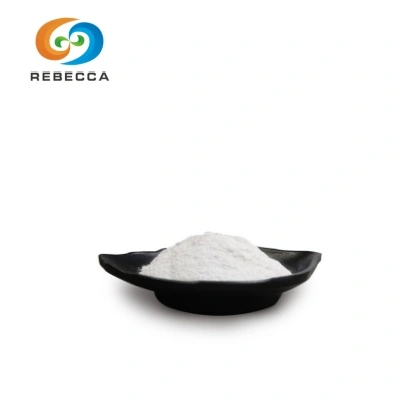
Pure Turmeric powder
【English name】: Curcumin
【Latin Name】: Curcuma longa L.
【CAS No.】: 458-37-7
【Molecular Formula】: C21H20O6
【Active ingredients】: Curcumin, demethoxycurcumin, bisdemethoxycurcumin.
【Specification】: 10%~ 95% CP/EP/USP
【Use Part】 : Subterranean rhizome
【Appearance】: Orange yellow powder
【Mesh size】:80 Mesh
【Test Method】: HPLC
Turmeric Allergies: Signs and Symptoms to Watch
Turmeric allergies are not common, but some people may have reactions when they eat turmeric or use products that contain turmeric. Know the signs that something might be wrong so you can avoid pain and get medical help quickly.
Common Allergic Reactions to Turmeric
Allergies to turmeric can make your skin itch or get worse. Here are some signs that could be there:
- Skin rash or hives
- Feeling itchy or tingly in your mouth
- Swelling of your lips, tongue, or throat
- Not being able to breathe or wheezing
- Having stomach pain or throwing up
- Not feeling well or feeling dizzy
If these symptoms continue or get worse, stop using turmeric and see a doctor.
Cross-Reactivity with Other Spices
In the same family as turmeric, ginger and cardamom, people who are sensitive to turmeric may also be sensitive to these other plants. If you have a history of spice allergies, use turmeric supplements and concentrated extracts with caution. Talk to your doctor to see if Turmeric is right for you.


When Turmeric May Do More Harm Than Good?
Turmeric may be good for many people, but some health problems and situations need extra care. This is especially true when taking concentrated turmeric supplements instead of the normal amount used in cooking.
Pregnancy and Breastfeeding
Women who are pregnant or who are nursing should not take high-dose turmeric pills. Most of the time, normal amounts used in cooking are thought to be different from concentrated extracts. However, supplement doses might need to be checked out by a professional.
Concerns that might come up are:
- When taken in large amounts, it may change how the uterus works.
- Not a lot is known about what happens if you are nursing and are around a lot of curcumin.
- I don't know what will happen if you carry a child and take a lot of supplements.
Pregnant and nursing women should talk to their doctor before taking turmeric supplements or regularly consuming large amounts.
Gallbladder Issues
People who have gallstones, a blocked bile duct, or other liver problems should exercise caution when taking turmeric pills. Because curcumin might change how bile works, it might make liver pain worse for some people who already have it. Before using goods containing pure turmeric, you should talk to a doctor if you have liver disease.
Kidney Stones
Oxalates, which are chemicals found naturally in turmeric, may help people who are more likely to get kidney stones form them when they eat a lot of them. Before taking a turmeric supplement, people who have had kidney stones before or who are more likely to get them should talk to their doctor.
Iron Deficiency
Because it sticks to iron, curcumin may change how iron is taken in some cases. If you have iron-deficiency anemia or are at risk of having low iron levels, avoid taking too many Turmeric pills without first consulting a doctor. If you don't have enough iron, talk to your doctor before using products with pure turmeric.
Diabetes Management
People who take diabetes drugs might want to think about turmeric because it might change how much sugar is in the blood. When high-dose turmeric pills are taken with medicines that lower blood sugar, the chance of low blood sugar may go up. People with diabetes should talk to their doctor and carefully watch their blood sugar levels before adding turmeric pills to their regimen.

Turmeric and Blood Thinners: A Risky Combination
One of the most talked-about safety issues is how turmeric might react with medications that thin the blood. Very careful people who have conditions or take medicines that thin the blood should be extra careful.
How Turmeric Affects Blood Clotting?
It has been looked at whether curcumin, the main chemical in turmeric, might change how blood clots. From what we know, it may:
- Make platelets do something different.
- Go against some inflammation processes that cause blood to clot
- It could make the effects of medicines that thin the blood stronger.
These advantages may be crucial for people who take blood-thinning medications, especially when taking strong Turmeric supplements.
Medications That May Interact with Turmeric
People who are taking the following medications should speak with their doctor before taking Turmeric pills:
- Warfarin (Coumadin)
- Heparin
- Aspirin
- Clopidogrel (Plavix)
- Non-steroidal anti-inflammatory drugs (NSAIDs)
If some people take turmeric supplements along with these prescription drugs, they may bleed more. To make sure it is safe to use, you should talk to a doctor.
Precautions for Surgery Patients
If you are scheduled for surgery, inform your doctor of any turmeric or curcumin supplements you are taking. Some doctors might advise you to stop using concentrated turmeric products before certain treatments because they might change how blood clots. If you are having surgery, your surgeon or another medical professional should always decide when the best time is to stop.
Monitoring for Signs of Bleeding
Are you thinking about taking turmeric supplements but are also taking medicines that thin your blood? If so, keep an eye out for strange changes like:
- Easy to get bruises
- Cuts that bleed for a long time
- Nosebleeds
- Blood in the urine or stool
- Weird headaches
You should see a doctor if you see signs that don't make sense.

Conclusion
Although turmeric may be beneficial to you, not everyone should take it in the form of a pill. People who have certain medical conditions, are taking certain medications, are pregnant, or are breastfeeding should not take turmeric supplements.
Turmeric in small amounts as a spice in food is not the same for most healthy people as taking large amounts of powder. To make smart choices, you need to know about your health conditions, how your medicines work together, and how much you should take. Please email us at information@sxrebecca.com if you have any questions about using turmeric or would like more information about our high-quality turmeric goods.
FAQ
Can everyone safely take Turmeric supplements?
Not at all. People who are on certain medications or have certain health issues might not want to take concentrated turmeric supplements, despite the fact that turmeric is frequently used as an ingredient in food. Every person should think about their own health before using.
Is Turmeric Safe to Eat While Expecting?
The amount of turmeric in pills and food is typically not the same. Pregnant women should talk to a doctor or nurse before using strong Turmeric products.
Will turmeric change the way drugs that thin the blood work?
Before taking turmeric pills, people who take anticoagulants or antiplatelet drugs should talk to their doctor. Turmeric may change how blood clots.
People with gallbladder problems should stay away from turmeric.
People with liver problems should be cautious when using strong turmeric products because curcumin may affect bile-related action. People whose gallbladders are already giving them trouble should see a doctor.
What is the difference between turmeric supplements and turmeric as a spice?
In contrast to pure turmeric pills, turmeric used in cooking typically contains much less curcumin. High-dose Turmeric products are more frequently linked to possible side effects and risks than normal daily use.
References
1. Smith, J. A. (2021). Turmeric: Benefits, Risks, and Contraindications. Journal of Herbal Medicine, 15(2), 45-58.
2. Johnson, M. K., & Brown, L. E. (2020). Interactions between Turmeric and Common Medications: A Comprehensive Review. Clinical Pharmacology & Therapeutics, 108(4), 739-755.
3. Williams, R. T., et al. (2019). Turmeric Use in Pregnancy: Safety Considerations and Clinical Implications. Obstetrics & Gynecology International, 2019, 1-10.
4. Chen, H., & Lee, Y. S. (2018). Curcumin and Blood Coagulation: Mechanisms and Clinical Applications. Thrombosis Research, 164, 114-121.
5. Thompson, E. D., & Garcia, R. M. (2022). Turmeric Allergies: Prevalence, Manifestations, and Management. Allergy & Asthma Proceedings, 43(3), 215-224.







_1732613888718.webp)