_1730691017423.webp)

What is Haematococcus used for?
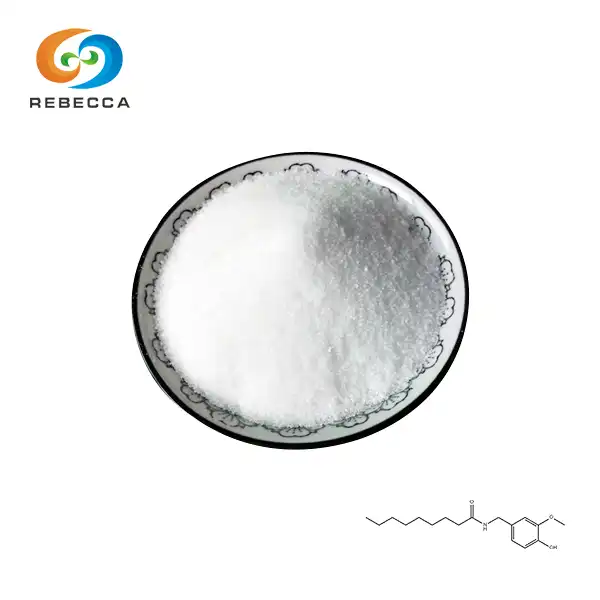
A type of microalgae called Haematococcus pluvialis is getting more and more attention in the health and nutrition business because of its unique biological qualities and wide range of uses. A lot of people know that this natural microalgae makes astaxanthin, which is a protective pigment that is often found in beauty and health goods. In this guide, we'll explore the applications of Haematococcus, including haematococcus powder, and examine its growing role in health, skincare, and dietary supplement formulations.
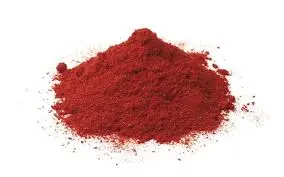
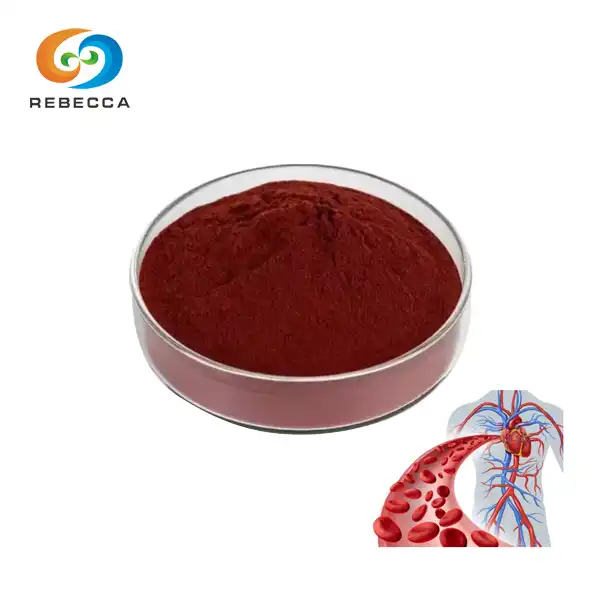
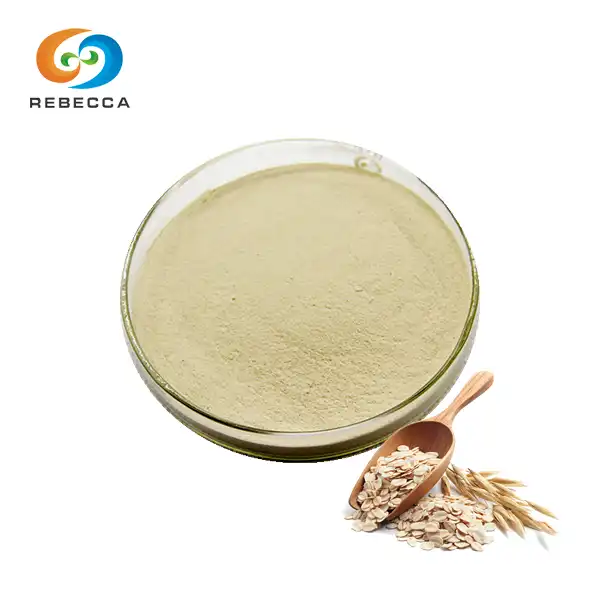
Haematococcus Powder
【English name】: Haematococcus Powder
【Other Name】: Haematococcus Pluvialis Powder
【Active ingredients】: Astaxanthin
【Specification.】: 2.5%, 3%, 4%,5%
【Appearance】: Dark Red Powder
【Cultivation Method】: Artificial Planting
【Shelf Life】: 24 Months
【COA/Third-party Test Report】: Available
【Test Method】:UV/HPLC
【Delivery】:FedEx, DHL, Ship by air, Ship by sea.
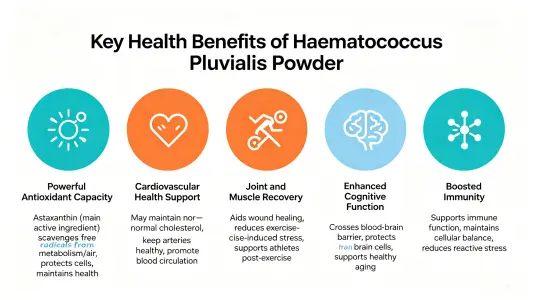
Top Health Benefits of Haematococcus Powder
Haematococcus powder, produced from Haematococcus pluvialis, is widely valued as a natural source of astaxanthin with multiple nutritional applications. A lot of research has been done on this carotenoid chemical to find out how it works as an antioxidant and what part it might play in helping general health. Here are some of the most popular benefits of taking haematococcus powder supplements.
Antioxidant Powerhouse
Astaxanthin is the main chemical that works in haematococcus powder, and it is well known for its strong antioxidant properties. Because of how its molecules are structured, it can help eliminate free radicals that are made by regular metabolism and being in the air. Haematococcus powder is a crucial component of food goods meant to help protect cells and keep your health in general because of its antioxidant properties.
Cardiovascular Health Support
More research is being done on astaxanthin to find out how it affects heart health and metabolic balance. Some researches show that chemicals in haematococcus powder might help keep cholesterol levels normal, arteries working well, and blood flowing well. Because of these qualities, people are still interested in using it in heart health and busy living diet.
Joint and Muscle Recovery
Because it helps with healing and is an antioxidant, haematococcus powder is often used in sports nutrition and busy living products. Researchers have looked into how astaxanthin can help lower the reactive stress that comes from exercise and how hard you work out. This has led to a rise in interest from players and other physically active people looking for food support after exercise.
Cognitive Function Enhancement
Fresh scientific study is still looking into the link between astaxanthin and brain health. Astaxanthin can cross the blood-brain barrier, so haematococcus powder has been studied for its ability to protect brain cells and help people age in a healthy way. Its role in brain and cognitive health uses is still being studied.
Immune System Boost
Astaxanthin may also help the defense system work properly and keep cells in balance because it is an antioxidant. Haematococcus powder is still a common ingredient in fitness products that focus on daily nutritional support and maintaining good health because it helps lower reactive stress and promotes healthy cellular activity.
How Haematococcus Supports Eye and Skin Health?
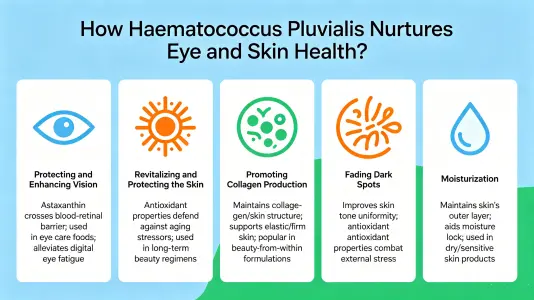
In addition to being used for general health reasons, Haematococcus pluvialis extract is becoming more and more famous in face and eye care products. Astaxanthin is very useful in goods that are meant to improve skin look, ease, and vision because of the way it works biologically.
Vision Protection and Enhancement
Researchers are very interested in eye health because astaxanthin can cross the blood-retinal barrier. In food products made to support eye comfort and vision health, haematococcus powder is commonly used. It might also help ease the eye strain that comes from using screens for long periods of time and living a digital life.
Skin Rejuvenation and Protection
There are many beauty and skin care items that use haematococcus powder because it is an antioxidant. Astaxanthin might help protect against external stress and reactive factors that cause skin to look older. A lot of people use Haematococcus-based items as part of long-term beauty and health practices.
Collagen Production Support
Astaxanthin has also been studied in terms of its connection with maintaining collagen and supporting the structure of the skin. Collagen is a healthy protein that helps keep skin flexible and firm. Haematococcus powder is becoming more and more famous in beauty-from-within and anti-aging vitamin formulas because it helps maintain good skin function.
Dark Spot Reduction
Additionally, astaxanthin is utilized in skin care items that aim to enhance a more even and healthy skin appearance. Because haematococcus powder is an antioxidant, it is becoming more popular in beauty uses that aim to improve skin tone and help skin deal with external stress.
Moisture Retention
By aiding in the maintenance of the skin layer and general skin health, haematococcus powder may also aid in skin water support. It is often used as an ingredient in skin care products for dry, sensitive, or environmentally stressed skin because of these qualities.
Using Haematococcus in Supplements and Skincare
Haematococcus pluvialis extract is widely used in both food products and cosmetics because it can be used in a lot of different ways. Knowing how it is usually used could help both customers and producers get the most out of its health benefits and useful properties.
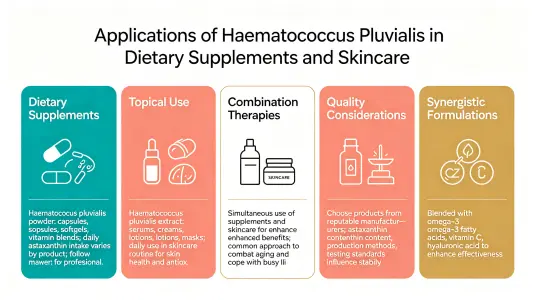
Dietary Supplements
You can easily find haematococcus powder in the form of capsules, softgels, and vitamin blends. The amount of astaxanthin you take in each day may change based on the product's recipe and strength. When choosing supplement habits and dose sizes, it's usually best to follow what the manufacturer says or get advice from a professional.
Topical Applications
haematococcus extract is often found in serums, creams, lotions, and face masks that are sold as cosmetics. These formulas are made to be used on a daily basis on the skin, and they are often a part of habits that focus on maintaining noticeable skin health and supporting antioxidants.
Combination Approaches
Some people take supplements and use skin care items on their bodies at the same time to get more health and beauty benefits. Using both haematococcus powder and astaxanthin-containing products together is a common way to fight age and live a busy lifestyle.
Quality Considerations
It is important to choose haematococcus powder goods from reputable makers that come in clearly standardized formulas. Astaxanthin content, production methods, and testing standards can all change how consistent, pure, and well a product works generally in cosmetic and nutritional uses.
Haematococcus powder is frequently mixed with other nutritional ingredients in skin care and food supplements. When making beauty and health products, astaxanthin is often combined with other ingredients like omega-3 fatty acids, vitamin C, and hyaluronic acid to help them work better.
Conclusion
Haematococcus pluvialis is still a very important natural ingredient that is being used more and more in the beauty, health, and nutrition fields. More and more businesses and scientists are interested in haematococcus powder, which is used in a wide range of goods for health and wellness, from skin care and eye care to antioxidant support and active lifestyle nutrition.
As more study is done on astaxanthin and chemicals derived from microalgae, haematococcus powder will likely continue to be used in a lot of health- and beauty-related products. Please email us at information@sxrebecca.com if you want to know more about high-quality Haematococcus pluvialis products and how they can be used.
References
1. Johnson, E.J., & Schaefer, E.J. (2018). Potential role of dietary n-3 fatty acids in the prevention of dementia and macular degeneration. The American Journal of Clinical Nutrition, 87(5), 1324S-1329S.
2. Kidd, P. (2011). Astaxanthin, cell membrane nutrient with diverse clinical benefits and anti-aging potential. Alternative Medicine Review, 16(4), 355-364.
3. Ambati, R.R., Phang, S.M., Ravi, S., & Aswathanarayana, R.G. (2014). Astaxanthin: Sources, extraction, stability, biological activities and its commercial applications—A review. Marine Drugs, 12(1), 128-152.
4. Fassett, R.G., & Coombes, J.S. (2011). Astaxanthin: A potential therapeutic agent in cardiovascular disease. Marine Drugs, 9(3), 447-465.
5. Tominaga, K., Hongo, N., Karato, M., & Yamashita, E. (2012). Cosmetic benefits of astaxanthin on humans subjects. Acta Biochimica Polonica, 59(1), 43-47.