_1730691017423.webp)

What is ectoin good for?
ectoin powder is used in many important ways across many industries. It works especially well as a cellular protectant and moisture-retaining agent in cosmetics, pharmaceuticals, and functional foods. This naturally occurring extremolyte is very good at keeping biomolecules stable, stopping photoaging, lowering inflammation, and defending against UV rays and pollution, which are all things that can be harmful to the environment. Because it is biocompatible, it can be used in recipes for sensitive skin, medical devices, and therapeutic goods that need to be safe for a long time without causing any harm
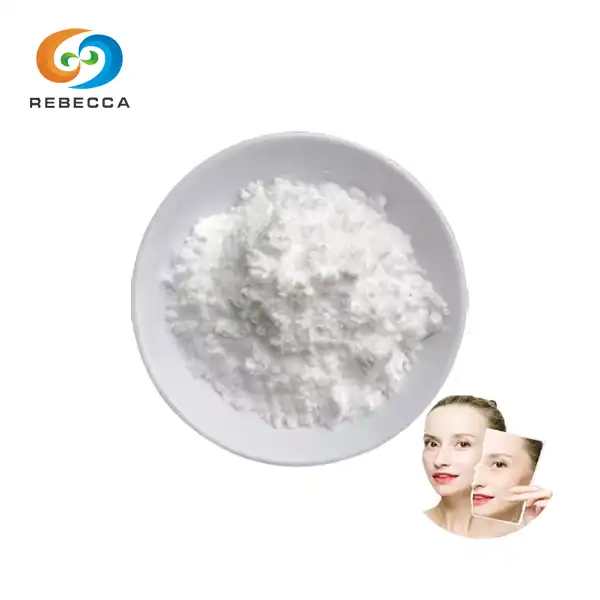
Product name: Ectoine
Chemical name: 2-methyl-1,4,5,6-tetrahydropyrimidine-4-carboxylic acid, tetrahydromethylpyrimidine carboxylic acid
CAS number: 96702-03-3
Molecular formula: C6H10N2O2
Molecular weight:142.16
Specification: ≥99%
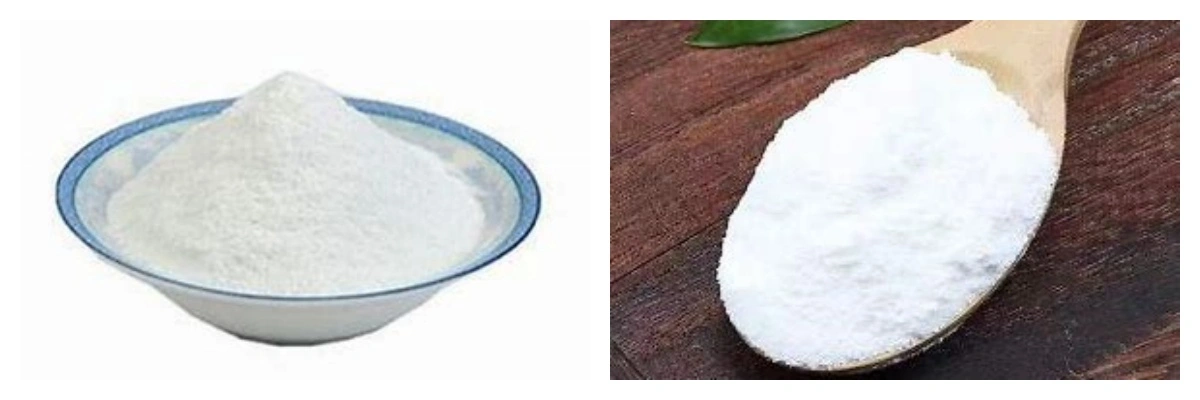
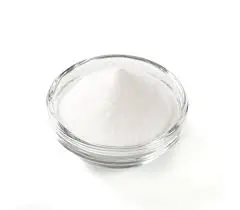
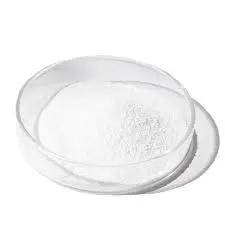
Appearance: white powder or crystal
Solubility: soluble in water, glycerol, propylene glycol, ethanol, etc
Main functions: moisturizing, locking in moisture, repairing and soothing, anti-photoaging, anti-allergy, anti-inflammatory
Application areas: cosmetics
Comprehending Ectoin Powder: Definition and Molecular Function
The discovery of ectoin powder, a cyclic amino acid product with the chemical formula (1,4,5,6-tetrahydro-2-methyl-4-pyrimidinecarboxylic acid), is a big step forward in biotechnology-based active ingredients. This amazing chemical comes from halophilic microorganisms, mainly Halomonas elongata. These microorganisms make ectoin as a way to survive in harsh environments like those with high salt levels, changing temperatures, and osmotic stress.
Natural Extraction vs. Synthetic Production Methods
When B2B buyers look at how reliable the supply chain is and how consistent the products are, the production method has a big effect on their choices about what to buy. For natural extraction, halophilic bacteria make ectoin in controlled fermentation processes that are closely watched. This produces pharmaceutical-grade purity levels of more than 99%. This biotechnological method makes sure that the materials come from safe sources and keep their molecular structure, which is important for medicinal uses.
There are synthetic options to make ectoin, but they often lack the biocompatibility and cellular recognition qualities that make ectoin powder that comes from plants better for use in medicines and cosmetics. The fermentation method also gives better stability from batch to batch, meeting the high quality standards needed by big manufacturers and drug companies.
Molecular Mechanism and Cellular Protection
The defense system depends on ectoin's unique ability to create solid hydrocomplexes with water molecules. These hydrocomplexes surround proteins, enzymes, and cellular walls like a shell. This molecular shield stops external factors from damaging the structure without messing up normal cellular processes. This makes it very useful for formulas that are meant to help skin barriers that are sensitive or broken.
It has been shown that ectoin stabilizes the lipid bilayer structure of cell membranes and also lowers transepidermal water loss (TEWL) by as much as 20% in clinical tests. The compound is safe for cells and can be used in a wide range of formulations. This is why it is widely used in many businesses that need stable active ingredients with a track record of safety.
Key Benefits and Uses of Ectoin Powder in B2B Contexts
It can be used for a lot of different things, not just moisturizing. This extremolyte can solve difficult manufacturing problems in a wide range of industrial sectors. Due to its many uses, it solves important problems that purchasing managers face when they need to find active ingredients for specific uses.
Advanced Anti-Aging and Photoprotective Applications
In high-end skin care products, ectoin acts as a shield inside cells to protect Langerhans cells from UVA and UVB rays. Photoaging markers are significantly lowered in clinical studies when these chemicals are added to sunscreens and anti-aging serums at amounts ranging from 0.5% to 2.0%. Because the substance can stop cells from dying under oxidative stress, it is very useful for companies that are making high-performance anti-pollution skin care items.
Beauty and personal care brands benefit from ectoin's proven efficacy in neutralizing free radicals caused by environmental toxins, which helps beauty and personal care brands meet the growing demand for urban-defense cosmetic products. The stable profile of the ingredient makes sure that it works the same way at all pH levels and temperatures, which is important for large-scale production.
Medical Device and Pharmaceutical Applications
Pharmaceutical companies are adding ectoin powder to more and more medicines that treat psoriasis and atopic eczema. The compound has anti-inflammatory benefits similar to hydrocortisone without the side effects that come with steroids. This means that it can be used to treat chronic skin problems for a long time. 1% to 2% ectoin eye drops are good for treating allergic conjunctivitis and dry eye syndrome because they keep the hyperosmolar tear film conditions stable.
The substance has been approved by regulators in many major markets, including the FDA for cosmetic use. This speeds up the product development process for drug companies that need GMP-grade raw materials. It has been shown to be safe, so it can be used in sensitive areas like nose sprays and baby care items, where biocompatibility is still very important.
Industrial and Feed Applications
Feed and pet food companies use ectoin's ability to protect cells to make their animal feeding products better. The substance is safe to use on both farm animals and pets because it doesn't cause harm and stays stable under different handling conditions. For cost-effectiveness reasons, ectoin should be added to high-end feed formulas where better cell defense makes the ingredient investment worthwhile.
Ectoin Powder Compared to Other Popular Ingredients
When procurement professionals look at active ingredient portfolios for specific product development goals, they can make better choices when they understand how competitors are selling their products. This study compares ectoin to well-known beauty actives to find out where they can work together and where they offer something special.
Ectoin vs. Hyaluronic Acid: Moisture Retention Mechanisms
Hyaluronic acid is great at holding water molecules together on the top of the skin, but ectoin protects cells deeper by keeping structures inside cells stable. These two ingredients work well together. Hyaluronic acid hydrates the skin right away, and ectoin protects cells against long-term damage from the surroundings. Formulation compatibility studies show stable co-incorporation options, which allows the creation of products with multiple uses.
Comparison with Niacinamide and Ceramides
Niacinamide mostly works on controlling oil and improving barrier function, while ectoin protects against stress and reduces inflammation. Ceramides fix the stability of the lipid layer, but they can't stop UV damage to cells like ectoin can. Formulators can make complete skin care products that treat multiple skin problems at the same time because these ingredients can work well together.
Natural vs. Synthetic Ectoin: Purity and Supply Chain Considerations
Naturally made ectoin through fermentation methods is better for biocompatibility and regulatory support than man-made alternatives. Biotechnology providers that have been around for a while and have proven fermentation and quality control systems are more likely to be reliable in the supply chain. Cost-efficiency research often supports natural ectoin, even though it costs more to buy at first, because it works better in formulations and causes fewer regulatory issues.
How to Use Ectoin Powder in Your Product Formulations?
To successfully integrate, you need to know the best concentration ranges, how to make sure the formulations work together, and how to handle processing issues that affect the safety and effectiveness of the end product. This useful information helps OEMs and formulators get the most out of ectoin while avoiding common mistakes in formulation.
Recommended Concentrations and Mixing Procedures
Concentrations that work best depend on the type of application. For example, face serums usually have 0.5% to 1.5% ectoin in them, while therapeutic formulas may need 2% to 5% for better results. It's easier to mix with water because it dissolves in water, but the pH needs to be carefully adjusted to keep it stable. To keep the active ingredient from breaking down, mixing temperatures should stay below 60°C.
Formulation Types and Compatibility Guidelines
When mixed with common cosmetic chemicals like glycerin, panthenol, and different plant products, ectoin powder works very well. The supporting qualities of ectoin can make emulsion systems less dependent on other thickening agents. Some oil-in-water mixtures are more stable when the ectoin is properly dissolved in the water phase before they are emulsified.
When formulators mix ectoin with strong oxidizing agents or acids with high concentrations, they should do compatibility tests first because these mixes might affect the long-term safety of the product. To keep activity levels at their best, storage suggestions include keeping things out of direct sunlight and keeping temperatures below 25°C.
Procuring Ectoin Powder: Best Practices for B2B Buyers
The factors used to evaluate suppliers are very important for long-term buying success because they affect both the quality of the products and the dependability of the supply chain. This all-around method takes into account the most important factors that affect buying choices in a wide range of industries.
Supplier Evaluation Criteria and Certifications
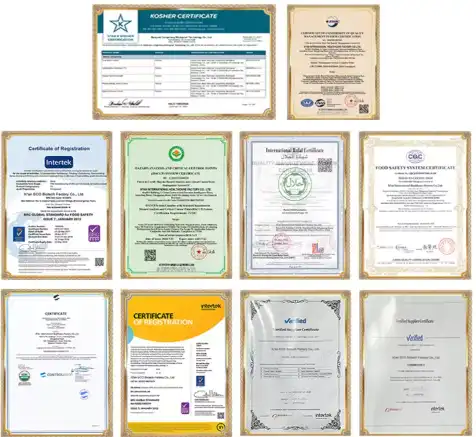
Suppliers you can trust show consistent quality by having widely known certifications, such as ISO 9001, HACCP, and, if necessary, organic certifications. Geographic origin paperwork is especially important for pharmaceutical applications that need to be able to track everything from where the raw materials come from to where the finished product is delivered. Private label service options are useful for brands that need help with unique packing and paperwork.
Pricing Strategies and Minimum Order Quantities
On the market, prices usually depend on how much is being made and what quality standards are used. For example, pharmaceutical-grade ectoin costs more than cosmetic-grade options. Different sellers have very different minimum order amounts. Well-known makers usually need bigger commitments, while specialty shippers offer more flexible buying options that are good for new businesses and smaller names.
When setting wholesale prices, there should be savings for buying in bulk and long-term contracts that help with budgeting and managing supplies. Samples are still very important for trying the formulation and making sure the quality before making bigger purchases.
Risk Management and Quality Assurance
As proof, you need Certificates of Analysis (COA), Material Safety Data Sheets (MSDS), and full testing results that include heavy metals, pesticide residues, and microbiological factors. When sending goods internationally, it's important to have the right customs paperwork and keep the goods at the right temperature so they don't get damaged during travel.
Conclusion
Ectoin powder is a useful active ingredient that has been scientifically proven to work well in a wide range of skincare, medicinal, and other industries. Its one-of-a-kind cellular defense mechanism, along with its proven safety scores and regulatory acceptance, make it a great choice for companies that need reliable, effective ingredients. The compound is stable, biocompatible, and has many useful properties that help with different manufacturing goals while meeting the high quality standards needed for current commercial uses.
FAQ
Is ectoin powder safe for daily use in skincare products?
Ectoin has great safety ratings, with qualities like not harming cells and not causing allergies that have been proven by a lot of clinical testing. Because it is biocompatible, it can be used every day, even on sensitive skin, and long-term tests have shown no negative affects. Its safety for consumer goods is further proven by the fact that it has been approved by regulators in major markets.
How does ectoin compare to other antioxidants in anti-aging formulations?
In contrast to most antioxidants, which mainly eliminate free radicals, ectoin protects all cells by stabilizing membranes and making them more hydrated. This two-way process is better than single-action antioxidants in the long run, and it still works with methods that use multiple mechanisms to make one compound.
What factors should I consider when selecting an ectoin supplier for bulk purchasing?
Specifications for purity, licensing paperwork, the dependability of the supply chain, and the ability to provide expert help are all important factors that go into the evaluation process. Check the production methods, quality control systems, and records of legal compliance to make sure that the standard of the products you buy is always the same and that they are delivered on time.
Partner with Rebecca for Premium Ectoin Powder Supply
Rebecca Biotechnology can help you reach your product goals by providing pharmaceutical-grade ectoin powder that is backed by strict quality control and full paperwork. Our advanced fermentation technology guarantees consistent purity levels above 99%, and our flexible MOQ choices work for both big manufacturers and creative start-ups. We have been a trusted ectoin powder producer for more than 13 years, and we offer full expert support, sample access, and custom solutions that are made to fit your exact procurement needs. Get in touch with our experts at information@sxrebecca.com to talk about your project and find out how our quality ectoin powder can help you make better products.
References
1. Bownik, A. & Stępniewska, Z. (2016). Ectoine as a promising protective agent in humans and animals. Arh Hig Rada Toksikol, 67(4), 260-264.
2. Graf, R., Anzali, S., Buenger, J., Pfluecker, F., & Driller, H. (2008). The multifunctional role of ectoine as a natural cell protectant. Clinics in Dermatology, 26(4), 326-333.
3. Marini, A., Reinelt, K., Krutmann, J., & Bilstein, A. (2014). Ectoine-containing cream in the treatment of mild to moderate atopic dermatitis: a randomised, comparator-controlled, intra-individual double-blind, multi-center trial. Skin Pharmacology and Physiology, 27(2), 57-65.
4. Botta, C., Di Giorgio, C., Sabatier, A. S., & De Méo, M. (2008). Genotoxicity of visible light (400-800 nm) and photoprotection assessment of ectoin, L-ergothioneine and mannitol and four sunscreens. Journal of Photochemistry and Photobiology B: Biology, 91(1), 24-34.
5. Sydlik, U., Gallitz, I., Albrecht, C., Abel, J., Krutmann, J., & Unfried, K. (2009). The compatible solute ectoine protects against nanoparticle-induced neutrophilic lung inflammation. American Journal of Respiratory and Critical Care Medicine, 180(1), 29-35.
6. Heinrich, U., Garbe, B., Tronnier, H., & Bonfigli, A. (2007). Anti-aging effects of ectoine: results from clinical and cell culture studies. SOFW Journal, 133(9), 2-10.