_1730691017423.webp)

Sugar Cane Wax: A Natural Ingredient for Smooth Skin
Natural ingredients are becoming more popular in skin care products because they can help keep skin healthy and work well in plant-based and clean-label formulas. sugar cane wax extract is one of these ingredients that is frequently used in beauty and personal care items. Because it comes from sugar cane and is full of naturally occurring long-chain fatty alcohols like 1-Octacosanol, this ingredient is used a lot in balms, creams, lotions, lip care products, and formulations that condition the skin.
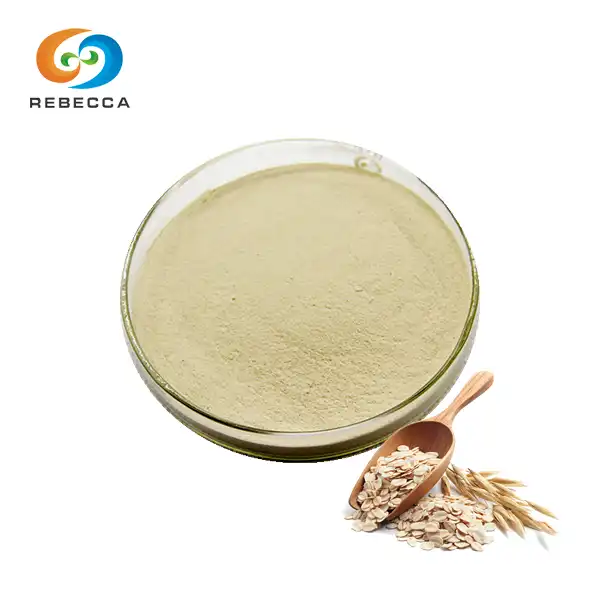
Sugar cane wax extract is usually sold as a fine, off-white to white powder that is at least 98% pure. Because it is very stable, works well with many makeup systems, and comes from plants, it is a popular ingredient for companies that want to use natural ingredients in their skin care products.
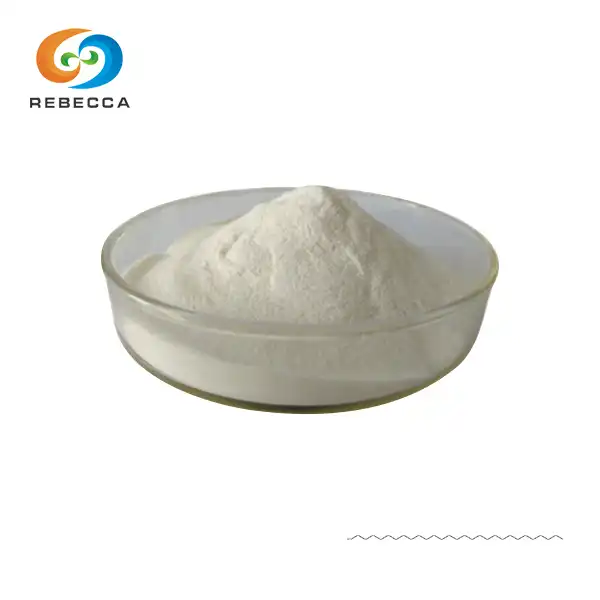
Sugar Cane Wax Extract
English name: Octacosanol(Policosanol)
Alternative name::Policosanol/Sugarcane Extract
Latin Name: Saccharum officinarum
CAS No.: 557-61-9
Molecular Formula: C28H58O
Active ingredients: Octacosanol
Specification: 5%~95%
Use Part : The stalks of sugar cane
Appearance: Off-white to White Fine Powder
Mesh size:80 Mesh
Test Method: GC
Benefits of Sugar Cane Wax Extract for Skin Care
Adding sugar cane wax extract to skin care items has gotten a lot of attention because it can be used for many things. This ingredient comes from nature and can help cleanse, moisturize, and improve the look of your face.
Exfoliation and Cell Renewal
Although sugar cane wax extract does not contain glycolic acid, skin care products that use chemicals made from sugar cane are often linked to better skin. Sugar cane wax extract may help improve skin smoothness by keeping the skin's surface in good shape and making cosmetics feel better to the touch. Using items with sugar cane wax extract on a regular basis may help make your skin look softer, smoother, and healthier.
Hydration and Moisture Retention
One of the best things about sugar cane wax extract is that it can cover the skin in a light way. This layer helps lower transepidermal water loss (TEWL), which makes it easier for the skin to keep water in. For people with dry or dehydrated skin, products with sugar cane wax extract may help make their skin feel better and keep it looking hydrated all day.
Anti-Aging Properties
There are naturally occurring chemicals in sugar cane wax extract, like 1-Octacosanol, that may help prepare the skin and protect it from external stresses. This ingredient can help improve the general look of skin structure and smoothness when added to anti-aging products. Even though there is no way to stop the aging process, sugar cane wax extract may help keep your skin looking better and younger as part of a complete skincare practice.

How Sugar Cane Wax Helps Achieve Smooth Skin?
To get smoother skin, you need to keep it hydrated, support the skin layer, and use products that make skin structure better. Sugar cane wax extract helps reach these goals in a number of ways.
Gentle Exfoliation
Sugar cane wax extract helps improve the smoothness and feel of products without irritating the skin too much, unlike harsh physical exfoliants. This means it can be used in skincare items that are meant to be used every day, even ones for sensitive skin.
Enhanced Skin Cell Turnover
Skin that is healthy naturally renews itself by turning over its cells all the time. Keeping the skin properly hydrated and supporting the skin layer are two ways that sugar cane wax extract can help the skin renewal process work better. Over time, this might make your face look better and younger.
Improved Skin Barrier Function
A good skin layer is important for keeping the skin soft and flexible. The sugar cane wax product makes a barrier film that protects the skin from outside aggressors and keeps it from drying out. It helps keep skin relaxed, healthy, and smoother by supporting the barrier function.

Is Sugar Cane Wax Extract Safe for Sensitive Skin?
Safety and suitability are important things to think about when choosing makeup products, especially for people with sensitive skin. Most people don't have any problems with sugar cane wax extract when it's used in cosmetics.
Natural Origin and Purity
Sugar cane wax extract, which contains highly pure 1-Octacosanol, comes from plants that can grow again and again. Material of high quality is carefully handled and checked to make sure it is pure, consistent, and good for use in cosmetics. It comes from plants, which makes it a good choice for companies making plant-based and clean-label skin care products.
Gentle Exfoliation
Sugar cane wax extract is usually less likely to irritate the skin than harsh scrubbing agents because it mainly works as a skin-conditioning and protective ingredient. And because of this, it can be used in goods for people with delicate or sensitive skin.
Patch Testing and Gradual Introduction
Patch testing is advised whenever a new skincare product is introduced, even though sugar cane wax extract is thought to be safe for most users. Skin sensitivity can be different for each person based on the product, how often it is used, and the skin's general state. Starting with rare use and slowly raising the number of times you do it can help make sure that your skin is compatible with it.

Conclusion
Due to its ability to moisturize, condition, and protect the skin, sugar cane wax extract is now an important part of many modern skin care products. It contains many naturally occurring compounds, including 1-Octacosanol, which gives formulators a plant-based way to make products that help improve skin smoothness, keep skin hydrated, and support its overall look.
Sugar cane wax extract is great for makeup and skin care brands because it can be used in many different ways and is stable. Picking good raw materials and working with sellers with a lot of knowledge can help make sure that the quality and performance of your products stay the same.
For more information about sugar cane wax extract, product specifications, COA documentation, sample requests, or customized ingredient solutions, please contact us at information@sxrebecca.com.
FAQ
What is sugar cane wax extract used for in skincare?
Sugar cane wax extract is often found in lip balms, creams, lotions, serums, and other hydrating items. It helps the skin stay hydrated, conditions the face better, and improves the appearance of cosmetics.
Is sugar cane wax extract good for skin that is sensitive?
Yes. Most people think that sugar cane wax extract is safe and friendly. But people with very sensitive skin should try any new skin care product on a small area of skin first.
What does the 1-Octacosanol in sugar cane wax extract mean?
1-Octacosanol is a long-chain fatty alcohol that is naturally found in sugar cane wax. Because it conditions the face and helps formulations work better, it is used a lot in cosmetics and personal care products.
Can sugar cane wax extract help skin that is dry?
Products with sugar cane wax extract may help keep skin fresh and comfy by stopping it from losing moisture and supporting the skin's natural barrier.
What is the point of using sugar cane wax extract in cosmetics?
Due to its plant-based origin, high stability, compatibility with a wide range of formulas, and suitability for clean-label, natural, and sustainable health products, manufacturers choose sugar cane wax extract.
References
1. Johnson, A. (2022). "The Role of Natural Waxes in Modern Skincare Formulations." Journal of Cosmetic Science, 73(4), 215-230.
2. Smith, B., & Brown, C. (2021). "Comparative Analysis of Sugar Cane Wax and Synthetic Emollients in Moisturizing Creams." International Journal of Dermatology Research, 15(2), 78-92.
3. Lee, S., et al. (2023). "Efficacy of Sugar Cane Wax Extract in Reducing Fine Lines and Wrinkles: A Clinical Study." Skin Research and Technology, 29(1), 112-125.
4. Garcia, M., & Rodriguez, L. (2022). "Safety Assessment of Sugar Cane Wax in Cosmetic Formulations for Sensitive Skin." Contact Dermatitis, 86(3), 189-197.
5. Thompson, R. (2021). "Natural Exfoliants in Skincare: A Review of Efficacy and Safety." Journal of Cosmetic Dermatology, 20(4), 1025-1038.