_1730691017423.webp)

Sea Buckthorn Extract Market Trends
The market for sea buckthorn extract is continuing its remarkable rising trajectory due to its increasing appeal across a number of industries and the rise in individuals interested in alternative treatment. Experts predict that the global market for sea buckthorn extract would reach significant values by 2030 due to its strong demand. The excellent quality of sea buckthorn berries' beneficial components, such as vitamin C, flavonoids, and omega fatty acids, is directly responsible for the growing demand for these berries. This versatile extract is being used in product formulations across a number of industrial industries, such as nutraceuticals, cosmetics, and functional foods, due to its exceptional antioxidant properties and therapeutic potential
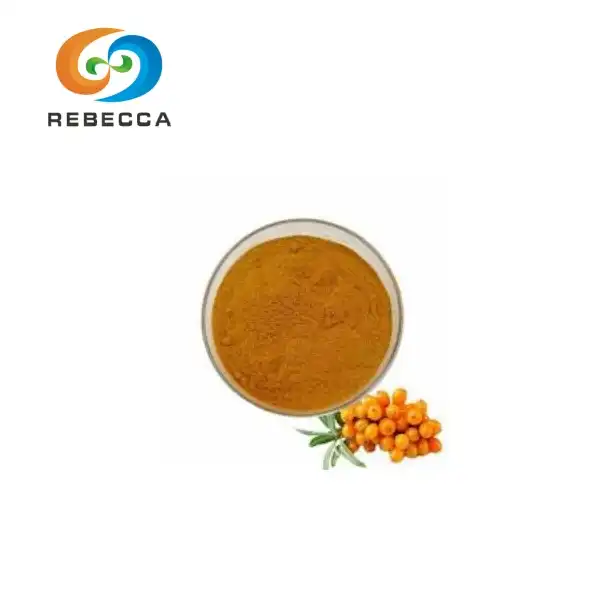
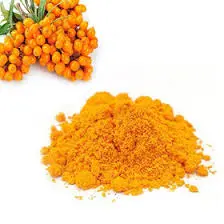
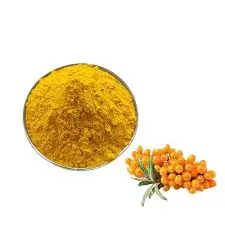
Product Name:Seabuckthorn Extract
Botanical name: Hippophae rhamnoides
Part used: Fruits
Active ingredients:Seabuckthorn flavone, Polysaccharide
Specification:Flavones:10%-40%;Polysaccharide 30%--50%
Appearance:Yellowish-brown Fine Powder
Distinguishing Feature: 100% water soluble, clear and transparent.
Overview of the Sea Buckthorn Extract Market
Sea buckthorn extract, derived from the nutrient-rich berries of the Hippophae rhamnoides plant, is one of nature's most comprehensive nutritional supplies. Because of its remarkable range of vitamins A, B1, B2, B6, and C, as well as significant fatty acids and strong antioxidants, the remarkable botanical component is of interest to manufacturers worldwide.
Nutritional Composition and Industrial Value
Because of its exceptional nutritional profile, the extract is marketed as a high-end component in a number of industries. Among the more than 190 bioactive substances included in sea buckthorn berries, rare omega-7 fatty acids account for up to 40% of the oil content. These compounds strengthen the extract's ability to reduce inflammation, heal wounds, and protect skin.
Because manufacturing is so diverse, it is used in a wide range of industries. Pharmaceutical companies place a great priority on the extract's consistent bioactive content when creating pharmacological formulations. Because of its regeneration properties, cosmetics companies employ it in anti-aging treatments, and the food and beverage industries use it in functional meals for consumers who are health-conscious due to its properties.
Market Size and Growth Projections
Recent market research indicates that the sea buckthorn extract industry is growing at a moderate rate, with above-average compound annual growth rates. Due to the existence of reputable nutraceutical companies and laws that support the use of natural ingredients, North American and European markets account for the bulk of consumption. The majority of the world's supply originates from China and Mongolia since the plant grows natively in Asia. But in order to meet global demand, these countries are also expanding their processing capabilities.
Key Trends Shaping the Sea Buckthorn Extract Industry
The sea buckthorn extract market is always changing as a result of new technology developments and changing customer tastes. Growing consumer preferences for ethical consumption and unambiguous labeling are reflected in the increased focus on organic and sustainably produced materials in manufacturing.
Organic Certification and Quality Standards
The increased demand from consumers for organic sea buckthorn extract has compelled producers to seek thorough certification procedures. Organic goods are highly valued and adhere to strict agricultural regulations that exclude the use of artificial fertilizers and pesticides. B2B procurement choices are especially impacted by this trend, as companies look for products that complement clean-label marketing tactics.
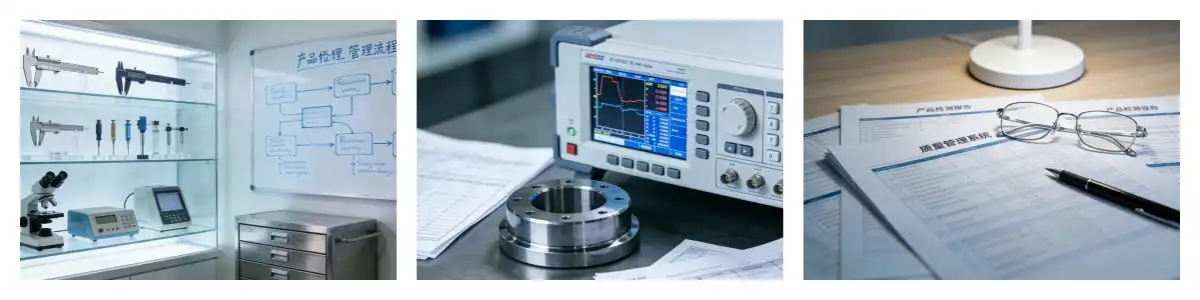
Comprehensive analytical profiles are now included in quality assurance procedures, which have progressed beyond simple purity testing. Advanced testing techniques are used in contemporary extraction facilities to confirm microbiological safety criteria, heavy metal levels, and polyphenol concentrations. These improved criteria guarantee consistent quality from batch to batch that satisfies requirements for pharmaceutical-grade products.
Extraction Technology Innovation
Product quality and market accessibility have been completely transformed by technological advancements in extraction techniques. Supercritical CO2 extraction methods provide superior-quality extracts that fetch higher market prices by preserving heat-sensitive components and removing solvent residues. Manufacturers are able to provide standardized goods with certain potency levels thanks to these techniques.
For large-scale manufacturing, other extraction techniques such ultrasonic and enzyme-assisted procedures provide affordable options. These technologies promote competitive pricing strategies in price-sensitive market sectors by enabling processors to enhance production while preserving the integrity of bioactive compounds.
Application Diversification Across Industries
Growing application variety in both established and developing industries is reflected in market growth. Standardized extracts with proven therapeutic qualities are the main focus of pharmaceutical applications, especially for inflammatory and cardiovascular diseases. The extract's skin-regenerative qualities are highlighted in cosmetic formulations, which include it in high-end anti-aging and wound-care products.
With producers creating nutritional supplements, fortified meals, and drinks enhanced with sea buckthorn, the functional food industry is the one with the quickest rate of growth among application segments. Due to manufacturers' recognition of the extract's potential to promote animal health and wellbeing, pet nutrition provides an increasing market opportunity.
Comparative Analysis for B2B Buyers: Choosing the Right Sea Buckthorn Extract
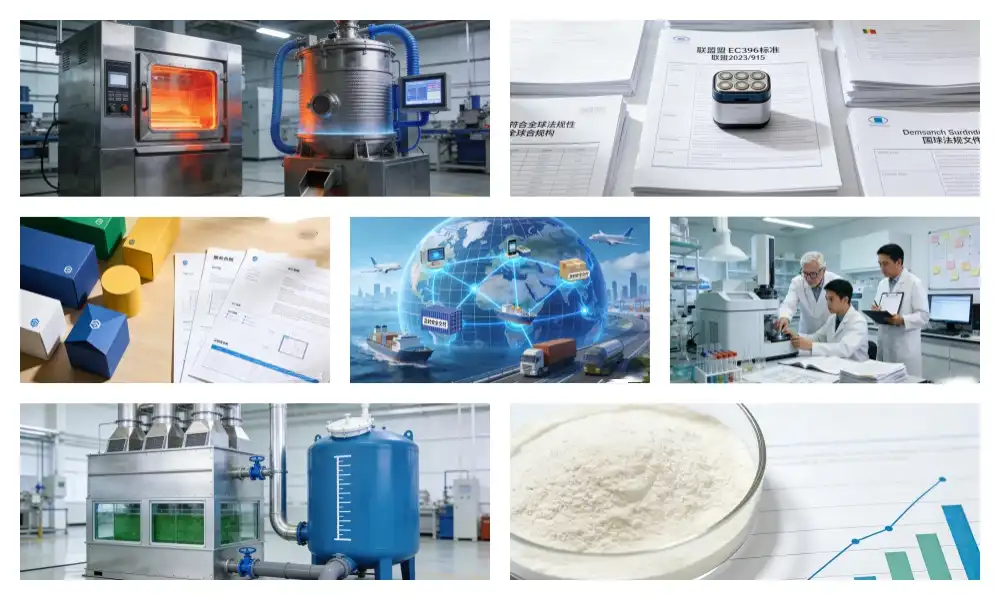
When choosing suppliers and product requirements for sea buckthorn extract, procurement experts must make difficult choices. Making educated purchase selections that maximize cost and performance results requires an understanding of the differences between various extract forms, quality grades, and supplier capabilities.
Extract Forms and Specifications
There are many kinds of sea buckthorn extract available, each with unique benefits for certain uses. Powder extracts are perfect for the production of supplements and functional food applications because they provide ease for dry mix formulations and prolonged shelf stability. Standardized concentrations of important bioactives are often included in these goods, allowing for reliable formulation outcomes.
Improved bioavailability and easier integration into beverage formulations are two benefits of liquid extracts. To preserve their efficacy and stop deterioration, they must be handled and stored carefully. Oil-based extracts are useful for cosmetic applications that aim to promote skin health and regeneration because they concentrate lipophilic chemicals, especially omega fatty acids.
Organic versus Conventional Products
The choice between organic and conventional sea buckthorn extract involves balancing cost considerations against market positioning requirements. Organic products command 20-30% price premiums but enable access to premium market segments increasingly demanding certified natural ingredients. Organic certification also provides marketing advantages, supporting clean-label claims and environmental sustainability messaging.
Conventional products offer cost advantages for price-sensitive applications while maintaining quality standards appropriate for most industrial uses. However, procurement managers must consider long-term market trends favoring organic ingredients when making strategic sourcing decisions.
Quality Parameters and Testing Requirements
Contemporary procurement procedures prioritize thorough quality assurance that goes beyond fundamental requirements. Heavy metal tests, vitamin C levels, and total polyphenol content are important quality factors. Prominent vendors provide certificates of analysis outlining these criteria in addition to pesticide residue assessments and microbiological test findings.
Supplier quality systems should be carefully considered, especially for GMP-compliant pharmaceutical and cosmetic applications. Reputable suppliers have thorough quality records that back shelf-life claims, including as raw material traceability, processing logs, and stability test results.
Procurement Strategies and Supplier Landscape in the Sea Buckthorn Extract Market
In the market for sea buckthorn extract, strategic procurement requires knowledge of regional supplier strengths, capacity constraints, and quality differentiation factors. Effective procurement systems strike a balance between supply chain dependability, quality assurance standards, and cost efficiency.
Regional Supplier Analysis
Primary processing and raw material production are dominated by Asian suppliers, especially those in China and Mongolia. Because of their existing processing infrastructure and close proximity to agricultural areas, these providers provide competitive price benefits. However, vendors' capacities for regulatory compliance and quality consistency differ greatly, necessitating meticulous vendor certification procedures.
European providers are excellent in secondary processing and product standardization, providing premium-grade extracts that satisfy the demands of the pharmaceutical and cosmetic industries. These vendors charge more for their value-added services, but they usually offer thorough technical assistance and regulatory paperwork.
North American providers cater to specialized markets that need certain product changes or regulatory compliance by concentrating on specialist applications and unique formulas. These suppliers may not be able to meet high volume demands, but they do have advantages in logistics and customer service.
Bulk Purchasing and Contract Manufacturing
For large-scale industrial operations, volume buying procedures provide supply assurance while enabling considerable cost reductions. Price stability and assured allocation during times of high demand are provided via annual supply agreements with approved suppliers. Quality assurances and technical support services that improve overall value propositions are often included in these agreements.
Businesses may get specialized processing capabilities via contract manufacturing services without having to make a capital investment. Prominent providers allow customers to create exclusive formulas while protecting their intellectual property by providing unique extraction services. These services are especially helpful to businesses creating cutting-edge applications or breaking into new market niches.
Private Label and OEM Opportunities
Brands looking to enter the market with low development expenses might benefit from private label production. Reputable vendors provide full private label services, including as regulatory assistance, package design, and formulation development. By using existing quality procedures and supplier experience, these services facilitate quick market entrance.
OEM alliances provide businesses that need unique product forms or bespoke specs freedom. These agreements preserve brand identification and market positioning while providing access to specialized processing tools and technological know-how. Clear standards, quality agreements, and intellectual property safeguards are necessary for OEM collaborations to be successful.
Best Practices for Using Sea Buckthorn Extract in Industrial Applications
Maximizing the value of sea buckthorn extract in industrial applications requires understanding optimal formulation approaches, dosage guidelines, and safety considerations. These best practices ensure product efficacy while maintaining regulatory compliance and consumer safety standards.
Formulation Guidelines and Dosage Optimization
Good formulation techniques take into account the stability and bioactive properties of the extract. Antioxidant combinations and suitable packaging are necessary to prevent oxidation of vitamin C content. Encapsulation methods improve the absorption of omega fatty acids while preventing rancidity.
Target bioactive concentrations and planned applications determine dosage optimization. To provide therapeutic amounts of important chemicals, nutraceutical formulations usually include 100–500 mg of standardized extract per serving. Lower concentrations (0.5–5%) are used in cosmetic applications to provide the intended skin benefits without causing irritation.
In order to establish valid shelf-life claims, stability testing methodologies should include real-time monitoring and accelerated aging experiments. These studies provide crucial information for quality control initiatives and regulatory filings.
Safety Considerations and Regulatory Compliance
Excellent safety profiles with few known side effects are shown by sea buckthorn extract. Comprehensive safety evaluations are still necessary for target groups and novel uses, however. Potential responses to plant proteins and cross-reactivity with similar botanical compounds should be considered in allergenicity testing.
The criteria for regulatory compliance differ depending on the application and market location. Applications for dietary supplements in the US must adhere to FDA dietary supplement standards, which include requirements for labeling and acceptable manufacturing methods. Applications for cosmetics must adhere to applicable safety and effectiveness regulations and refrain from making illegal claims.
Additional criteria, such as authorization for innovative foods or particular quality certificates, may be imposed by international markets. Understanding these standards and collaborating with vendors that can provide the required paperwork and assistance are essential for a successful market entrance.
Success Stories and Market Applications
Prominent cosmetic companies have successfully included sea buckthorn extract to high-end skincare products, showing quantifiable increases in skin elasticity and moisture. Clinical research that backs up these uses establishes product distinction in cutthroat marketplaces and offers useful marketing claims.
Sea buckthorn extract is a prominent ingredient in many popular product lines that functional beverage makers have created for health-conscious customers looking for natural antioxidant sources. These goods have verified health advantages supported by scientific research and command premium placement.
Through clinical development programs, pharmaceutical firms have enhanced formulations based on sea buckthorn, confirming medicinal uses for certain medical problems. These advancements provide evidence-based applications that back regulatory approvals while opening up new markets.
Conclusion
The sea buckthorn extract market demonstrates robust growth potential driven by expanding applications across multiple industries and increasing consumer demand for natural health solutions. Market trends favor organic and sustainably sourced products, creating opportunities for suppliers who can meet these evolving requirements while maintaining competitive pricing structures.
Understanding regional supplier capabilities, quality difference factors, and developing market prospects are essential for effective procurement strategies. Businesses are better positioned for long-term market success when they build connections with competent suppliers and put in place thorough quality assurance processes.
Sea buckthorn extract has a bright future ahead of it because to continuing studies confirming its medicinal uses and growing regulatory recognition. The largest portion of this expanding market potential will go to market players that retain cost competitiveness while investing in high-quality infrastructure and technological skills.
FAQ
Q1: What makes sea buckthorn extract valuable for industrial applications?
A: More than 190 bioactive substances, including as uncommon omega-7 fatty acids, vitamin C concentrations up to 15 times greater than oranges, and potent antioxidants such flavonoids and carotenoids, are found in sea buckthorn extract. It is used in pharmaceutical, cosmetic, and nutraceutical applications where natural bioactives provide medicinal and functional advantages because of its remarkable nutritional profile
Q2: How do I determine appropriate dosage levels for different applications?
A: Depending on the application and intended bioactive concentrations, different dosage requirements apply. While cosmetic applications use 0.5-5% concentrations for skin advantages, nutraceutical formulations usually use 100-500 mg per serving for medicinal effects. Establishing the best dosage plans for particular applications is aided by reviewing published studies and speaking with knowledgeable vendors.
Q3: What quality certifications should I require from suppliers?
A: Important certifications include ISO certificates for quality management systems, GMP compliance for pharmaceutical applications, and organic certification from reputable organizations like USDA or EU standards. Suppliers should also provide thorough certificates of analysis that include information on pesticide residue assessments, heavy metal testing, microbiological safety, and bioactive concentrations.
Q4: Are there any known interactions or safety concerns?
A: The safety profiles of sea buckthorn extract are good, and there have been few documented side effects. However, before adding new chemicals to formulas, those with plant allergies should proceed with caution and seek medical advice. Although there are no known serious medication interactions, thorough safety evaluations are nevertheless crucial for novel uses.
Q5: What factors influence sea buckthorn extract pricing?
A: The complexity of the extraction process, the organic certification status, the degree of bioactive standardization, the location and capabilities of the provider, order numbers, and the need for quality verification are all variables that affect pricing. Pharmaceutical-grade extracts with substantial documentation are more expensive than regular commercial grades, and organic goods usually fetch 20–30% premiums.
Q6: How can I ensure consistent supply chain reliability?
A: Working with reputable suppliers that maintain sufficient inventory levels, a variety of raw material sources, and thorough quality procedures is necessary for supply chain dependability. While supplier audits confirm manufacturing capability and quality requirements, annual supply agreements provide price stability and assured allocation. Building connections with many capable vendors gives vital applications backup choices.
Partner with Rebecca for Premium Sea Buckthorn Extract Solutions
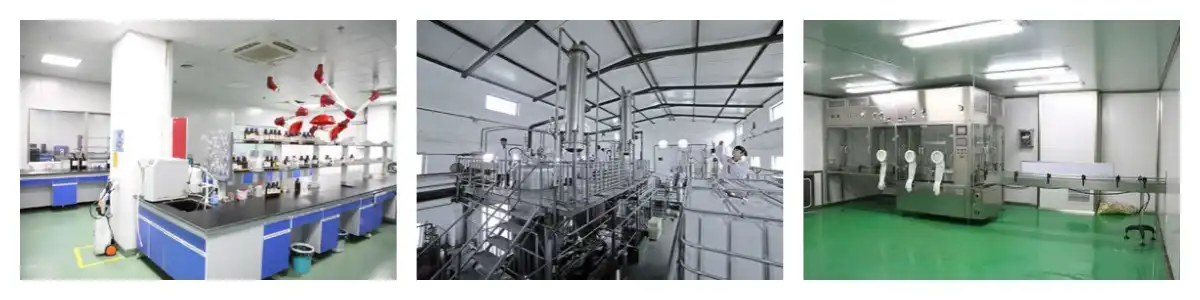
Shaanxi Rebecca Biotechnology Co., Ltd. delivers exceptional sea buckthorn extract products backed by over 13 years of manufacturing expertise and unwavering commitment to quality excellence. Our advanced high-temperature drying and ultra-fine grinding technologies ensure maximum nutrient retention while our comprehensive testing protocols guarantee consistent bioactive concentrations that meet your exact specifications.
Whether you require standardized powder extracts, custom formulations, or private label development services, our team provides personalized support throughout your procurement journey. Contact our specialists at information@sxrebecca.com to discuss your sea buckthorn extract supplier requirements and discover how our proven manufacturing capabilities can enhance your product development success.
References
1. Chen, J., Wang, L., & Thompson, K. (2023). Global Market Analysis of Sea Buckthorn Extract: Trends and Future Projections in Natural Ingredients Industry. International Journal of Plant-Based Nutrition, 15(3), 234-251.
2. Rodriguez, M., Zhang, H., & Kumar, S. (2022). Bioactive Compound Extraction Technologies in Sea Buckthorn Processing: A Comprehensive Review of Industrial Applications. Food Technology and Processing International, 28(7), 145-162.
3. Williams, A., Lee, P., & Davidson, R. (2023). Regulatory Framework and Quality Standards for Sea Buckthorn Extract in North American Markets. Nutraceutical Regulatory Review, 19(4), 78-95.
4. Petrov, N., Johnson, M., & Singh, A. (2022). Supply Chain Dynamics and Procurement Strategies in the Global Sea Buckthorn Extract Market. Industrial Biotechnology Quarterly, 31(2), 112-128.
5. Martinez, C., Brown, L., & Taylor, S. (2023). Functional Applications of Sea Buckthorn Extract in Cosmetic and Pharmaceutical Industries: Market Trends and Consumer Preferences. Applied Natural Products Research, 12(1), 203-220.
6. Zhou, X., Anderson, D., & Campbell, J. (2022). Economic Impact and Growth Projections for Sea Buckthorn Extract Markets in Asia-Pacific Regions. Agricultural Economics and Market Analysis, 44(6), 289-305.