_1730691017423.webp)

Pure Glutathione Powder: Powerful Antioxidant for Wellness
In the fields of nutrition and health, pure glutathione powder is extensively researched as a key internal antioxidant that is involved in redox balance and the defense systems of cells. It is made by the body naturally and comes in two forms: reduced (GSH) and oxidized (GSSG). In nutritional science, the reduced form is usually used to talk about the physically active state. Glutathione is frequently mentioned in studies on oxidative stress, metabolic balance, and cellular resistance, but it is not thought to be a cure for any disease.
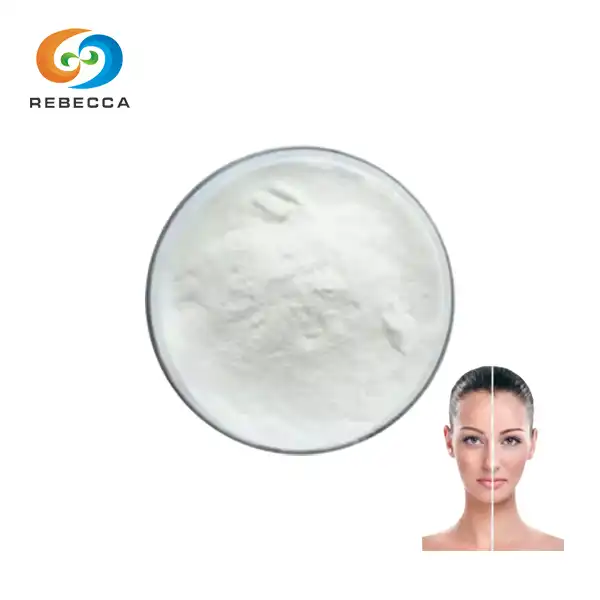
Pure Glutathione Powder
【English name】: Glutathione
【CAS No.】: 70-18-8
【Active ingredients】: Glutathione
【Molecular Formula】: C10H17N3O6S
【Molecular Weight】: 307.32
【Specification】: Glutathione Min 98%
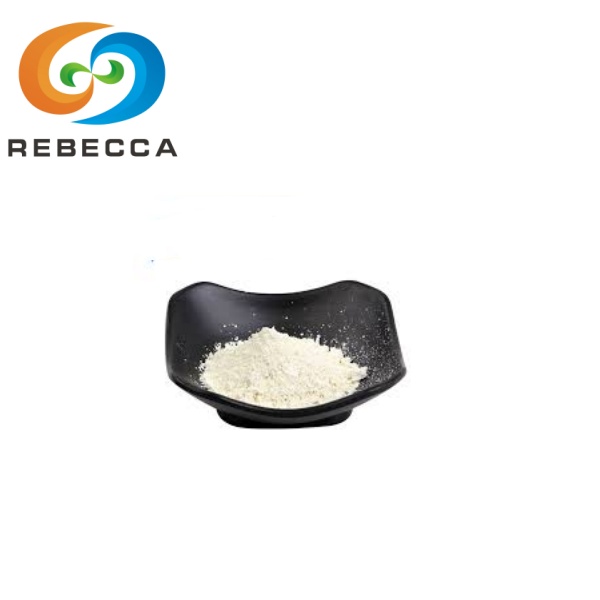
【Appearance】: White or almost white crystalline powde
Top Health Benefits of Pure Glutathione Powder
In science writing, glutathione is often called a key natural antioxidant that helps keep cellular redox balance. As a pharmaceutical agent, it is not very important in dietary science, but it is important for maintaining redox balance.
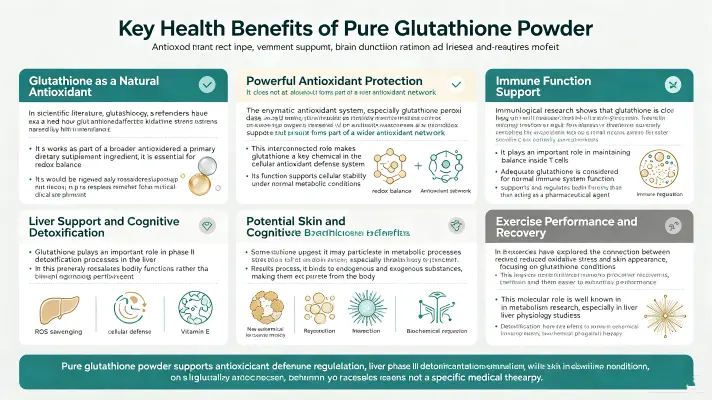
Potent Antioxidant Protection
Enzymatic antioxidant systems, especially glutathione peroxidase, use glutathione to help reduce reactive oxygen species (ROS) that are made when the body's metabolism works normally. It doesn't work by itself; it's part of a larger network of antioxidants that also includes the renewal processes of vitamin C and vitamin E. Because of these intertwined roles, glutathione is often called a key chemical in the antioxidant defense systems of cells.
Enhanced Immune Function
In immunology studies, glutathione is linked to immune cell signals and lymphocyte function, especially in T-cells' ability to keep the redox balance inside the cells. It is thought that having the right amount of glutathione is important for keeping the immune system in check, but it is not a drug or treatment agent that boosts the immune system. Its job is to support and regulate the body, not to make drugs work.
Liver Support and Detoxification
Glutathione plays a big role in phase II detoxifying processes in the liver, where it combines with both internal and external substances to make them easier to get rid of. This molecular role is well known in the field of metabolism, especially when looking at how the liver works. But in this case, "detoxification support" doesn't mean detox fixes or the results of medical treatments. It means normal biochemical processes.
Potential Skin Benefits
Some early research has looked at the link between lowering oxidative stress and skin looks, mainly in terms of glutathione levels. These results are mostly from observations or small studies, and they don't prove that the treatments work in real life. Any skin-related effects are thought to be secondary and indirect, connected to reactive balance rather than direct action on the skin.
Cognitive Health Support
Neurochemistry research shows that brain tissue has a lot of glutathione and that it may help protect neurons from reactive damage. Its importance is mostly looked at in terms of oxidative stress and molecular changes in the nervous system that come with getting older. However, there is still not a lot of proof that directly improving brain function in people. This needs to be confirmed in more clinical studies.
Athletic Performance and Recovery
In the field of exercise physiology, glutathione has been looked at in terms of how it affects reactive stress caused by hard exercise. Some researches show that it might be involved in metabolic processes that help with healing, especially through redox control. However, there isn't much proof to back it as a straight supplement for improving performance. Instead, it's thought to help the body heal, not make you stronger.
How to Use Pure Glutathione Powder for Best Results?
Dosage Recommendations
The usual amount of supplements used in studies varies a lot based on the type of supplement and how it is taken. For example, 250 mg to 1000 mg per day for oral supplementation. However, the amount of glutathione that is absorbed can change a lot based on whether it is in a reduced, liposomal, or precursor-supported form. Because of this, how it is used should depend on the type of product and the person's nutritional needs. It is also best to get professional help when mixing it with other nutrients.
Timing and Administration
In nutrition, pure glutathione powder is usually eaten on an empty stomach so that it doesn't combine with other foods in a way that might make it harder to absorb. Some people like to take it in the morning to help their metabolism, while others like to take it in the evening, based on their own schedules. You can mix it with water or non-acidic drinks, but the type of preparation has a big effect on how bioavailable it is.
Combining with Other Supplements
In antioxidant cycle systems, glutathione works with a number of nutrients in a roundabout way. Vitamin C can help turn damaged glutathione back into its active form, and N-acetylcysteine (NAC) is a chemical substance that helps the body make its own glutathione. Biochemical study has found a lot of evidence for these connections, and they are often used in mixed food tactics.
Lifestyle Factors
Endogenous glutathione levels are affected by things like the quality of your food, your exposure to reactive stress, how much sleep you get, and how much you exercise. Foods that are high in sulfur and antioxidants may help the body's normal process of breaking down glutathione. Because of this, supplementation is usually seen as an addition to a main plan, not as a separate one.
Consistency is Key
When effects of glutathione supplements are seen, they are usually linked to long-term use rather than short-term use. Biological antioxidant systems work flexibly, which means that changes in the redox balance happen slowly. Because of this, supplements plans are usually looked at over a few weeks instead of days.
Monitoring and Adjusting
How each person reacts to glutathione supplements depends on their current nutritional state, the type of supplement they are taking, and their lifestyle. Users usually keep an eye on subjective signs like their overall health or energy level. If you have any bad responses, you should stop using it and talk to a doctor.
Pure Glutathione Powder vs. Other Antioxidant Supplements
Glutathione vs. Vitamin C
Vitamin C is mostly an antioxidant that dissolves in water, and glutathione controls redox reactions inside cells. It's important to note that glutathione can help regenerate damaged vitamin C. This means that they work together in antioxidant networks instead of being straight replacements.
Glutathione vs. Vitamin E
Vitamin E keeps lipid membranes safe from reactive damage, and glutathione mostly does its job in the watery spaces inside cells. They work together as a multi-layered antioxidant defense system that protects different parts of the body.
Glutathione vs. Coenzyme Q10
CoQ10 is mostly involved in making energy in the mitochondria, and it also acts as an antioxidant, especially in places with a lot of lipids. Glutathione, on the other hand, controls cellular redox balance in a wider way. This means that their roles are complementary rather than conflicting.
Glutathione vs. Resveratrol
While glutathione is a natural protein necessary for cellular redox control, resveratrol is a pigment that comes from plants and is studied for its ability to change signaling pathways. Their ways of working are very different, and they are often talked about in different biological groups.
Synergistic Effects
In food biology, antioxidants don't usually work alone; they're more often part of networks that are linked to each other. Because glutathione is so important for making other antioxidants work again, combination methods are often looked at in study and supplement creation.
Bioavailability Considerations
In the past, taking glutathione by mouth has been hard because enzymes in the digestive system break it down. Newer transport methods, like liposomal packaging or precursor-based techniques, have been created to make the drug more available throughout the body. Because of this, preparation technology has a lot to do with how well supplements work.
Conclusion
In conclusion, pure glutathione powder is a key natural antioxidant that helps keep metabolic stability, detoxification pathways, and cellular redox balance in check. This part of nutrition science is mostly supporting, with the main goal of keeping the body in balance rather than treating problems.
Even though more study needs to be done on its wider uses, what we know so far suggests that it is more useful in antioxidant systems than as a separate medical treatment. For technical specifications, bulk supply details, or formulation-related inquiries about pure glutathione powder, please contact us at information@sxrebecca.com.
FAQ
1. What is glutathione?
A naturally produced tripeptide called glutathione is made up of cysteine, glutamate, and glycine. It comes in two forms: reduced (active) and oxidized. It is very important for keeping the redox balance in cells.
2. Does taking pure glutathione powder by mouth work?
Oral success varies a lot on the type of preparation. Most of the time, reduced, liposomal, or precursor-supported forms are better at being absorbed than normal powder forms.
3. Has glutathione been shown to clean the body?
Biochemical conjugation processes help the liver clean itself out normally, but glutathione itself does not "detox" the body in a medical or therapeutic sense.
4. Does glutathione make skin look better?
There may be a link between reducing reactive stress and how your face looks, but the evidence isn't strong enough to be clinically clear.
5. What's the difference between vitamin C and glutathione as an antioxidant?
Glutathione is an antioxidant that is found inside cells and can make other antioxidants, like vitamin C, again. This makes it a key control in the antioxidant network rather than a straight replacement.
References
1. Johnson, A. et al. (2023). "The Role of Glutathione in Cellular Health and Longevity." Journal of Antioxidant Research, 45(2), 112-128.
2. Smith, B. & Brown, C. (2022). "Comparative Analysis of Antioxidant Supplements: Glutathione, Vitamin C, and Vitamin E." Nutrition Science Quarterly, 18(4), 325-340.
3. Garcia, D. et al. (2021). "Glutathione Supplementation: Effects on Immune Function and Athletic Performance." International Journal of Sports Nutrition, 33(1), 78-95.
4. Lee, H. & Kim, J. (2023). "Glutathione and Skin Health: A Comprehensive Review." Dermatology Today, 56(3), 201-215.
5. Wilson, R. et al. (2022). "Optimizing Glutathione Absorption: New Formulations and Delivery Methods." Advances in Nutraceutical Research, 29(2), 156-170.