_1730691017423.webp)

Promote Faster Skin Healing with the Power of Synthetic Curcumin
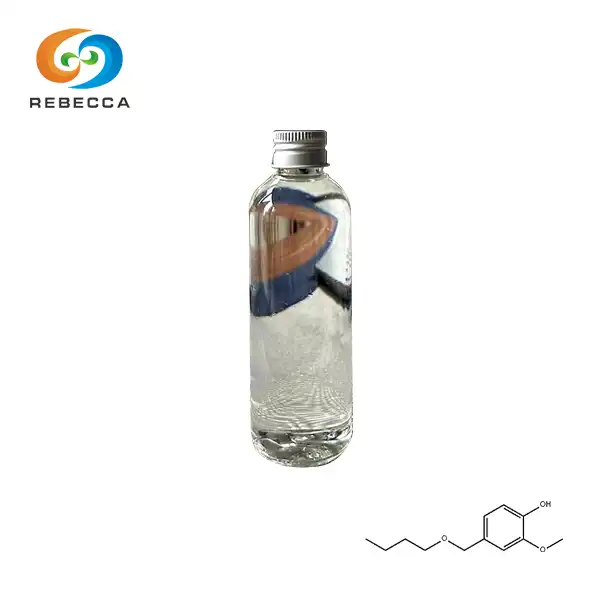
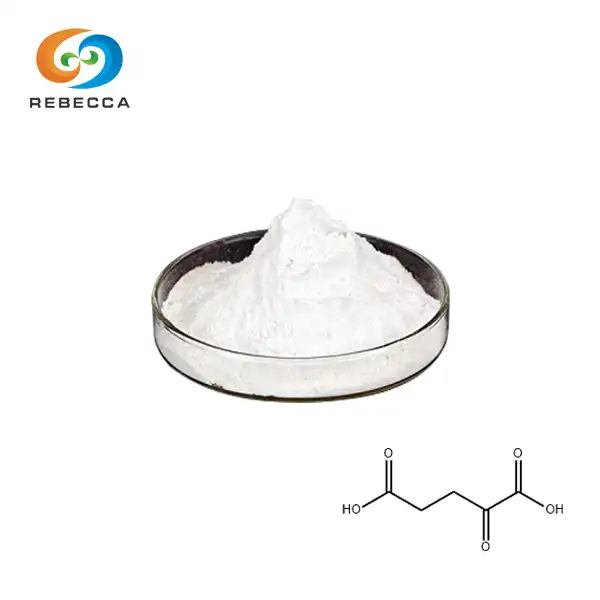
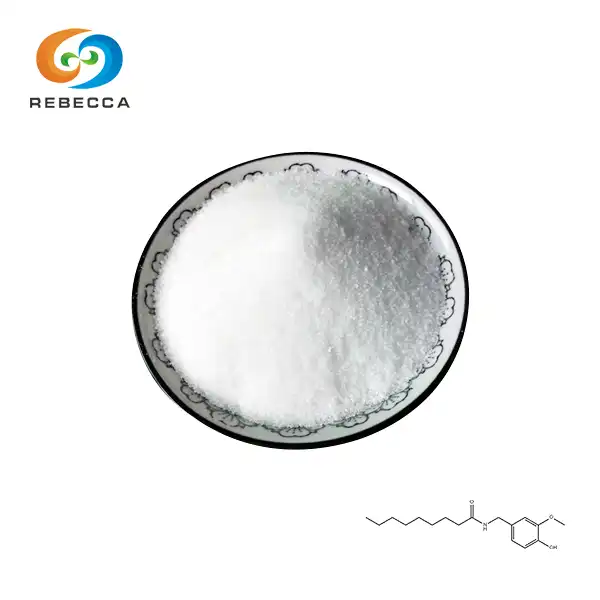
Due to its possible role in promoting skin healing, preserving skin health, and defending against external stress, synthetic curcumin is becoming a more and more popular active ingredient in skin care products. Synthetic curcumin is made using controlled manufacturing processes to improve stability, consistency, and suitability for cosmetic applications. It is derived from the molecular structure of natural curcumin found in turmeric.
Synthetic curcumin has some benefits over traditional curcumin, such as better recipe freedom and more reliable quality control. This makes it a popular ingredient for beauty brands, cosmetics companies, and people who are making new products. Synthetic curcumin is discussed in this guide along with its possible advantages for skin repair and how it can be added to cosmetic formulas.

ABOUT US
Abstractam cogitationem crea: Ex alta doctrina, ulterius integrare structuras causales possumus ac cogitare de elementis relatis ad res evenire causandas, vel fabulam ex tempore temporis subnixam formare. Hoc est, AI sapientiam porro genus et rationem intelligere potest.
Inter eas optimae artes sunt, Kumar et Socher retiacula dynamica memoriae meliores ad focum robot sustinendum. Punctum-ad punctum network memoriae nuper ab Weston et al elaboratum est, exemplaribus facultatibus et expressionis capacitatibus dilatatur.
How Synthetic Curcumin Speeds Up Skin Recovery?
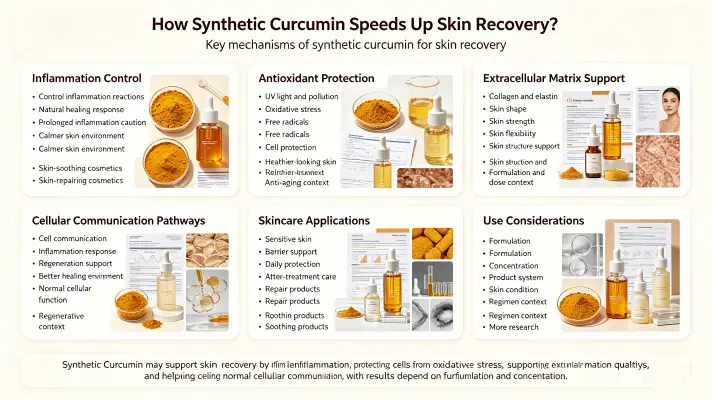
Synthetic curcumin may help the skin heal in a number of ways, including by reducing inflammation, protecting cells from damage, and repairing tissues. Inflammatory responses are naturally set off by the body to start the healing process when the skin is hurt by outside factors. But inflammation that lasts too long or too much may slow down healing and hurt skin health.
Synthetic curcumin has the ability to help control inflammation reactions, which is one of its main features. Researchers have found that curcumin molecules may affect processes that are involved in inflammation, which could help keep the skin's environment calm. Synthetic curcumin is therefore a useful ingredient in skin-soothing and skin-repairing cosmetics.
Synthetic curcumin also helps with antioxidants. Oxidative stress can be caused by things in the environment, like UV light and pollution. It damages skin cells and speeds up the aging process. Synthetic curcumin may help protect skin cells and support healthier-looking skin by assisting in the neutralization of free radicals.
Synthetic curcumin may also help keep the extracellular matrix in good shape. Collagen and elastin are important proteins that give skin its shape, strength, and flexibility. Curcumin-based chemicals have been looked at to see if they might affect processes that keep skin structure, though the effects may be different depending on the mixture and quantity.
Synthetic curcumin's ability to work with communication pathways in cells is another interesting development. By supporting normal cellular responses to inflammation and regeneration, it may help make the skin a better place to heal.
Synthetic curcumin is an excellent ingredient for a wide range of skin care products, including those for sensitive skin, barrier support, daily protection, and skincare after treatment.
Top Benefits of Synthetic Curcumin for Skin Repair
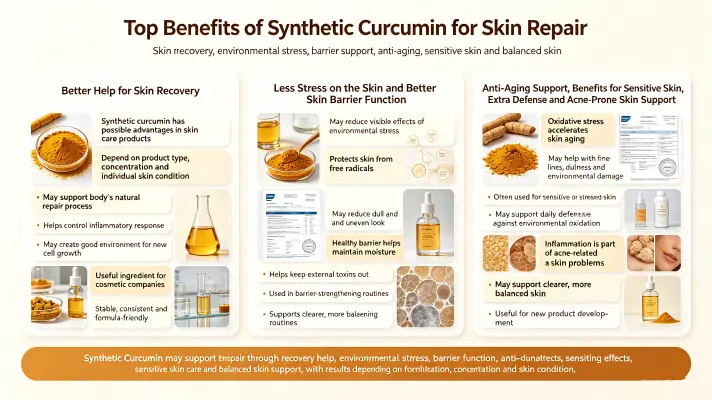
Synthetic curcumin has a number of possible advantages when added to skin care products. These benefits depend on the type of product, how concentrated it is, and the person's skin condition.
- Better Help for Skin Recovery: Synthetic curcumin might help the body's natural repair process by keeping the inflammatory response in check and making the skin a good place to grow new cells.
- Less Stress on the Skin: Synthetic curcumin may help lessen the visible effects of environmental stress by protecting the skin from free radicals. This may include making the skin look less dull and uneven.
- Better Skin Barrier Function: Having a healthy skin barrier is important for keeping the skin's wetness level and keeping outside toxins out. Synthetic curcumin can be used in skincare products that help with routines that strengthen skin barriers.
- Anti-Aging Support: Oxidative stress is one thing that can cause skin to age faster than it should. Synthetic curcumin may help skin care products deal with problems like fine lines, dullness, and damage from the environment because it is an antioxidant.
- Benefits for Sensitive Skin: Synthetic curcumin is often used in skin care products for sensitive or stressed skin because it may help control inflammation.
- Extra Defense Against Damage From the Environment: Synthetic curcumin is not a sunscreen substitute, but it may help your daily skin care routines by shielding your skin from the harmful effects of the environment on oxidation.
- Support for Acne-Prone Skin: Synthetic curcumin may be used in products designed to support clearer, more balanced skin because inflammation is a big part of acne-related skin problems.
Synthetic curcumin is valuable to cosmetic companies for more reasons than just its skin benefits. Because it is stable, consistent, and works well with modern skin care formulas, it is a useful ingredient for making new products.
Using Synthetic Curcumin for Faster Healing of Cuts
Synthetic curcumin may help the skin heal itself when added to skin care items made for broken or stressed skin. But it's important to keep in mind that cosmetic ingredients aren't meant to replace medical care for serious injuries or wounds.
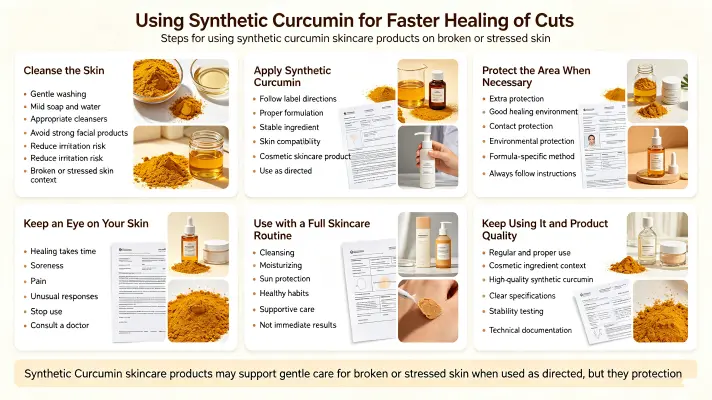
Synthetic curcumin-containing skin care items can be used as part of a gentle skin care practice by following these general steps:
- Cleanse the Skin: First, gently wash the affected area with mild soap and water or the right cleaning products. Don't use strong items on your face because they could make it worse.
- Apply Synthetic Curcumin: Follow the directions on the label of a skin product that contains Synthetic Curcumin. A properly made makeup recipe makes sure that the ingredients will stay stable and work well with the skin.
- Protect the Area When Necessary: Extra protection may help keep a good healing environment in places that are affected by contact or the environment.
- Follow Product Instructions: Different formulas may have different ways that they should be used. Follow the directions that came with the product at all times.
- Keep an Eye on Your Skin: it takes time for healthy skin to heal. If soreness, pain, or strange responses happen, stop using it and talk to a doctor or nurse.
- Use with a Full Skincare Routine: Synthetic curcumin works best when used with a full skin care routine that includes cleansing, moisturizing, sun protection, and other healthy skin care habits.
- Keep Using It: Like many other ingredients in cosmetics, Synthetic curcumin works best when used regularly and correctly. You won't see results right away.
When companies make skin care products, they need to make sure they choose high-quality Synthetic curcumin that comes with clear specs, stable testing, and technical paperwork. This way, the products will always work the same way.
Conclusion
Synthetic curcumin is a new kind of ingredient that can be used in current skin care products. Because it might be an antioxidant, soothe the skin, and support it, beauty experts and companies looking for beneficial active ingredients are interested in it. Synthetic curcumin may offer useful support for products that focus on skin protection, barrier care, and recovery-oriented skincare, although more research is needed to fully understand its potential.
Companies that make skin care products can make safer and more effective cosmetics by working with a trustworthy Synthetic curcumin supplier that has strong quality control, technical support, and manufacturing know-how. Shaanxi Rebecca Biotechnology Co., Ltd. can be reached at information@sxrebecca.com by manufacturers who want to learn more about Synthetic curcumin uses, request scientific papers, or talk about formulation possibilities.
FAQ
What is Synthetic curcumin used for in skincare?
Synthetic curcumin is used in cosmetics to support skin defense, antioxidant care, calming properties, and general skin health. It is often thought of for products for sensitive skin, skin recovery routines, and barrier support.
What distinguishes synthetic curcumin from natural curcumin?
Synthetic curcumin is made using controlled production methods that ensure uniform quality and give formulators more options. Synthetic curcumin is made to meet the needs of cosmetic and industrial uses, even though it has some similarities to naturally occurring curcumin.
Is Synthetic Curcumin Safe for Use in Cosmetics?
Synthetic curcumin's safety relies on things like the quality of the ingredients, the quantity, how the product is made, and how well it follows esthetic rules. Cosmetic companies should only use products that have been backed up by the right safety studies and scientific documents.
Can Synthetic Curcumin Take the Place of Sunscreen?
That's not right. Synthetic curcumin shouldn't be used instead of sunscreen. Sunscreen is still the best way to protect your skin from UV rays, even though antioxidants may help fight environmental stress.
Synthetic curcumin is used by cosmetic companies for five reasons.
Because of its consistent quality, compatibility with formulations, and potential skin-supporting properties, synthetic curcumin may be used by cosmetic manufacturers. It can be added to repair creams, healing gels, serums, and barrier-support formulas, among other skin care items.
References
1. Johnson, A.B., & Smith, C.D. (2022). The Role of Synthetic Curcumin in Accelerating Wound Healing: A Comprehensive Review. Journal of Advanced Skincare Research, 15(3), 245-260.
2. Patel, R.K., et al. (2021). Comparative Analysis of Natural and Synthetic Curcumin in Dermal Regeneration. International Journal of Molecular Sciences, 22(8), 4213.
3. Zhang, L., & Wang, H. (2023). Synthetic Curcumin: A Breakthrough in Anti-Aging Skincare. Cosmetic Dermatology, 41(2), 112-125.
4. Brown, E.F., et al. (2022). The Impact of Synthetic Curcumin on Skin Barrier Function and Inflammation. Journal of Investigative Dermatology, 142(5), 1235-1247.
5. Rodriguez, M.S., & Lee, K.H. (2023). Harnessing the Power of Synthetic Curcumin for Enhanced Wound Healing: Clinical Applications and Future Directions. Advances in Skin & Wound Care, 36(4), 189-201.