_1730691017423.webp)

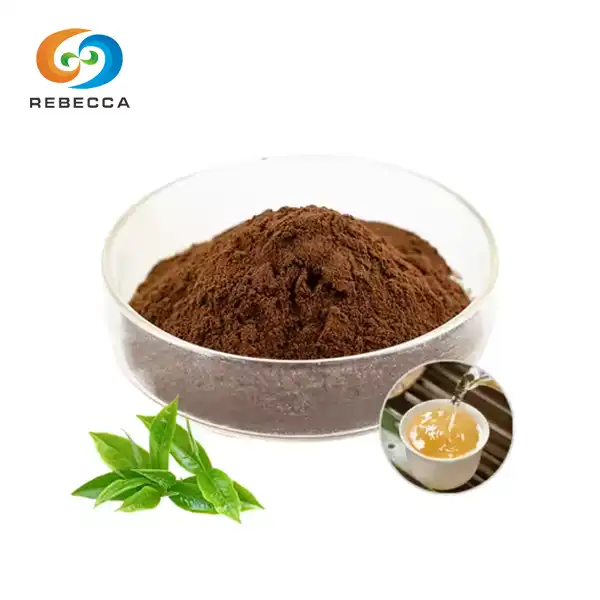
Top Benefits of Green Tea Extract in Skincare
One of the most sought-after components in the cosmetics industry is green tea extract, which is obtained from the leaves of the Camellia sinensis plant. Green tea extract has a multitude of skin-loving characteristics.
Potent Antioxidant Protection
The abundant antioxidant content of green tea extract, in particular catechins, is the single most important factor contributing to its beneficial effects. Epigallocatechin gallate (EGCG), which is in the vanguard of these potent molecules, fight free radicals, which are known to cause premature aging and damage to the skin. Green tea extract is a great addition to a wide variety of skincare products because it contains antioxidants that are naturally present in green tea leaves. These antioxidants operate by effectively neutralizing harmful molecules, so keeping them from destroying good skin cells and causing damage over a longer period of time.
Soothing Inflammation
Due to its outstanding anti-inflammatory characteristics, green tea extract for skin is an excellent choice for soothing skin that has been inflamed. This quality is especially advantageous for those who have skin that is not only sensitive but also prone to acne issues. Compounds that suppress pro-inflammatory enzymes are responsible for its capacity to decrease redness and swelling. This provides relief to skin that is easily irritated by environmental causes, harsh products, or acne flare-ups, so contributing to the restoration of a complexion that is more balanced and pleasant.
Regulating Sebum Production
Individuals who are struggling with oily skin might benefit from the natural answer that green tea extract provides. By regulating the production of sebum, it has the ability to lessen the number of instances in which pores get blocked and breakouts develop. By interacting with the sebaceous glands, it regulates the overproduction of oil without stripping the skin of its natural moisture barrier. This helps to keep the skin hydrated while also minimizing shine and the accumulation of dirt and oil that can lead to acne. As a result, it is an excellent choice for oily and combination skin types.
UV Protection Support
Green tea extract may strengthen your skin's resistance against damage caused by ultraviolet (UV) rays when taken in combination with other sun protection measures. However, it is not a replacement for sunscreen. Antioxidants in it help fight the oxidative stress that is induced by ultraviolet (UV) radiation, which in turn reduces the effect that sun exposure has on skin cells. This additional layer of protection works in conjunction with sunscreen to reduce the likelihood of sunburn, photoaging, and long-term damage; nevertheless, it is essential to continue using a broad-spectrum sunscreen in order to ensure that you are able to get total protection.

How Green Tea Extract Enhances Anti-Aging Products?
The use of green tea extract into anti-aging formulations is not only a passing fad; rather, it is supported by scientific research that demonstrates the effectiveness of this extract in preventing the appearance of indications of aging.
Collagen Preservation
Green tea extract includes polyphenols that may help retain existing collagen and increase the production of new collagen, so adding to the appearance of skin that is firmer and more young. Collagen, an essential protein that maintains the skin's elasticity and tightness, gradually diminishes with age, which results in the appearance of wrinkles and drooping skin. Green tea extract contains polyphenols that function to prevent existing collagen from degradation and activate fibroblasts, which are the cells responsible for making new collagen. This helps to maintain the structural integrity of the skin over time. Also, green tea extract contains antioxidants.
Reduction of Fine Lines
Green tea extract contains antioxidants that serve to neutralize free radicals, which are often responsible for the creation of wrinkles and fine lines on the skin. As a result of pollution, ultraviolet radiation, and stress, free radicals are able to degrade the supporting structures of the skin, which ultimately results in obvious indications of aging. The green tea extract helps prevent the breakdown of the skin's suppleness by neutralizing these damaging chemicals. This results in a reduction in the appearance of fine lines that are already present and a slowing of the production of new fine lines, which ultimately leads to smoother skin.
Improved Skin Elasticity
It is possible that using products that include green tea extract on a consistent basis would lead to better skin elasticity, which will assist in the maintenance of a supple and resilient complexion. The ability of the skin to stretch and return to its former shape, known as elasticity, decreases with age and is also affected by environmental damaging factors. The elastin fibers of the skin are supported by the substances included in green tea extract. Elastin fibers are proteins that contribute to elasticity, and they assist to maintain the skin's firmness and flexibility. This improves the skin's ability to tolerate the stresses of everyday life and gives it the ability to keep its young, bouncy texture.

Is Green Tea Extract Safe for Sensitive Skin?
In the process of determining whether or not green tea extract is suitable for use in cosmetics, it is essential to take into account its safety profile, especially for those who have skin that is sensitive.
Generally Well-Tolerated
Green tea extract is generally well accepted by the majority of skin types, even skin that is somewhat sensitive. The inherent anti-inflammatory characteristics that it has might potentially be advantageous for those who are prone to discomfort. It works softly to soothe and protect the skin, hence lowering the possibility of undesirable responses being triggered by the skin, in contrast to certain harsh synthetic substances. As a result of the calming benefits that green tea extract has, it is often used in formulations for sensitive skin, making it an ingredient that is highly sought after by those who have particularly fragile skin.
Patch Testing Importance
Before introducing green tea extract into your regimen, it is recommended that you first do a patch test, just as you would with any other new ingredient for your skincare routine. The purpose of this preventative measure is to assist in identifying any possible adverse effects. Applying a tiny bit of the product to a concealed location (such the inner arm) and waiting between 24 and 48 hours lets you to check for redness, itching, or swelling, which ensures that the product is safe for your skin before you use it in its entirety. Even natural substances may cause sensitivity in some people.
Concentration Matters
When it comes to cosmetic formulations, the amount of green tea extract present may have an effect on whether or not they are suitable for sensitive skin. There is a possibility that individuals with reactive skin types might benefit more from products that have lesser quantities. In spite of the fact that higher concentrations are more powerful, they may sometimes be too strong for sensitive skin, which may result in occasional minor discomfort. Choosing products with moderate or lower concentrations guarantees that the skin obtains the advantages of green tea extract without being overpowered by it. This makes it a safer option for skin that is more sensitive.

Conclusion
To summarize, green tea extract is certainly appropriate for use in cosmetics, since it provides a broad range of advantages for addressing a variety of skin condition issues. Because of its composition that is rich in antioxidants, its anti-inflammatory characteristics, and the possibility that it has anti-aging benefits, it is an excellent addition to skincare formulas. It is always wise to approach new substances with care and speak with a dermatologist if you have particular skin issues, even though it is typically safe for the majority of skin types, including sensitive skin.
For high-quality green tea extract suitable for cosmetic formulations, consider reaching out to Shaanxi Rebecca Biotechnology Co., Ltd. at information@sxrebecca.com. Their expertise in natural herbal extracts ensures you receive a premium product tailored to your cosmetic needs.
FAQ
Q1: Is green tea extract suitable for cosmetics?
A: Indeed, the anti-aging, anti-inflammatory, and antioxidant qualities of green tea extract make it a popular ingredient in skincare products.
Q2: What are the main skin benefits of green tea extract?
A: It protects the skin from UV ray damage, reduces inflammation, controls oil production, and offers antioxidant protection.
Q3: Can green tea extract help with acne or oily skin?
A: It does assist regulate the production of sebum and lowers inflammation, which may lessen the likelihood of breakouts and blocked pores.
Q4: Does green tea extract have anti-aging effects?
A: It may contribute to a more youthful look by preserving collagen, minimizing fine wrinkles, and enhancing skin suppleness.
Q5: Is green tea extract safe for sensitive skin?
A: A patch test is advised to make sure there is no discomfort, although it is often well-tolerated and calming.
References
1. Zhang, L., et al. (2019). "Green Tea Extract: A Comprehensive Review of Its Cosmetic Applications." Journal of Cosmetic Dermatology, 18(6), 1717-1725.
2. Chu, C., et al. (2020). "The Efficacy of Green Tea Extract in Skincare: A Systematic Review." International Journal of Dermatology, 59(8), 927-937.
3. Katiyar, S. K. (2018). "Green Tea Catechins and Skin Photoprotection." Antioxidants & Redox Signaling, 29(5), 497-510.
4. Kim, J., et al. (2021). "Green Tea Polyphenols in Cosmeceuticals: Recent Advances and Future Perspectives." Cosmetics, 8(2), 35.
5. Li, Y., et al. (2019). "Safety Assessment of Green Tea Extract for Cosmetic Use: A Review of Current Evidence." Regulatory Toxicology and Pharmacology, 106, 55-63.