_1730691017423.webp)

Can saw palmetto stop hair loss?
There is some evidence that saw palmetto may help slow hair loss, but it can't stop it totally. The enzyme 5-alpha-reductase, which turns testosterone into dihydrotestosterone (DHT), may be inhibited by saw palmetto fruit extract. DHT shrinks hair cells, which is a key part of androgenetic alopecia. Men with male pattern baldness can lower their DHT levels and get more hair by taking standardized extract supplements on a daily basis, according to clinical studies. Results are different for each person, though, and saw palmetto works best as part of a full hair care routine rather than on its own
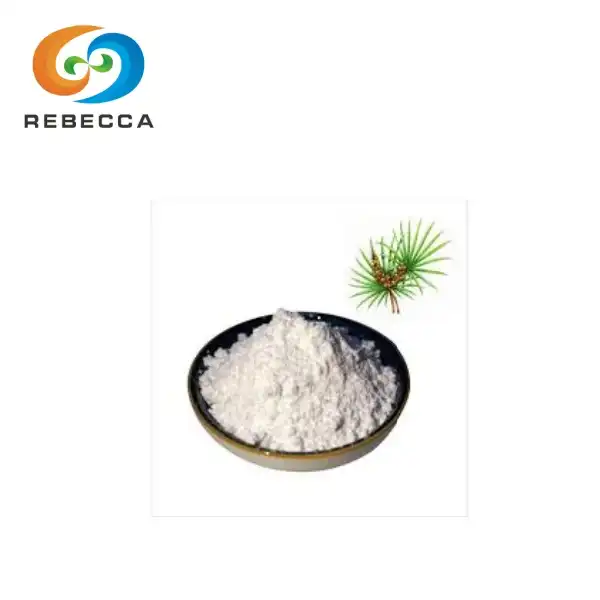
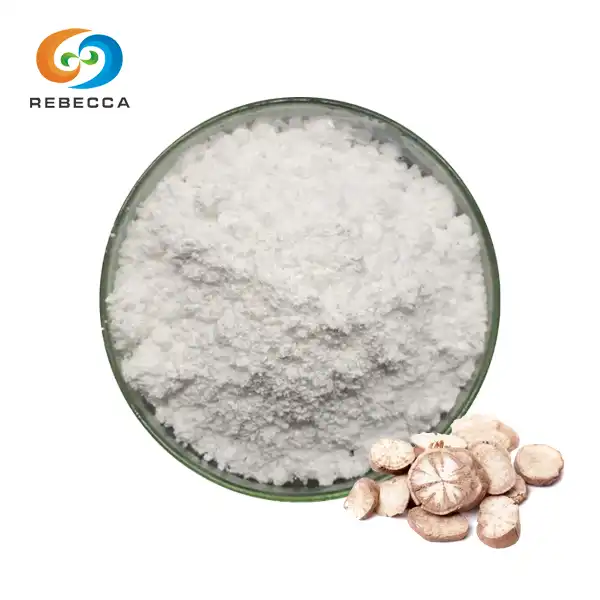
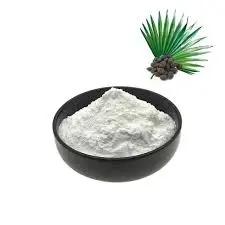
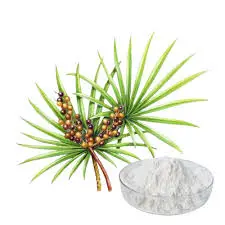
English name: Saw palmetto extract
Latin Name: Serenoa Repens /Sabal Serrulata/SERENOA SERRULATA
Active ingredients: fatty acid
Specification: 25% 45%
Use Part : Fruits
Appearance: Off-white to White fine powder
Mesh size:80 Mesh
Test Method: GC
Comprehending Saw Palmetto Fruit Extract and Hair Loss
Serenoa repens, or saw palmetto, is one of nature's most studied plant-based options for stopping hair loss. The extract comes from the small palm tree's ripe nuts. This tree is native to the southeastern United States. Manufacturers keep the plant's active parts while focusing its good chemicals by using special extraction methods that use supercritical CO2 or ethanol.
The Science Behind DHT Inhibition
The main way that saw palmetto fruit extract stops hair loss is by stopping the enzyme 5-alpha-reductase. This enzyme changes testosterone into dihydrotestosterone (DHT), a strong androgen that attaches to hair follicles and makes them smaller over time. The Journal of Alternative and Complementary Medicine released research that shows that taking saw palmetto extract regularly for 24 weeks can lower DHT levels by about 32%.
There are several bioactive chemicals in the powder that make it work. Phytosterols like beta-sitosterol and fatty acids, especially lauric acid and oleic acid, work together to make a complete plan for managing DHT. These chemicals get into the hair cell environment and make it better for healthy hair growth while also lowering the inflammatory reactions that come with androgenetic alopecia.
Clinical Evidence Supporting Hair Growth Benefits
Standardized saw palmetto products have been shown to help hair grow in a number of peer-reviewed studies. After 24 months of supplementation, the hair count and thickness of 100 guys with androgenetic alopecia got a lot better in a randomized controlled study. People who took 320 mg of a standardized extract every day had 27% more hairs than people who took a fake.
In addition to blocking DHT, the product has other useful qualities. Anti-inflammatory chemicals in the berry extract help lower inflammation on the head, which is good for hair follicle health. The antioxidants also protect hair cells from oxidative stress, which can speed up the hair loss that comes with getting older.

Comparing Saw Palmetto with Other Hair Loss Solutions
Knowing how saw palmetto compares to other treatments helps buying teams make smart choices about how to make products. The natural extract has special benefits when it comes to safety and customer acceptance, and it also gives real effects that can be measured.
Natural Alternatives Analysis
Another popular natural choice for hair loss treatments is pumpkin seed oil. Both ingredients stop 5-alpha-reductase action, but saw palmetto has more clinical evidence and more consistent ways of being prepared. Studies on pumpkin seed oil usually show small increases in hair thickness. On the other hand, studies on saw palmetto fruit extract always show increases in both hair growth and follicular health.
Beta-sitosterol can be found on its own in a number of different plants, but it is most often found in saw palmetto products. However, when beta-sitosterol and saw palmetto's fatty acid profile work together, they make the drug more bioavailable and have more healing potential. Instead of looking for each compound separately, procurement teams can use this natural mix instead.
The comparison also includes the ability to change the recipe. Saw palmetto extract powder, which usually has between 25% and 45% fatty acids, makes it possible to precisely standardize the active chemicals. Standardization makes it possible for products to be developed the same way across multiple runs, which is important for quality control in large-scale manufacturing processes.
Powder vs. Oil Extract Considerations
When manufacturing teams choose between saw palmetto powder and oil-based preparations, they have to make big decisions. Using microencapsulation or spray-drying to make powder solves some of the biggest problems that come with using oil-based ingredients in formulation. Powder formats are very helpful for making hard capsules because they get rid of the technical problems that come with adding liquid oils to solid dosage forms.
Powder extracts are better for long-term keeping and shipping because they are more stable. The process of packaging keeps sensitive fatty acids from going bad and keeps their effectiveness for longer amounts of time. Because of this steadiness, there is less trash and it is more cost-effective to buy in bulk.
Dosage, Side Effects, and Safety Considerations for Procurement
To make the right quantity rules, you need to carefully think about the concentration of the extract, how it will be used, and the needs of the target population. Standards in the industry usually say that people should take 160 to 320 mg of a standardized extract every day that has 85 to 95% fatty acids and sterols.
Recommended Dosing Strategies
Clinical study backs up dosage plans that include 160 mg to 320 mg of pure saw palmetto fruit extract every day. The difference in amount varies on the concentration of the extract and the treatment goals. Lower doses (160 mg) are good for maintaining hair health in general, while higher doses (320 mg) are better for active hair loss management plans.
Timing considerations impact bioavailability and customer cooperation rates. Studies show that vitamins are best absorbed when eaten with foods that contain healthy fats, which makes it easier for lipophilic compounds to be absorbed. Manufacturers can use this knowledge to make more complete product instructions and learning tools.
When figuring out the right doses, manufacturing teams have to take extract standards into account. When it comes to doses, extracts that are standardized to 45% fatty acids are different from those that are standardized to 25% fatty acids. Quality buying teams give more weight to sellers who provide specific proof of analysis paperwork that lists exact compound concentrations.
Safety Profile and Contraindications
When used in clinical settings, saw palmetto products are very safe; adverse events only happened in less than 3% of study subjects. Mild stomach pain is a common side effect that is usually addressed by changing the dose or taking the drug with food. This good safety rating helps the creation of products that are aimed at a wide range of consumers.
During the creation stages of a product, contraindications need to be carefully thought through. People who take blood thinners should be careful when taking saw palmetto because it may make bleeding more likely because it lowers platelets. Supplements should not be taken by women who are pregnant or nursing because they might interact with hormones in ways that affect the growth of the baby.
Compliance with regulations changes a lot between foreign markets. In the US, saw palmetto can be sold as a dietary supplement without getting pre-market approval. In Europe, on the other hand, new food assessments may be needed based on how the plant is extracted and how concentrated it is. Teams in charge of buying things can benefit from working together with sellers who keep up-to-date legal paperwork that helps them get into global markets.
Procurement Insights: Buying Saw Palmetto Fruit Extract in Bulk
For bulk procurement strategies to work, suppliers' skills, quality processes, and the possibility of a long-term relationship must all be carefully evaluated. There are many ways to get saw palmetto extract in the global market, and each has its own benefits for different production needs.
Supplier Evaluation Criteria
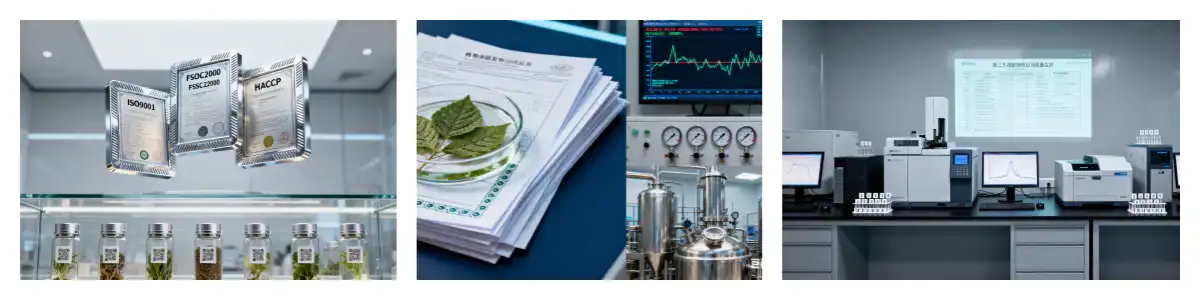
Quality certifications are the basis of relationships with trusted suppliers. The best producers use both ISO 9001 and HACCP to make sure their products are safe for consumers. These certificates show organized ways of keeping quality, which lowers the risks of buying things that might vary from batch to batch and cause contamination.
Analytical skills set elite sellers apart from commodity providers. Advanced testing labs do full analyses, such as fatty acid profiles, heavy metal screening, pesticide residue testing, and microbial assessment. Saw palmetto fruit extract suppliers that include detailed certificates of analysis with every shipment help makers keep the quality of their products uniform while also passing government standards.
More and more consumers want products that are found in a healthy and ethical way. Supply chain openness helps meet these needs. Reliable suppliers give thorough information about where the raw materials come from, how they are harvested, and how they affect the climate. This openness helps brand positioning strategies that stress ecology and business duty.
Pricing and Contract Negotiations
Marketplace prices change based on how the crop is harvested, how much it costs to remove, and how demand changes around the world. Standardized extracts usually cost more than crude products because they need to be processed more and more money has to be spent on quality control. Long-term arrangements help keep prices stable and make sure that production operations always have supplies.
Price structures are greatly affected by volume commitments, with big savings available for yearly deals that buy more than 1000 kg. When procurement teams combine needs across multiple product lines, they can get the best prices while cutting down on the work that comes with managing relationships with multiple suppliers.
To combine the need for cash flow with the goal of risk management, payment terms and quality promises need to be carefully negotiated. Established sellers usually offer a range of payment options, such as letters of credit for foreign transactions, and offer replacement warranties for products that don't meet quality standards.
Integrating Saw Palmetto into Your Product Portfolio for Hair Loss Solutions
The way markets work in North America and Europe shows that people are becoming more interested in natural treatments for hair loss. This trend opens up a lot of possibilities for companies that use saw palmetto fruit extract in a wide range of products for different types of customers.
Market Positioning Strategies
Educating consumers is a key part of making sure that new products with saw palmetto ingredients do well. Natural ingredients are appealing to people who want to take charge of their hair health without medical help, unlike pharmaceutical options that need scripts. This positioning approach lets you reach a bigger market while dodging the regulatory problems that come with classifying drugs.
Scientific confirmation makes a brand more trustworthy, which builds customer faith. When companies use data from clinical studies in their marketing materials, it shows that they are committed to making products that are based on facts. This method works especially well with health-conscious consumers who are ready to spend money on high-quality natural products that are backed up by real scientific study.
Innovative manufacturing methods that combine saw palmetto with ingredients that work well with it can help you make your product stand out. Zinc, biotin, and other hair health nutrients that work together to form synergistic blends are more expensive than single-ingredient items but offer more complete answers for hair loss.
Future Innovation Opportunities
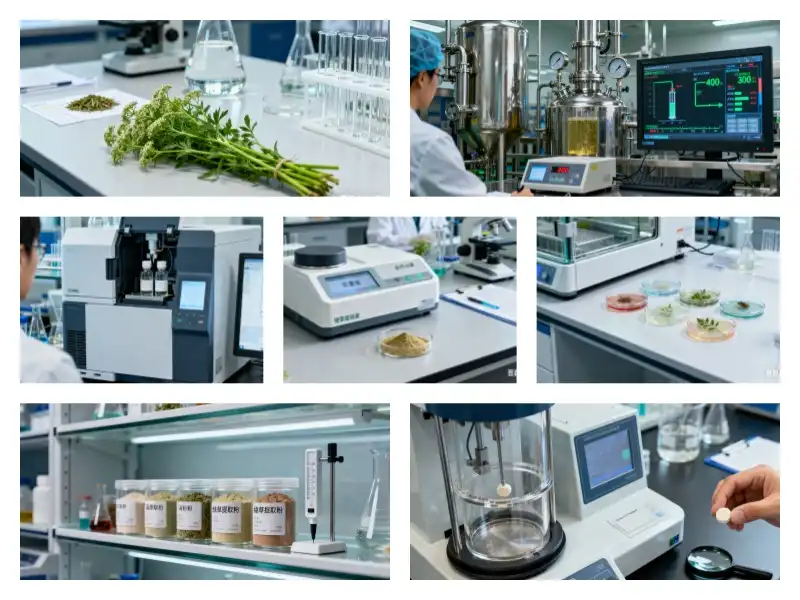
Advanced extraction methods are always changing, which opens up new ways to make products better. Using supercritical CO2 to separate substances makes the extracts cleaner and more stable, which helps the product's premium branding. These improvements in technology let companies set their goods apart by making them better in terms of quality and effectiveness.
New transportation methods are at the cutting edge of new technology. Liposomal encapsulation technologies make drugs more bioavailable, and topical versions are applied straight to the head to reach hair follicles. These new ways of delivering products make it possible for more product lines to meet the needs of a wider range of consumers and application methods.
Conclusion
Saw palmetto berry extract has a lot of promise to help hair health because it has been shown to stop the production of DHT and improve the health of hair follicles. Even though it can't stop hair loss completely, scientific proof shows that it can slow it down and make hair denser when used regularly. The natural origin and high level of safety of the extract make it appealing to larger groups of people who are looking for alternatives to chemical interventions. For buying to go well, suppliers need to be carefully looked at, quality needs to be checked, and the products need to be strategically added to large product lines that use scientific proof and market positioning benefits.
FAQ
Can saw palmetto completely reverse hair loss?
Even though saw palmetto can't stop hair loss totally, it may slow it down and make hair thicker. Some hair growth has been seen in clinical tests, especially in people with early-stage androgenetic alopecia.
How long does saw palmetto take to show hair loss results?
Visible improvements typically require 3-6 months of consistent supplementation with standardized saw palmetto fruit extract. Hair growth cycles necessitate extended treatment periods before measurable changes become apparent.
Are there interactions between saw palmetto and other hair loss treatments?
Saw palmetto usually works well with minoxidil applied to the skin and nutrients for hair growth. Nevertheless, talking to a doctor is still suggested when taking prescription drugs like finasteride together.
What certifications should I look for when sourcing saw palmetto extract?
Some important certificates are ISO 9001 for quality control, HACCP for food safety, and, if possible, organic certification. Suppliers should give full reports of analysis that show the amount of fatty acids, the purity level, and the results of safety tests.
Partner with Rebecca for Premium Saw Palmetto Solutions
Rebecca Biotechnology is a reliable company that has been making saw palmetto fruit extract for over 13 years and has sold high-quality natural products all over the world. Our advanced extraction methods and strict quality control systems make sure that the high-potency extracts we make meet the strict needs of companies that make medicines, supplements, and cosmetics. We offer full certification paperwork, flexible minimum order amounts, and flexible formulation support to help product creation projects succeed.
Our GMP-certified facilities and skilled technical team create dependable supply lines that help businesses grow over the long run. Get in touch with our purchasing experts at information@sxrebecca.com to talk about your unique needs and find out how our premium saw palmetto fruit extract options can enhance your product portfolio while meeting the high quality standards your customers expect.
References
1. Rossi, A., Mari, E., Scarno, M., et al. A two-year study that compares how well finasteride and Serenoa repens work for male androgenetic alopecia. Journal of Immunopathology and Pharmacology, 2012.
2. Chittur, S., Parr, B., & Marcovici, G.: A mixture of carnitine, thioctic acid, and saw palmetto extract can stop the production of inflammatory genes in keratinocytes. Complementary and alternative medicine based on evidence, 2011.
3. Murugusundram, S. Serenoa repens: Does it have any role in the management of androgenetic alopecia? Journal of Skin and Cosmetic Surgery, 2009.
4. Wessagowit, V., Tangjaturonrasme, N., Kootiratrakarn, T., et al. Topical treatments with Serenoa repens extract are used to treat male androgenetic alopecia. Australian and New Zealand Journal of Dermatology, 2016.
5. Iehlé, C., Délos, S., Guirou, O., et al. A study of specific inhibitors for human prostate steroid 5α-reductase isoforms. The Journal of Steroid Biochemistry and Molecular Biology published this in 1995.
6. There are N. Prager, K. Bickett, N. French, et al. A randomized, double-blind, placebo-controlled study was done to find out how well inhibitors of 5-α-reductase found in plants can help androgenetic alopecia. In 2002, the Journal of Alternative and Complementary Medicine got it.