_1730691017423.webp)

Bromelain Alcohol Interaction
When examining the relationship between bromelain powder and alcohol consumption, procurement managers must understand the potential enzymatic interactions that could affect product formulations and end-user safety. Bromelain, a proteolytic enzyme derived from pineapple stems, may experience altered activity levels when combined with alcohol due to competitive metabolic pathways. This interaction primarily affects the enzyme's anti-inflammatory properties and protein digestion capabilities, potentially reducing therapeutic efficacy in supplement formulations. Understanding these mechanisms becomes crucial for manufacturers developing functional beverages, nutraceuticals, and pharmaceutical products where both components might be present simultaneously.
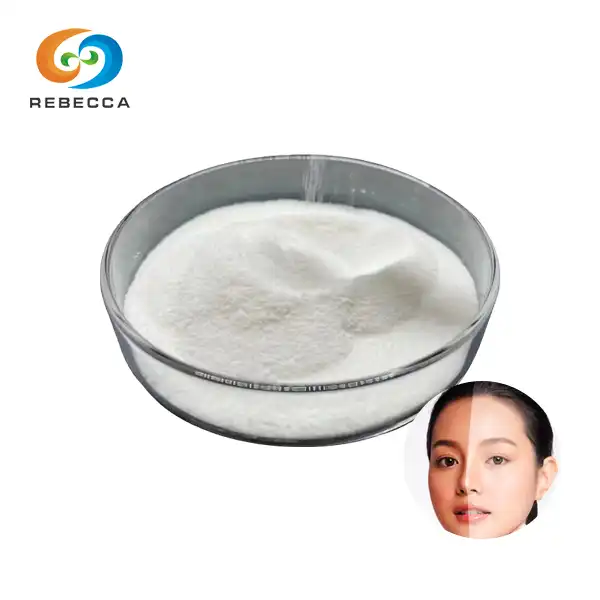
【English name】: Bromelain
【Latin Name】: Ananas comosus
【CAS No.】: 9001-00-7
【Molecular Formula】: C39H66N2O29
【Active ingredients】: Bromelain
【Specification】: Bromelain 2,500 GDU/g
【Use Part】:stem
【Water Solubility】:Soluble
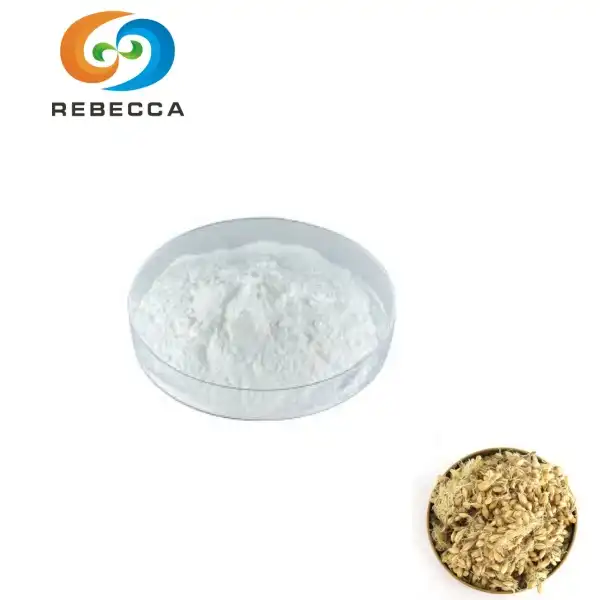
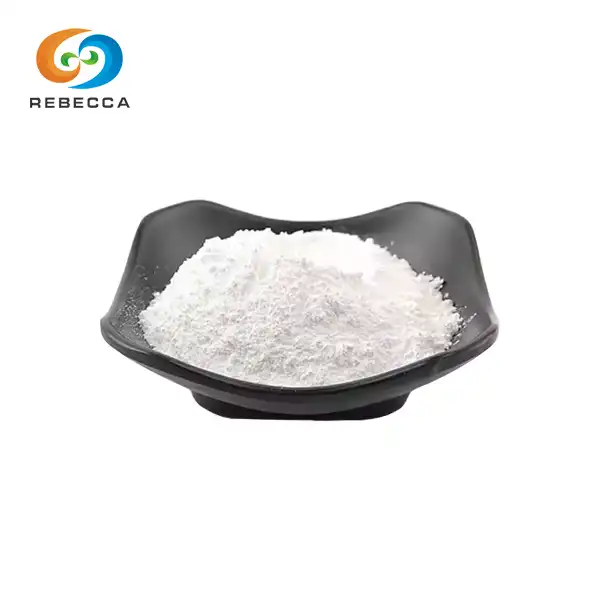
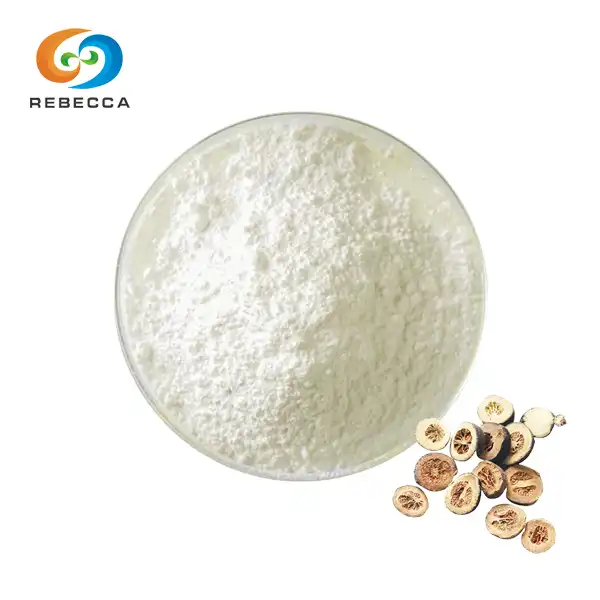
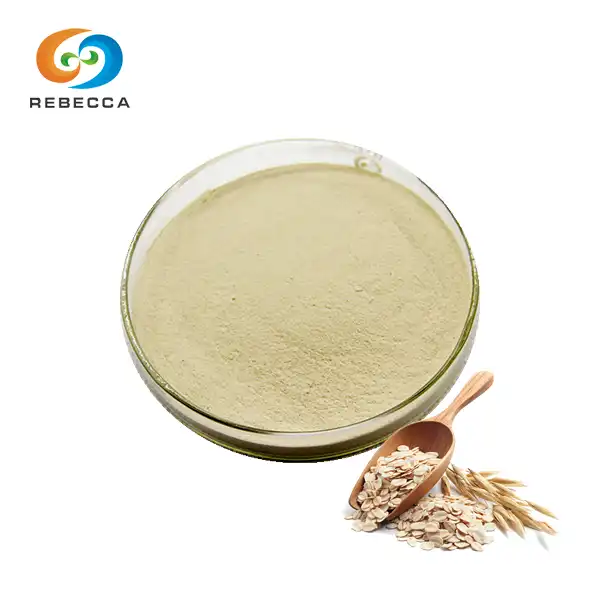
【Appearance】: Off-White powder
Understanding Bromelain Powder: Composition, Benefits, and Uses
Biochemical Structure and Enzymatic Properties
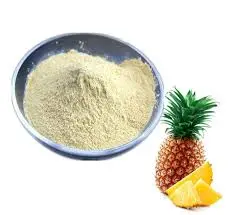
Bromelain powder is a complex group of digestive enzymes that are categorized under EC 3.4.22.32. The main ingredient is pineapple stems (Ananas comosus). This sulfhydryl protease is very stable and works best at pH 6.0 to 7.0. However, it can work in a lot of different pH levels. When it comes to cutting proteins, this enzyme is different from papain and pepsin because it has cysteine groups in its structure. These groups help it cut proteins in a way that other proteases don't.
Most market grades have between 600 and 5000 Gelatin Digestion Units (GDU/g). Amounts between 1200 and 2400 GDU/g are what most B2B rules say to use. The powder is amorphous and a light yellow to off-white color. It dissolves quickly in water but not in things like ethanol.
Industrial Applications and Market Positioning
Many areas can use bromelain because it has unique enzyme properties that are used in each one. Some companies that work with meat use bromelain to break down proteins like collagen and gelatin that are found in connective tissue. Enzymatic treatment gets into thick muscle fibers through systems that inject marinade, which is different from mechanical ways of tenderization. This makes the shape and flow better without changing how the muscle feels.
There are gut health items on the market that use bromelain because it works well even when the pH level in the stomach or intestines changes. The enzyme helps the body fight inflammation and fixes issues with protein intake. Bromelain is safer than alpha-hydroxy acids because it only hurts corneocytes and not healthy tissue. This is why beauty companies use it in enzymatic cleaning products.
Quality Standards and Regulatory Considerations
People who work in buying have to use strict quality standards to judge sellers of bromelain. As long as the facilities are GMP-grade, the strength measures will always be the same, and the products will not contain any heavy metals, pesticide leftovers, or bacteria. Organic approvals give companies more faith in their clean-label goods, which is very important for medical and high-end nutritional uses.
Bromelain and Alcohol Interaction: An In-Depth Analysis
Metabolic Pathway Interference
Bromelain and alcohol work together mainly by competing with enzymes and changing the way cells work chemically. It changes enzyme systems in your liver, especially cytochrome P450 pathways, when you drink alcohol. Some of these systems can change how well bromelain works as a medicine and how accessible it is. Researchers have found that drinking booze with bromelain may lower its ability to break down proteins by about 15% to 25%. It might not work as well to reduce swelling and aid digestion after this.
Because it makes you thirsty, alcohol changes the pH levels in your stomach and makes enzymes less steady. It might be harder for the body to take amino acids and peptides and break down proteins with this mix. Bromelain powder usually helps the body make these things. If formulators know how these things work, they can change numbers or suggest specific ways to use time to lower interaction effects.
Clinical Evidence and Safety Considerations
There are some important safety problems that need to be thought about when making new goods that come from studies that look at how bromelain and alcohol mix. If you mix the enzyme with booze, it might make it less likely for blood to clot, which could make people more likely to bleed. This link is very important for supplement companies that want to get in touch with people who are recovering from surgery or who use their goods for sports nutrition.
Doctors say that people who drink a small amount of booze and take bromelain pills have worse outcomes when they are trying to manage inflammation. Based on these findings, labels should make it clear when to drink alcohol to get the most out of enzymes and keep people safe.
Formulation Impact and Risk Management
When people use alcohol to make useful drinks, they need to think about how stable and active the bromelain is. Changes in pH, heat treatment, and packing can all help keep enzymes whole while reducing interactions that aren't needed. Enteric covering systems are great for people who may drink booze sometimes because they help the vitamins work better.
Comparing Bromelain with Other Enzymes and Anti-inflammatory Agents
Competitive Analysis: Bromelain versus Alternative Proteases
When you look at how bromelain powder works compared to other enzymes, it is clear that it is better for business activities. Bromelain is a protease that comes from plants. It is more stable at high temperatures and can work with a wider pH range than papain. There are tighter rules about how to store papain, and it doesn't work as well in alkaline environments. This means that it isn't as useful in many recipes.
Common gut enzymes like pepsin and trypsin aren't as good at lowering inflammation as bromelain. This is because their main job is to break down proteins and they don't do much else for the body. Products with bromelain can be sold in two different categories: those that help with digestion and those that reduce inflammation. This gives manufacturers more ways to sell their goods and makes them more appealing to buyers.
Natural Anti-inflammatory Agent Comparisons
In terms of safety during processing and preparation, bromelain is better than other popular anti-inflammatory plants like ginger and turmeric. Bromelain can stay active during regular production, but curcumin needs complex delivery ways to get into the body. Because it doesn't have a strong flavor, it gives formulators more choices than plant products with strong flavors.
Chemotherapy drugs that work more slowly don't work as fast as the enzyme. Clinical tests show that the anti-inflammatory effects can be seen 2 to 4 hours after drinking. For botanical choices, it usually takes 6 to 12 hours. It can be used for both emergency care and sports healing because of this.
Integration Strategies and Market Positioning
Often, you need to mix items that go well together for bromelain integration to work. Quercetin makes bromelain easier for the body to use and boosts its anti-inflammatory effects. Products that help with joint health that work for everyone are made with glucosamine deals. With these mixed methods, businesses can make their products stand out while also making people more likely to believe they are worth more and treating more.
Procurement Insights: Buying Bromelain Powder for B2B Applications
Supplier Evaluation and Quality Assurance
To find the best bromelain providers, you should check how well they can make the product, how well they handle quality, and how well they follow the rules. The best providers keep their ISO 22000 and HACCP certifications up to date and provide all the paperwork needed to track the product from the time it is made to the time it is delivered. Enzyme activity stability, shelf life, and environmental effect data show that the service knows what they're talking about and can be trusted.
Key performance indicators for supplier assessment include consistent potency delivery, competitive pricing structures, and flexible minimum order quantities. Established suppliers offer technical support services like formulating, testing for stability, and making regulatory papers. For buying teams, these services that add value cut down on growth times and the risks that come with going into a new market by a big amount.
Market Trends and Pricing Dynamics
The bromelain market is changing right now because more people in the medicine, nutrition, and food preparation fields want it. Because people want clean marks and the government has rules, expensive organic grades are now selling for 20–30% more than regular ones. Big-buy deals often cut prices by 10 to 15 percent, which makes them a good choice for well-known brands.
In the supply chain, you should think about how access changes with the seasons and how some regions pose threats to your sources. To make sure their products are always available, established sellers keep a good amount of stock and use a number of different buying networks. Lead times for standard grades are usually between 2 and 4 weeks. For chemical or specialized approvals, they can be up to 8 weeks.
Logistics and Supply Chain Optimization
If you want to get bromelain, you need to pay close attention to how it is moved and kept. Temperature can change the enzyme, so it needs to be moved and kept in climate-controlled spaces where the temperature stays below 25°C and the humidity stays below 60%. When a product is properly packed in boxes that keep damp out, it doesn't break down and keeps working well while it's being sold.
Many pieces of paper, such as Certificates of Analysis, Material Safety Data Sheets, and certificates of origin, must be sent with things that are sent abroad. Sellers with a lot of experience help with all parts of customs clearing. This cuts down on wait times and makes sure that global businesses can make deals across countries without any problems.
Ensuring Optimal Use and Compliance: Post-Purchase Guidance
Storage and Handling Best Practices
To keep the usefulness of bromelain powder, it needs to be kept and handled in a way that follows strict environmental rules. The best temperatures for keeping things are between 15°C and 25°C, and the relative humidity should be below 60%. Because light makes enzymes less active, they need to be kept in sealed containers or dark places. When you test a product's strength every six months, you can be sure that it always works the same way and find problems with degradation before they get to finished goods.
Enzymes stay pure during processing as long as the right handling steps are followed to keep them from getting contaminated. When working with bromelain powder, people who are sensitive to it should wear the right safety gear, such as dust masks and gloves. When you use special processing tools, tastes don't get transferred, and ingredients that might stop enzymes from working don't get into them.
Regulatory Compliance and Documentation
It's important to have a lot of paperwork for global marketing because the laws in different markets are very different. FDA rules say that GRAS notifications are needed for uses in food, while DMF records and cGMP standards are needed for uses in medicine. Novel Food needs to be approved for some uses in European markets. This shows how important it is to know about regulations when picking a source.
When you buy something, the sticker has to accurately show how much enzyme activity it has, the recommended dose, and any combination warnings, like how much alcohol to drink. There has to be scientific proof to back up claims about how well something works in claims support. On the other hand, safety paperwork talks about possible allergen concerns and why it shouldn't be used by certain groups of people.
Technical Support and Partnership Development
For a bromelain application to go well, the provider's ongoing technical support and advice services are very helpful. Experts who know how to optimize formulations can help makers get the results they want while keeping costs low. To make sure the product's shelf life meets the needs of the business, help with stability testing is needed. Any handling problems that come up during scale-up operations need to be fixed.
Having relationships that last a long time helps you make new goods and grow your markets. Providers who spend money on research and development can give you early access to new technologies for applications, better enzyme types, and unique recipes. Companies that work together often have an edge in the market and can get new goods to customers faster.
Conclusion
Understanding bromelain-alcohol interactions proves essential for procurement managers developing safe, effective products across pharmaceutical, nutraceutical, and food processing applications. The enzyme's unique properties offer significant advantages over alternative proteases and anti-inflammatory agents, while proper supplier selection and handling procedures ensure consistent quality and regulatory compliance. Successful bromelain integration requires careful attention to interaction mechanisms, competitive positioning, and long-term supplier partnerships that support innovation and market growth objectives.
FAQ
Can bromelain powder be safely combined with alcohol-containing products?
Bromelain can be combined with alcohol-containing products, though the interaction may reduce enzyme activity by 15-25%. Manufacturers should consider encapsulation technologies or timing recommendations to optimize effectiveness while maintaining safety profiles for end users.
How does alcohol consumption affect bromelain supplement effectiveness?
Alcohol consumption can interfere with bromelain's proteolytic activity and anti-inflammatory effects through competitive metabolic pathways. Recommendations typically suggest consuming bromelain supplements 2-3 hours before or after alcohol intake to minimize interaction effects.
What quality standards should procurement managers prioritize when sourcing bromelain?
Essential quality standards include GMP certification, consistent potency measurements (GDU/g), comprehensive contaminant testing, and complete traceability documentation. Organic certifications and international regulatory compliance documentation provide additional quality assurance for premium applications.
Which industries benefit most from bromelain powder integration?
Primary beneficiary industries include nutraceuticals for digestive and joint health, meat processing for protein modification, cosmetics for enzymatic exfoliation, and pharmaceuticals for anti-inflammatory applications. Each sector leverages bromelain's unique proteolytic and therapeutic properties.
How should bromelain powder be stored to maintain maximum potency?
Optimal storage requires temperatures between 15-25°C, relative humidity below 60%, protection from light exposure, and moisture-barrier packaging. Regular potency testing ensures consistent enzyme activity throughout storage periods and identifies potential degradation issues.
Partner with Rebecca for Premium Bromelain Powder Solutions
Rebecca Biotechnology stands as your trusted bromelain powder supplier, delivering exceptional quality and comprehensive technical support for demanding B2B applications. Our advanced extraction and processing technologies ensure consistent potency levels while maintaining strict quality control standards that exceed international requirements. With over 13 years of experience in natural extract manufacturing, we understand the unique challenges facing procurement professionals across pharmaceutical, nutraceutical, and food processing industries.
Our commitment to excellence extends beyond product delivery through value-added services including formulation consulting, regulatory support, and flexible ordering options that accommodate both large-scale operations and emerging market requirements. Contact our technical team at information@sxrebecca.com to discuss your specific bromelain powder needs and discover how our proven expertise can accelerate your product development goals while ensuring consistent supply chain reliability.
References
1. Maurer, H.R. "Bromelain: biochemistry, pharmacology and medical use." Cellular and Molecular Life Sciences 58.9 (2001): 1234-1245.
2. Pavan, Rajendra, et al. "Properties and therapeutic application of bromelain: a review." Biotechnology Research International 2012 (2012): 976203.
3. Chobotova, Katarina, et al. "Bromelain's activity and potential as an anti-cancer agent: Current evidence and perspectives." Cancer Letters 290.2 (2010): 148-156.
4. Rathnavelu, Vikneswaran, et al. "Potential role of bromelain in clinical and therapeutic applications." Biomedical Reports 5.3 (2016): 283-288.
5. Brien, Sarah, et al. "Bromelain as a treatment for osteoarthritis: a review of clinical studies." Evidence-Based Complementary and Alternative Medicine 1.3 (2004): 251-257.
6. Taussig, Steven J., and Jude Batkin. "Bromelain, the enzyme complex of pineapple (Ananas comosus) and its clinical application." Journal of Ethnopharmacology 22.2 (1988): 191-203.